Ethanol Fermentation Defoamer: How It Optimizes Molasses-Based Bioethanol Production
What Is Molasses Fermentation and Why Foam Happens?
Molasses, a by-product of sugar refining from sugarcane or sugar beet, is rich in fermentable sugars and widely used as a raw material for ethanol production. Through yeast fermentation, molasses can be efficiently converted into ethanol, serving various sectors such as fuel, industrial chemicals, medicine, and food.

Global Distribution of Molasses-Based Ethanol and Foam Challenges
Top-Producing Regions at a Glance
- Brazil: The world’s largest producer of molasses ethanol, with over 30% of global ethanol output.
- India: Rapidly expanding capacity, driven by the E20 fuel blending policy.
- China: Concentrated in Guangxi and Yunnan, benefiting from ethanol gasoline mandates.
- EU: Relies on sugar beet molasses for medical and industrial ethanol.
- USA: While corn dominates, some Midwest states utilize beet molasses.
- Others: Thailand, Indonesia, Zimbabwe, and Kenya are growing producers.
Key Global Trends in Production
- Cane molasses dominates in tropical/subtropical countries.
- Beet molasses is preferred in temperate zones like the EU.
- In 2023/24, global molasses production is projected at 69.1 million tons, with ~15% for fermentation.
- Developing countries prioritize fuel ethanol, while developed regions focus on higher-value uses.
Market Demand for Ethanol Fermentation Defoamers and Industry Growth
How Big Is the Market?
- 2022 global molasses ethanol market size exceeded several billion USD.
- Forecasted CAGR of 4%-6% from 2025 to 2030.
- China’s market expected to remain stable and policy-driven.

Where Ethanol from Molasses Is Used
- Fuel Ethanol: Largest segment, blended with gasoline (E10, E20, E85).
- Industrial Use: Feedstock for acetic acid, acetaldehyde, etc.
- Medical/Food Grade: High-purity ethanol for disinfectants, solvents, and additives.
- Others: Cosmetics, fragrances, and specialty chemicals.
Leading Companies in the Market
- Global: Raízen, Copersucar (Brazil); ADM, Cargill (USA); Tereos, Südzucker (EU).
- China: COFCO, Nanhua Sugar Group, Yunnan Yingmao.
Key Drivers and Challenges
- Policy Support: Renewable energy targets (e.g., E10 in China, RenovaBio in Brazil).
- Sustainability: Lower carbon emissions align with global decarbonization goals.
- Cost Efficiency: Molasses is a low-cost, abundant by-product.
- Challenges: High COD wastewater, molasses price volatility, and competition from corn/cellulosic ethanol.
Why You Need an Ethanol Fermentation Defoamer in Molasses Processing?
Understanding the Foaming Problem
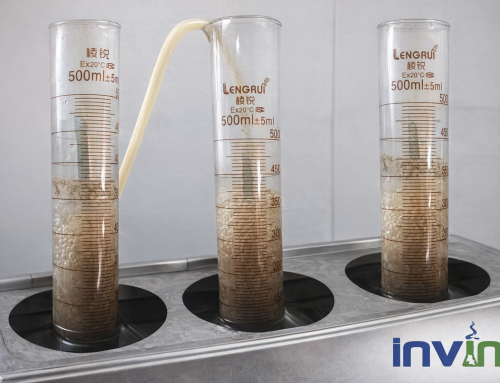
Molasses contains proteins, colloids, and natural surfactants that trap CO₂ during yeast fermentation, forming persistent foam that disrupts fermentation efficiency and safety. While understanding the market is key, solving foam is the immediate challenge. View our specific antifoam solutions for molasses ferment ethanol
The Benefits of Using Antifoaming Agents
- Control foaming: Prevents tank overflow and improves oxygen and nutrient transfer.
- Stabilize productivity: Ensures continuous fermentation and stable ethanol yield.
- Reduce cleaning and contamination risks.
Choosing the Right Antifoaming Agent for Molasses Fermentation
(1) GPE-based Polyether Antifoams (Most Common)
- Glycerol-initiated polyether with adjustable HLB values.
- Long-lasting defoaming, low toxicity to yeast.
- Widely adopted in China, Zimbabwe, Pakistan, and Brazil.
(2) Silicone-based Antifoams
- Polydimethylsiloxane-based, fast-acting and high-temp resistant.
- Common in industrial fuel ethanol plants.
Best Practices for Application
- Dosage: 0.01%–0.1% of fermentation volume, depending on foam intensity.
- Use food-grade antifoams for food/medical ethanol.
- Choose biodegradable or easy-to-treat products to reduce wastewater COD/BOD.
- Tailor antifoam type to molasses origin (cane vs beet).
What’s New in Defoamer Technology?
- Green chemistry: GPE-based and biodegradable plant-derived antifoams.
- Smart dosing: Foam sensors and automatic dosing systems.
- Waste valorization: Anaerobic digestion and membrane separation of spent liquor.
Future Trends in Ethanol Fermentation Defoamer Technology
Technology That’s Shaping the Future
- Enhanced yeast strains for higher sugar-to-ethanol efficiency.
- Eco-friendly, high-performance defoamers.
- Circular economy via advanced waste treatment.
Market Growth Around the World
- Emerging regions like Southeast Asia and Africa gaining momentum.
- Growing demand for high-purity ethanol in pharmaceuticals and cosmetics.
Regulatory & Environmental Drivers
- Carbon neutrality targets accelerate biofuel adoption.
- Tighter wastewater and chemical usage standards.
Choosing the Right Ethanol Fermentation Defoamer
Antifoaming agents are critical to molasses ethanol fermentation, especially in high-foaming conditions.Polyether antifoams have become the industry standard for their safety, effectiveness, and environmental friendliness. As the molasses ethanol market continues to expand globally, investing in green and intelligent defoaming technologies will be key to sustainable, high-efficiency production.
For tailored polyether or silicone-based antifoam solutions for molasses fermentation, click here to visit our website or email us at info@invelydefoamer.com.
Take the next step: Request free samples | Explore our defoamer range
Q&A: Optimizing Molasses Fermentation
Q: Will the defoamer inhibit the activity of Saccharomyces cerevisiae (Yeast)?
Q: Will it cause scaling or fouling in the Distillation Columns? [Image of distillation column fouling]
Q: Molasses foam is very heavy. Can this product handle it?
Q: How does foam control affect my ethanol production capacity?
At INVINO, We turn complex Into Simple! Follow the following 3 steps to start today!
Tell Us What You Need
Tell us as specific as possible of your needs, provide the application what you want to use.
Get Solution & Quote
We will work on the best solution according to your requirements, the specific quote will be provided within 24 hours.
Free sample
Free sample is available on your request once you share your specificate.