Project Description

Defoamer for Fermentation: Solutions for Efficient Fermentation Production

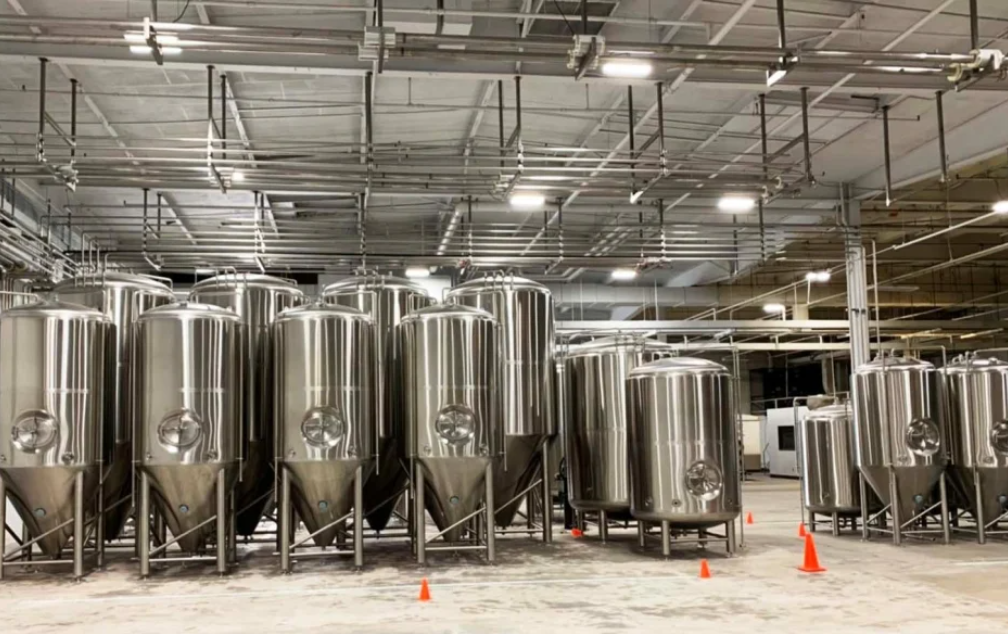
The fermentation industry, encompassing pharmaceutical, biofuels, food & beverage, and more, is a cornerstone of modern bioproduction. However, managing fermentation foam is a persistent and complex challenge. Uncontrolled foam can reduce reactor efficiency, compromise product yield, and create process instability.

Effective foam control using specialized antifoams in fermentation is not just a recommendation—it’s essential for a reliable and profitable operation. INVINO provides a comprehensive range of high-performance fermentation defoamers and technical expertise to meet your specific needs.

GET TECHNICAL GUIDANCE
INVINO antifoam solutions for food and beverage fermentation process
PRODUCT CODE TYPE ACTIVE SOLID (%) APPLICATION
INVINO-4000B Non Silicone 100.0 Molasses ferment ethanol
INVINO-103 Non Silicone 100.0 MSG fermentation , Oxytetracycline, antibiotic fermentation
INVINO-8061 Non Silicone 100.0 Vitamin fermentation, Molasses ferment ethanol
INVINO-103B Non Silicone 100.0 Vitamin fermentation, Molasses ferment ethanol
INVINO-7030D Silicone Emuslion 30.0±1.0 Molasses ferment ethanol

Common Types & Selection Guide

💧

Silicone-Based Defoamers

Often emulsions of polydimethylsiloxane (PDMS) in water. Highly effective at very low concentrations. Widely used as the standard anti foaming agent in fermentation.

[PROS] Excellent knockdown and persistence; stable across wide pH/temperature ranges.
[CONS] Can sometimes cause issues in downstream filtration (silica residues) if not formulated correctly.
INVINO Solution: We offer advanced emulsions designed for minimal downstream impact. Perfect alternatives to traditional products like Antifoam SE-15.
⚗️

Polyol-Based Defoamers (PPG / Copolymer)

Non-silicone organic polymers (like Polypropylene Glycol). Often exhibit superior biological compatibility.

[PROS] Less impactful on downstream processes like cell lysis. Readily metabolized by microorganisms.
[CONS] May require higher dosage rates compared to silicones.
INVINO Solution: Our high-purity Polyether series is ideal for strictly aerobic fermentation (yeast/fungi) where OTR is critical.
🌻

Oil-Based Defoamers (Vegetable/Mineral)

Based on refined oils with added hydrophobic particles. A cost-efficient choice for specific industrial fermentations.

[PROS] Cost-efficient; vegetable oil options are available.
[CONS] Potential negative impact on Oxygen Transfer Rate (OTR).
Expert Tip: Looking for Antifoams for Molasses/Ethanol? Contact us for a custom recipe.

Key Selection Criteria: How to Choose?

Effectiveness at Low Dosage

Crucial for cost control. Minimizes potential downstream impact. We recommend lab testing under simulated process conditions to determine the minimum effective dose.

🦠

Microbial Compatibility

Non-toxic & Non-inhibitory. The agent must not harm your specific microorganisms (bacteria/yeast/fungi) or interfere with their metabolic growth.

🔥

Sterilization Stability (121°C)

Must withstand autoclaving at 121°C, Steam-in-Place (SIP), or sterile filtration without demulsification or degrading into harmful byproducts.

⚖️

Regulatory Compliance

Critical for pharma and food. Must meet FDA 21 CFR, USP/EP, Kosher, or Halal standards. Always specify if you need Food Grade or Pharma Grade.

🛡️

Downstream Processing

Consider the impact on cell harvesting and purification (e.g., membrane filtration, chromatography). INVINO formulations are designed to minimize membrane fouling.

👌

Ease of Handling

Physical properties matter. We optimize viscosity for automatic dosing pumps and ensure excellent dispersibility in the culture medium.

The Impact of Uncontrolled Fermentation Foam

Uncontrolled foam can negatively impact your fermentation process in several critical ways, from reducing working volume and oxygen transfer rates (OTR) to causing contamination risks and process overflows. Effective foam control is essential to mitigate these issues. For a detailed analysis of why foam control is crucial, please read our complete application guide.

INVINO Defoamer for Fermentation

As a leading fermentation system defoamer company and supplier, INVINO offers a variety of antifoam fermentation solutions tailored to different needs. Our product range includes both silicone-based and non-silicone chemistries, available as food-grade or industrial grades, ensuring compliance and performance.

We understand the requirements of fermentation antifoam systems and partner with companies, including those seeking china defoamer for fermentation industry solutions, to optimize their processes.

Our Fermentation Defoamer Applications

Our solutions are designed for the unique demands of various fermentation processes. Explore our specialized solutions below:

🍺 Alcohol & Ethanol Fermentation

We provide robust, high-efficiency antifoams designed for molasses, corn, or grain-based ethanol fermentation. They maintain durable foam suppression at high solid content and high temperatures, ensuring maximum reactor capacity.

Learn More About Molasses & Ethanol Solutions →
💊 Vitamin & Pharmaceutical

Designed for high-value, sensitive processes like Vitamin (e.g., VC, VB12) or antibiotic fermentation. Our food-grade and pharmaceutical-grade defoamers ensure process safety and purity without interfering with microbial metabolism.

View Vitamin Fermentation Solutions →
🧪 Enzyme & Amino Acid

In the production of enzymes (like amylase, protease) and amino acids (like glutamic acid, lysine), protein-based foam can severely impact aeration. Our defoamers offer excellent compatibility without hindering downstream extraction.

Explore Enzyme & Amino Acid Solutions →
🍋 Organic Acids & Biopolymers

Suitable for citric acid, lactic acid, and biopolymers like xanthan gum. The persistent foam in these high-viscosity systems requires special defoamer formulations, and we provide stable, reliable products for the job.

Contact Expert for Organic Acids →

Below are some examples from our range, demonstrating suitability for various fermentation system defoamer applications.

Frequently Asked Questions (FAQ)

Q: Will the defoamer affect the Oxygen Transfer Rate (OTR / KLa)?
This is crucial for aerobic fermentation. While oil-based defoamers can sometimes lower KLa values, INVINO's specialized Polyether series is designed to minimize interference with oxygen transfer. For strictly aerobic cultures (like yeast propagation), we recommend our Non-Silicone Polyol formulations to ensure optimal cell respiration.
Q: Is the defoamer stable during high-temperature sterilization (Autoclave/SIP)?
Yes. Our fermentation-grade defoamers are engineered to withstand standard sterilization cycles (121°C for 20-30 mins) without demulsification. They remain stable in both batch sterilization and continuous sterilization (HTST) systems.
Q: Will the defoamer inhibit the growth of my microbial strain?
No. INVINO products are biologically inert and non-toxic. We use food-grade or pharma-grade raw materials that do not interact with bacterial, yeast, or fungal metabolism. We can provide toxicity data upon request.
Q: Does this product affect downstream membrane filtration (UF/RO)?
Traditional silicone antifoams can cause membrane fouling. However, INVINO offers modified silicone and polyether solutions specifically formulated for easy washout during Ultrafiltration (UF) and Reverse Osmosis (RO) processes, protecting your membrane flux.
Q: Can this defoamer be used as a carbon source by the microorganism?
Vegetable oil-based defoamers might be metabolized. If you need strictly non-metabolizable control (to avoid altering your medium's C/N ratio), we recommend our Synthetic Polyether or Silicone series, which cannot be consumed by microorganisms.
Q: How should I add the defoamer to the fermenter?
You can add it to the basal medium before sterilization (batch addition) or feed it intermittently via a peristaltic pump triggered by a foam sensor (fed-batch). For automatic feeding, please ensure the viscosity matches your pump's capability.


    Request Your Defoamer Solution


    Fill in the form below and our team will recommend the most suitable foam control solution
    for your chemical production.

    At INVINO, We turn complex Into Simple! Follow the following 3 steps to start today!

    • Tell Us What You Need

      Tell us as specific as possible of your needs, provide the application what you want to use.

    • Get Solution & Quote

      We will work on the best solution according to your requirements, the specific quote will be provided within 24 hours.

    • Free sample

      Free sample is available on your request once you share your specificate.