Oil & Gas Defoamer: HTHP Antifoam for Drilling, Separation & Refining

High-performance oil & gas defoamers are critical across upstream, midstream, and downstream operations. From drilling and cementing to separation, amine treating, and refining, foam control protects equipment and keeps throughput high — often under High Temperature, High Pressure (HTHP) and severe chemical conditions. This page helps you select the right grade by process stage. For the full industry overview, see our oil & gas defoamers industry page.
Request a Free SampleDrilling Fluids & Muds
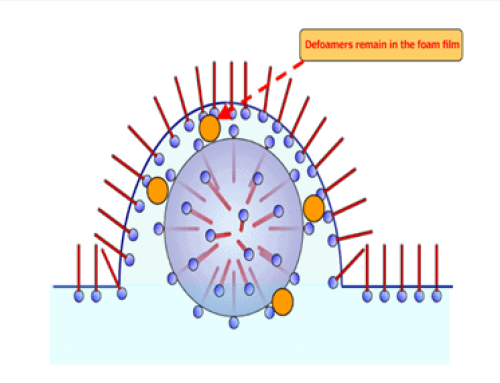
Challenge: Gas influx (CO₂/H₂S) & geological heatIn water- or oil-based muds, foam cuts pump efficiency and risks blowout. Our defoamers stay stable deep downhole without affecting mud rheology.
Lubricity CompatibleMud StableCementing Operations
Challenge: High shear mixing (12,000 rpm)Air bubbles in cement slurry create cavities that weaken the wellbore. Our defoamers withstand extreme shear to ensure high compressive-strength concrete.
Shear StableNo Retardation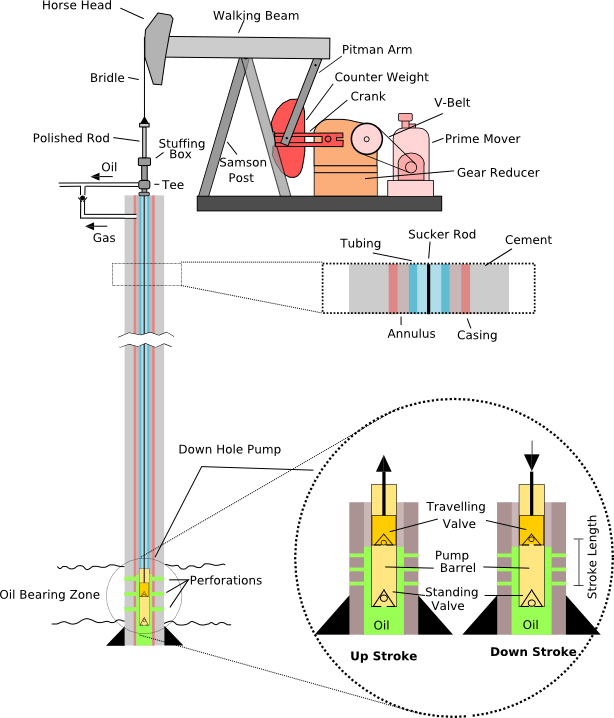
Oil-Gas Separation
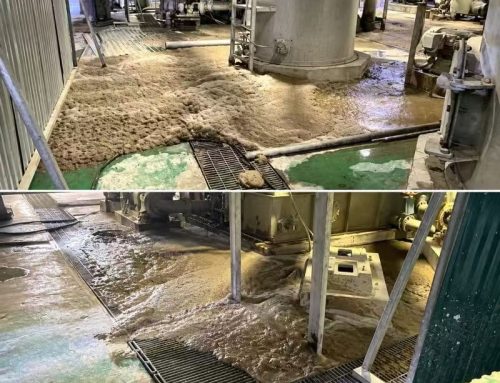
Challenge: Foaming over & crude lossRapid pressure drops cause dissolved gas to expand and foam over. Our agents give instant knockdown to improve separator throughput and measurement accuracy.
Fast KnockdownImprove EfficiencyAmine Units (Desulfurization)
Challenge: Tower floodingAmine units (MDEA/DEA) flood due to hydrocarbon contamination. Our amine-compatible antifoams will not poison downstream catalysts.
Amine CompatibleCatalyst Safe
Delayed Coking
Challenge: Extreme temperatures (490°C+)Foam carryover blocks overhead lines. Our non-silicone solutions survive thermal cracking in the coke drum. See our delayed coking defoamer guide.
Extreme Temp (490°C)Coke Drum SafeStorage & Transportation
Challenge: Pump cavitationPrevent pump cavitation and improve loading efficiency for diesel, lubricants, and heavy crude — fast loading and full tank utilization in transport.
Flow AssurancePump Protection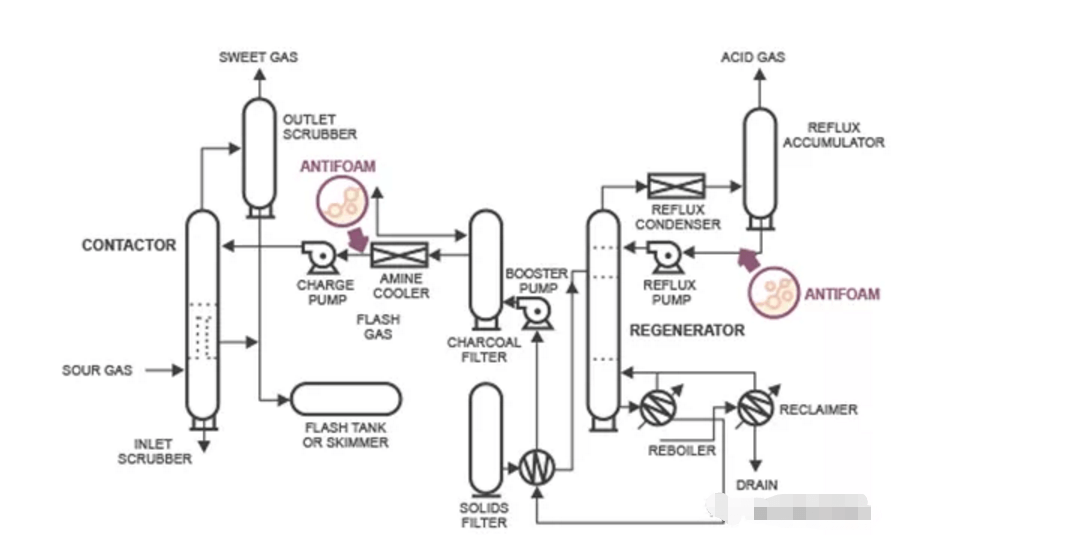
Full Range: Oil & Gas Defoamers
From drilling muds to refinery processing, select the right grade for your operation:
| Product | Chemistry & Solids | Application & Performance | Data Sheet |
|---|---|---|---|
| INVINO-2430 | Silicone Emulsion (Active: 30%) |
Drilling Fluid — standard grade for water-based muds. Excellent dispersibility. | Download TDS |
| INVINO-8081 | Non-Silicone (Active: 100%) |
Cementing Slurry · High Shear Stable — withstands high-speed mixing without entraining air. | Download TDS |
| INVINO-1080 | Silicone (Active: 30%) |
Crude Oil Mining · Condensate — effective for gas-liquid separation at the wellhead. | Download TDS |
| INVINO-8130 | Silicone (Active: 20%) |
Oil & Gas Separation — optimized for fast knockdown in separation vessels. | Download TDS |
| INVINO-1062 | Non-Silicone (Active: 90%) |
Delayed Coking · High Temp Resistance — prevents foam carryover in coke drums at extreme temperatures. | Download TDS |
| INVINO-820C | Silicone Compound (Active: 25%) |
Amine Scrubbing — for alkanolamine desulfurization; will not foul catalysts. A performance alternative to SAG-7133. | Download TDS |
Technical FAQ for Oilfield Foam Control
Q: How do you handle defoamer stability at high temperatures (over 400°C)?
A: For extreme heat such as delayed coking (490°C+), use the non-silicone grade INVINO-1062, designed to survive thermal cracking in the coke drum without foam carryover.
Q: Will the defoamer affect the catalyst in my amine unit?
A: No. INVINO-820C is an amine-compatible silicone compound for MDEA/DEA desulfurization; it controls tower flooding without poisoning or fouling downstream catalysts.
Q: Can your defoamer withstand high-shear mixing in cementing?
A: Yes. INVINO-8081 is a 100% active non-silicone defoamer that withstands high-shear cement mixing (around 12,000 rpm) without entraining air or retarding the set.
Q: Is the drilling defoamer safe for mud rheology?
A: Yes. INVINO-2430 silicone emulsion is lubricity-compatible and mud-stable; it controls gas-influx foam without altering mud rheology.