Defoamers for Cutting Fluid & Metalworking Fluids (MWF)
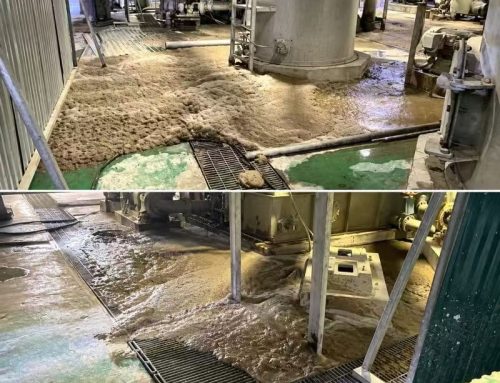
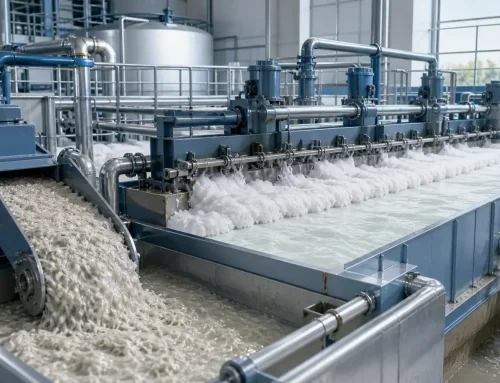
Foam is a persistent challenge in metalworking fluids (MWF), cutting fluids, and coolants. It causes sump overflow, reduces lubrication, triggers pump cavitation, and leaves poor surface finishes on the final parts.
INVINO® provides a complete line of cutting fluid defoamers — silicone, non-silicone, and mineral oil based — for rapid foam knockdown and persistent control. For the metalworking range, see our metalworking fluid defoamers page.
Request a Free Sample
Foam Problems in Machining & Grinding
Uncontrolled foam in metalworking fluids leads to:
- Reduced lubrication & cooling: foam insulates the fluid, so it can't properly cool and lubricate the tool and workpiece.
- Pump cavitation & sump overflow: entrained air damages pumps; surface foam causes costly overflows and a hazardous work area.
- Poor part quality & reduced tool life: poor cooling and lubrication mean rough finishes, inaccurate dimensions, and faster tool wear.
- Higher maintenance cost: foam accelerates fluid degradation and increases biocide usage.
INVINO Defoamer Grades for Metalworking Fluids
Designed for high stability and compatibility with synthetic, semi-synthetic, and mineral oil-based fluids:
INVINO-M780 — High-Performance Metalworking Defoamer
For high-temperature, high-shear systems in ferrous metal processing. Excellent stability and fast-breaking — suitable for synthetic and full-synthetic cutting fluids.
INVINO-M602 — Silicone-Free Water-Based Cutting Fluid Defoamer
Silicone-free, so it avoids problems in later coating and degreasing. Ideal for water-based cutting fluids and grinding coolants.
Industry Case Studies
Case 1: Automotive Parts Manufacturer (INVINO-M780)
Problem: excessive foam in machining affected cooling, raising workpiece temperatures.
Solution: after applying INVINO-M780, foam was reduced by 95% and fluid lifespan rose 30%.
Result: improved efficiency, reduced tool wear.
Case 2: Precision Machining Factory (INVINO-M602)
Problem: foam in water-based cutting fluid triggered machine alarms and shutdowns.
Solution: after adding INVINO-M602, foam dissipated immediately.
Result: machine downtime cut by 80%, better machining quality.
FAQ: Cutting Fluid Defoamer Selection
Q: What defoamer works for synthetic and full-synthetic cutting fluids?
A: Use the silicone grade INVINO-M780 — built for high-temperature, high-shear ferrous processing, fast-breaking and stable in synthetic and full-synthetic fluids.
Q: Is there a silicone-free defoamer for water-based cutting fluids?
A: Yes. INVINO-M602 is silicone-free, so it avoids problems in later coating and degreasing; ideal for water-based cutting fluids and grinding coolants.
Q: Why is foam a problem in metalworking fluids?
A: Foam insulates the fluid (reducing cooling and lubrication), causes pump cavitation and sump overflow, worsens surface finish and tool life, and raises maintenance cost.
Q: Will a silicone defoamer cause coating defects later?
A: If parts are coated or painted after machining, choose silicone-free INVINO-M602 to avoid silicone carryover that can cause fisheyes or adhesion issues downstream.