
Powder Defoamer for Industrial Applications | Chemical Specifications
INVINO® powder defoamers are solid compound silicone anti-foaming agents formulated into a regular free-flowing powder matrix. Our manufacturing process centers on binding localized polydimethylsiloxane (PDMS) fluid networks or structurally modified polysiloxane chains uniformly onto specific high-porosity inorganic carrier frameworks, including chemical precipitated silica, synthetic zeolites, and inert sodium sulfate matrices.
This completely moisture-free solid delivery format minimizes spatial storage hazards, providing precise volumetric metering boundaries and stable dry-blend compatibility inside automated chemical compounding systems. The solid active matter matrix secures continuous chemical stability across wide thermal thresholds and heavy alkaline wet-end environments where conventional liquid emulsion surfactants risk phase separation, creaming, or rapid performance degradation.
Send Your Technical Inquiry
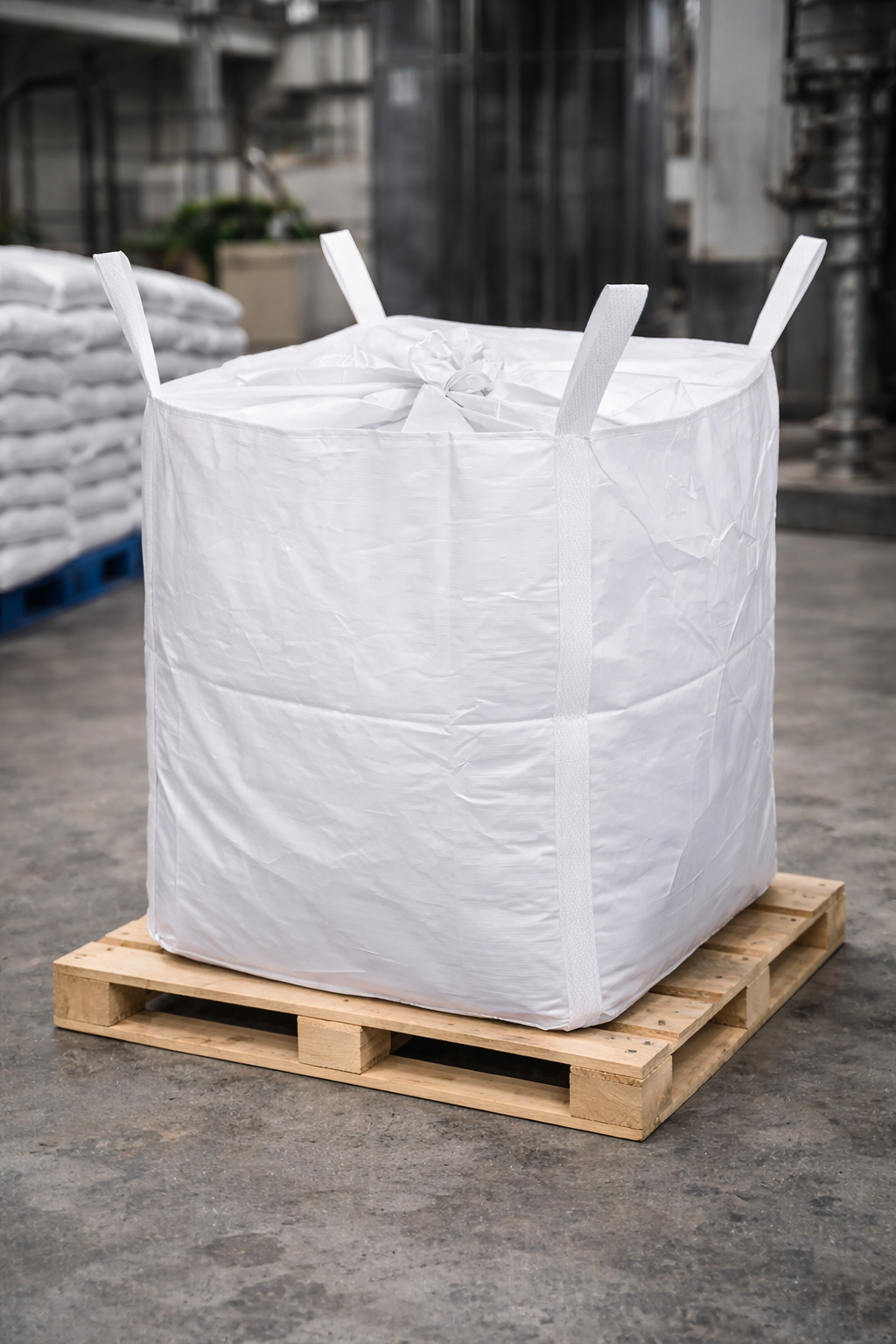
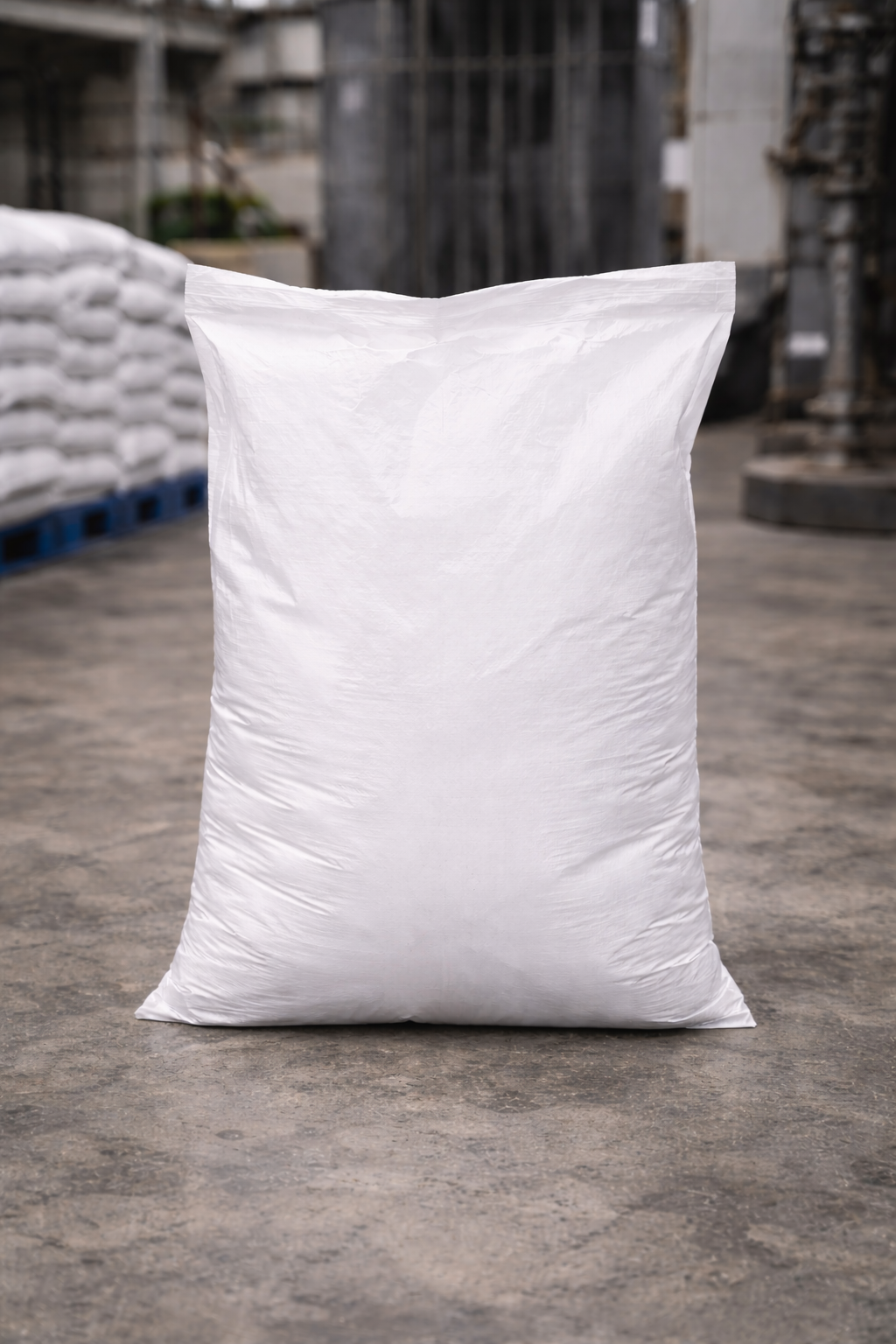
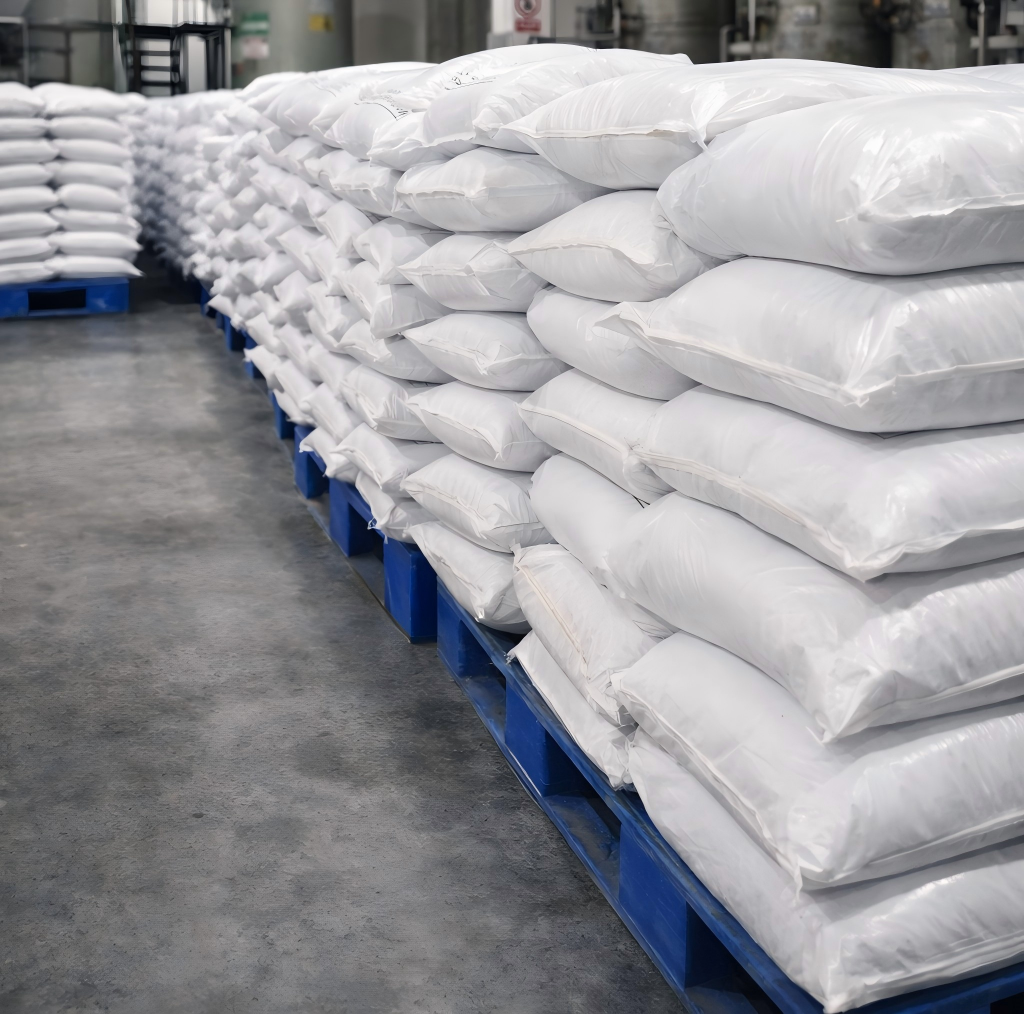
Specifications of Powder Defoamer
| Product Code | Appearance | Active Content (%) | pH | Application Alignment Matrix |
|---|---|---|---|---|
| INVINO-2000 | White free-flowing solid | 20.0-30.0 | 6.0-8.0 | Powder laundry formulations, synthetic solid detergent configurations, and commercial manufacturing washing blocks. |
| INVINO-2501 | White free-flowing solid | 20.0-30.0 | 6.0-8.0 | Dry-mix cementitious mortar binders, self-leveling flooring compounds, and building external insulation grouts. |
| INVINO-2502 | White free-flowing solid | 20.0-30.0 | 6.0-8.0 | Agrochemical suspended formulations, wettable powders (WP), and water-dispersible granules (WDG) processing lines. |
Frequently Asked Questions about Powder Defoamer
How should I integrate the solid powder defoamer?
A: For dry-mix industrial processing systems (including gypsum binders or laundry powders), blend the solid agent directly into the aggregate aggregate components during the uniform dry mixing segment. For liquid processing systems, pre-disperse the chemical powder into an input carrier water volume before injection into system pipelines.
Can it disperse thoroughly in cold water conditions?
A: Yes. The inorganic porous salt compounds chosen as our functional carriers possess high water-solubility thresholds. They dissolve uniformly upon immediate fluid contact during winter construction work, releasing the active silicone chain components evenly without generating chemical clumps or residue screens.
Will the active composition affect concrete compression limits?
A: No. Incorporated within standardized dosing parameters (typically 0.05% to 0.3% total weight fractions), the solid compound selectively deaerates excessive entrained micro-air voids to normalize spatial density variables, preserving optimum hardened structural compression limits.
What are the main industrial application fields?
A: Dry configurations requiring long-term bubble suppression, encompassing dry-mix building materials, cementitious wall tile adhesives, industrial spray-drying formulations, chemical surface descaling operations, and agrochemical granular blending blocks.
How do I prevent moisture caking problems during storage?
A: Store the uncompromised containment bags inside a ventilated warehouse area isolated completely from floor contact lines. Prevent dense mechanical stack load pressure and elevated solar thermal exposure to preserve the free-flowing structural crystal geometry.
Selection & Usage Guidelines
Track active process thermal baselines, system alkaline boundaries, internal mechanical agitation shear, and any dry-mix line limitations when determining your grade selection.
• Factor: Align the underlying composition matrices directly against your dynamic plant parameters.Confirm matrix compatibility with your surfactant packages and solid salt builders. Complete localized bench trials prior to plant addition to eliminate spotting boundaries or component component separation fields.
• Factor: Always monitor the active polymer distribution balance across trial validation lots.Initiate dosage mapping indicators at 0.05% to 0.2% fractions for industrial cleaning blocks; maintain 0.05% to 0.3% parameters for dry-mix concrete binders; evaluate 0.1% to 0.5% levels inside agrochemical granular lots.
• Factor: Optimize consumer baselines via steady micro-addition procedures.