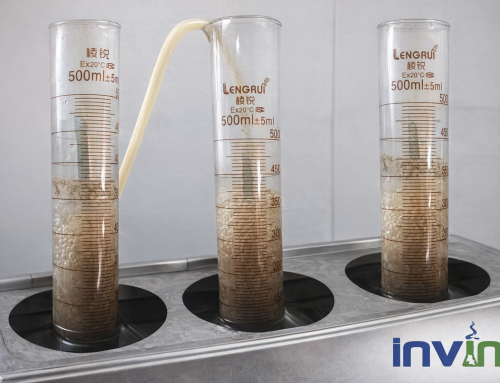
Why Do Emulsion Defoaming Agents Experience Layering? Exploring Factors Beyond Formulation Stability
Emulsion antifoam agents are commonly used to control foam in various applications. However, in certain cases, these agents may exhibit layering behavior, where they separate into distinct layers. While formulation stability plays a significant role, other factors, such as storage conditions, can also contribute to the layering phenomenon. In this article, we will explore these additional factors and their impact on the occurrence of layering in emulsion antifoam agents.

What Caused the Layering in Emulsion Defoaming Agents?
Formulation Stability and Layering
Formulation stability is indeed a crucial factor that can influence the layering of emulsion defoaming agents. Incompatible ingredients or improper emulsification techniques during the formulation process can lead to phase separation and the formation of layers. Achieving the right balance of ingredients and employing effective emulsification methods are key to ensuring stability and preventing layering.
The Role of Storage Environment
Apart from formulation stability, the storage environment plays a significant role in the occurrence of layering in defoaming agents. Factors such as temperature fluctuations, exposure to light, and prolonged storage periods can contribute to the separation of layers. Changes in temperature can affect the viscosity and density of the formulation, causing the defoaming agent to stratify over time. Similarly, exposure to light can lead to photochemical reactions that alter the composition and stability of the emulsion.
How can Prevent Layering in Emulsion Defoaming Agents?
To minimize the risk of layering in emulsion defoaming agents, it is important to consider both formulation stability and storage conditions. Adhering to proper formulation techniques, such as selecting compatible ingredients and employing effective emulsification processes, helps maintain stability. Additionally, storing the antifoam agents in controlled environments with consistent temperatures and minimal exposure to light can significantly reduce the likelihood of layering.
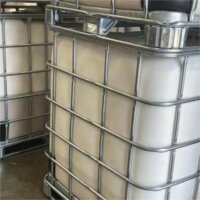
While formulation stability is a primary factor contributing to the layering of emulsion antifoam agents, it is essential to recognize the impact of storage conditions on this phenomenon. By ensuring proper formulation techniques and storing antifoam agents in controlled environments, we can minimize the occurrence of layering and maintain the stability and efficacy of these agents in foam control applications. Understanding the interplay between formulation, storage, and stability is key to optimizing the performance of emulsion antifoam agents.