Silicone vs. Fatty Alcohol Defoamers for Paper Mills
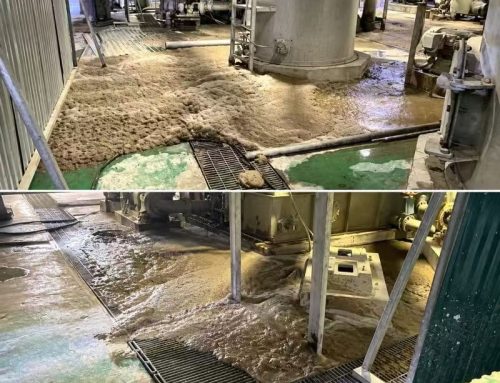
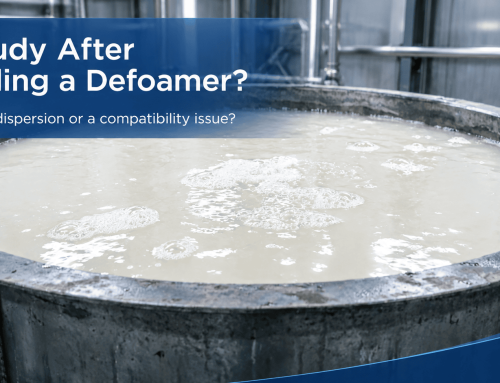
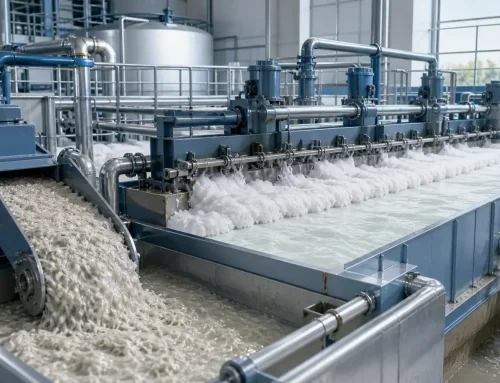
Silicone and fatty-alcohol defoamers should be compared as product formulations, not as universal winners. Screen them at equal active material in representative stock or white water, then compare visible foam, entrained air, drainage, retention, deposits, sizing and sheet quality at the intended addition point.
Use process variables to choose the first candidate
| Selection factor | Silicone formulation: what to check | Fatty-alcohol formulation: what to check | Mill acceptance criterion |
|---|---|---|---|
| Rapid surface-foam knockdown | Dispersion and dose response; avoid assuming low product dose means lower active dose | Initial collapse and rebuild under the same air input | Lowest effective active dose without adverse process effects |
| Entrained micro-air in stock or white water | Air release after repeated shear and recirculation | Ability to detach/coalesce air associated with fines and fillers | Measured gas/air reduction plus stable formation and drainage |
| Sizing, retention and sheet quality | Hydrophobic carryover, deposits, spots and interaction with wet-end additives | Emulsion stability, deposits, sizing and retention response | No unacceptable change in sizing, retention, defects or cleanliness |
| Temperature and changing furnish | Product-specific emulsion stability and persistence over the operating range | Product-specific dispersion and performance over the operating range | Stable ranking across representative grades; no generic temperature guarantee |
| Pulp washing versus paper-machine wet end | Qualify black-liquor/washer service separately from wet-end service | Do not infer washer or evaporation suitability from white-water performance | Application-specific approval at the actual addition point |
What chemistry labels do—and do not—tell you
Silicone-based candidates
Often screened when rapid spreading and knockdown are priorities. Final performance depends on the complete formulation, dispersion, active solids, liquor/stock chemistry, shear and feed point.
Fatty-alcohol candidates
Common in water-based paper applications and frequently considered for wet-end or white-water air control. Their result still depends on emulsion design, temperature, contaminants and the wet-end chemical program.
Five-step comparison protocol
- Define the problem as surface foam, entrained air or both and map the likely air-ingress points.
- Collect representative process water or stock and record furnish, temperature, pH, conductivity, fillers and wet-end additives.
- Normalize candidates by active material and compare initial collapse plus rebuild after repeated shear.
- Measure drainage, retention, formation, deposits, sizing and sheet defects—not foam height alone.
- Confirm the lowest effective dose at one addition point at a time over a representative production window.
Keep the page roles separate
Use this article for chemistry comparison. For commercial grade screening, visit the papermaking white-water defoamer page. Use the dynamic defoamer testing guide when static tests do not transfer to the machine, the pulp washing commercial page for brownstock and black-liquor products, and the industry center for the full mill application map.
Silicone vs fatty-alcohol FAQ
Q: Is silicone always stronger than fatty-alcohol defoamer in a paper mill?
A: No. Some silicone formulations give rapid knockdown at low dosage, but the result depends on dispersion, furnish, contaminants, temperature, shear and addition point. Fatty-alcohol dispersions may be competitive in selected white-water or wet-end systems. Compare actual grades at equal active material.
Q: Is fatty-alcohol defoamer always safer for sizing and deposits?
A: No chemistry is automatically free of sizing, deposit or runnability risk. Check emulsion condition, hydrophobic carryover, deposits, sizing response, retention, drainage and sheet quality under the intended wet-end program.
Q: Which chemistry is better for white-water and entrained-air control?
A: The better candidate depends on whether the main problem is surface foam, dispersed micro-air or both, and on furnish, fillers, dissolved and colloidal substances, temperature and shear. Use a test that measures entrained air as well as visible foam.
Q: Can the same chemistry be used for pulp washing and the paper-machine wet end?
A: It may be possible, but the two environments have different liquor composition, solids, temperature, carryover and sheet-quality constraints. Qualify each application independently and avoid extrapolating from black-liquor performance to white water.
Q: What is the most defensible comparison method?
A: Compare current product grades at equal active dosage in representative process water or stock. Record initial collapse, rebuild, air content, drainage, retention, deposits, sizing and sheet defects, then confirm the lowest effective dose at the intended addition point.
Technical references
- Kemira: Water-based, silicone-based, oil-based and synthetic/ester defoamer categories
- Valmet: Air removal and high-speed forming-section gas content
- US20240173652A1: Long-chain fatty-alcohol emulsion and silicone-use considerations
Prepare a side-by-side mill screening brief
Share the furnish, machine section, foam/air symptom, temperature range, pH, conductivity, wet-end additives, current chemistry and feed point. Use the resulting recommendation as a starting test plan subject to current TDS/SDS and mill approval.