What is a defoamer and deaerator? Understanding Their Differences and Applications
Foam-related issues can significantly impact industrial processes, coatings, and printing inks. Defoamers and deaerators are essential additives that help eliminate foam and prevent air entrapment. But what exactly do they do, and how do they differ?
This guide explores the function, differences, selection criteria, and best practices for choosing the right defoamer and deaerator for industrial applications.
What Is a Defoamer for Industrial Use?
A defoamer for industrial cleaning and coatings is an additive that prevents and eliminates foam during manufacturing and application. It works by destabilizing foam bubbles, causing them to collapse and disperse.
Why Use a Defoamer?
Foam is an unwanted byproduct in many industries. It can:
✔ Disrupt production efficiency by reducing tank capacity and slowing processes
✔ Cause defects in coatings, printing inks, and adhesives
✔ Lead to increased material waste and downtime
A high-quality defoamer ensures smooth operations by rapidly eliminating unwanted foam.
What Is a Deaerator?
A deaerator prevents air bubbles from getting trapped within coatings, paints, and other formulations. Unlike defoamers that eliminate foam on the surface, deaerators target microfoam and air occlusions inside a material.
Why Use a Deaerator?
Entrapped air can cause defects such as:
✔ Pinholes – Tiny holes in dried coatings
✔ Surface irregularities – Uneven textures and loss of gloss
✔ Weak film integrity – Reduced performance of coatings and adhesives
By removing finely dispersed air, a deaerator ensures a smooth, defect-free finish.
Defoamer vs. Deaerator – What’s the Difference?
| Feature | Defoamer | Deaerator |
|---|---|---|
| Function | Eliminates macrofoam (visible foam) | Removes microfoam (entrapped air bubbles) |
| Application | Coatings, printing inks, adhesives, industrial cleaning | Paints, high-viscosity coatings, resin-based formulations |
| Action | Destabilizes foam bubbles on the surface | Prevents air entrapment and pinholes |
Most defoamers also exhibit some deaeration properties, and vice versa. However, choosing the right additive depends on the specific formulation and application.
How to Choose the Right Defoamer or Deaerator?
Selecting the best defoamer for industrial cleaning or coatings requires considering:
1. Compatibility
A defoamer must be insoluble in the formulation to work effectively. However, it should also be compatible enough to avoid surface defects like craters, turbidity, or gloss reduction.
Key tip: Always balance defoaming performance and formulation compatibility to prevent unwanted side effects.
2. Microfoam vs. Macrofoam
✔ Use a defoamer to eliminate visible (macro) foam on the surface.
✔ Use a deaerator to remove tiny, entrapped air bubbles (microfoam).
3. Production Process Considerations
✔ Defoamer emulsions (pre-formed droplets) require low stirring intensity and are suitable for post-production addition.
✔ Defoamer concentrates need high-shear mixing to distribute the active agent evenly.
✔ Deaerators can be added during the mill-base or letdown stage, depending on their compatibility with the formulation.
4. Viscosity of the Coating
✔ High-viscosity formulations trap air bubbles more easily.
✔ As viscosity increases during drying, air bubbles may get trapped, leading to surface defects.
✔ Use a deaerator for high-viscosity coatings to prevent pinholes and air occlusion.
5. Environmental and Regulatory Compliance
✔ Choose VOC-compliant and APEO-free defoamers for environmentally friendly formulations.
✔ Ensure compliance with industry regulations for coatings, adhesives, and printing inks.
How to Test and Optimize Defoamer Performance?
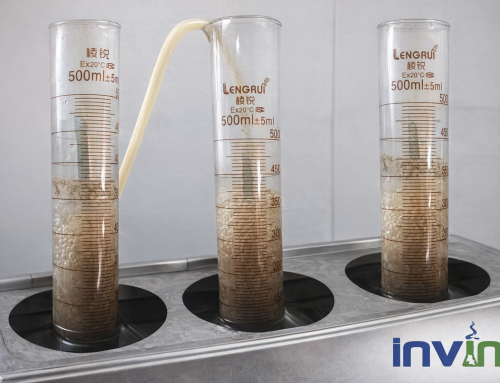
Before using a defoamer or deaerator, lab testing ensures effectiveness and prevents formulation defects. Common test methods include:
1. Stir Tests
A fast-running stirrer introduces air into the formulation. The amount of foam produced helps compare different defoamers.
2. Flow Tests
The foamed formulation is poured onto a surface, and the defoamer’s effectiveness is evaluated by the foam reduction and surface smoothness after drying.
3. Roller Tests
Paint is applied with a roller, and the amount of foam formation is observed. Surface defects such as craters and pinholes are checked after drying.
4. Film Defect Analysis
After applying the coating, look for:
✔ Craters – Indicate defoamer incompatibility
✔ Gloss reduction – Caused by excessive defoamer use
✔ Pinholes – Suggest the need for a deaerator