Why Foam Increases in Papermaking: Air, Additives & Recycled Fiber
INVINO technical guide · October 23, 2026
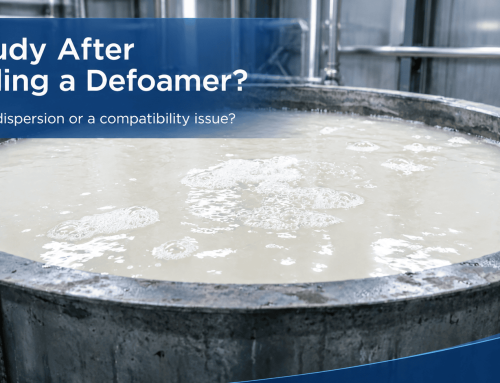
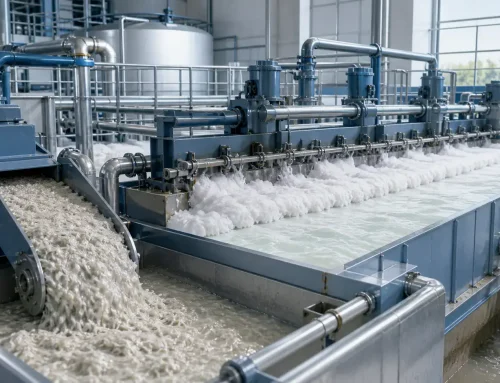
Why does foam suddenly increase in papermaking? Check both the supply of air and the conditions that keep bubbles stable. Changes in chest levels, pumps or pipework may introduce more air; changes in wet-end additives, recycled furnish or water reuse may make that air harder to release. Verify actual defoamer delivery before increasing dosage, then compare chemistry only against the changed process conditions.
A recent INVINO LinkedIn discussion began with a practical question: What changed in the wet-end system? The responses added an equally important reminder: a chemical treatment cannot repair a mechanical source of air. Both points belong in the same troubleshooting plan.
This guide turns that discussion into a diagnostic sequence for unwanted foam in stock preparation, white-water circuits and the paper-machine wet end. It does not assume that every foam incident has the same cause.
1. Find where air enters before blaming the defoamer
Surface foam, entrained air and dissolved gas are different observations. A quieter surface does not establish that the stock is adequately deaerated. NC State's wet-end chemistry guide identifies leaking pump seals and agitation among the mechanical contributors to air problems, alongside chemical foam stabilizers. Read the NC State troubleshooting guide.
Start with the mill's operating and maintenance records. The following is a practical investigation checklist, not a diagnosis from foam appearance alone. Equipment adjustments should follow the mill's procedures and the equipment supplier's operating limits.
| What changed? | What to inspect or record | Useful comparison |
|---|---|---|
| Chest or tank level | Level trend, low-level events and visible vortexing near suction points | Does the foam event coincide with a level or flow change? |
| Pump operation or maintenance | Suction-side connections, seal condition, flow and pressure fluctuations | Compare the onset with pump starts, maintenance or a new operating point. |
| Pipework, return flow or agitation | New routing, splashing returns, open falls and mixing changes | Identify the first location where the flow becomes visibly aerated. |
| Air-removal equipment | Deaerator availability and operating records, where installed | Compare with the last stable run rather than relying only on surface foam. |
| Defoamer feed system | Actual delivered flow, tank supply, feed line and injection point | Verify delivery instead of assuming that the pump setpoint equals the dose. |
Mechanical deaeration can be part of the solution. Valmet describes passive air removal from wire water and active vacuum treatment of stock or wire water; the appropriate arrangement depends on the machine and process. Valmet: deaeration.
2. Ask what changed in the additives and furnish
Once air entry has been checked, compare the present chemical program with the last stable period. Kemira notes that closed water systems and new additives can increase foaming potential in pulp and papermaking processes. Kemira: foam and entrained-air control.
Wet-end additives: check the actual formulation and dose
Review changes in PAM-based dry-strength products, retention aids, surfactants, sizing chemistry and other wet-end treatments. Record product identity, concentration, make-down, addition point and actual dose. A higher PAM dose is a clue to investigate, not proof that PAM caused the foam. The supplied formulation, interactions and retention conditions matter; different products should not be treated as interchangeable.
Build a simple timeline: when did the additive change, when did the foam begin, and what else changed at the same time? Where practical, use an approved controlled comparison rather than altering several chemicals together.
Recycled fiber and deinking: the feedstock may have changed too
A higher recycled-fiber proportion, a different recovered-paper source or more coated broke can change the material entering the circuit. Review potential changes in:
- Surfactants and deinking-chemical carryover;
- Ink and coating residues;
- Adhesives and stickies;
- Dissolved and colloidal contaminants;
- Fiber fines and suspended solids.
These materials are not all surfactants, and their presence does not by itself prove foam stabilization. Treat the list as a sampling and comparison plan. Compare representative stock and white water from stable and problem periods when samples are available, and record changes in water reuse as well as furnish.
For process-specific checks, see our deinking and recycled-fiber foam-control guide, which separates flotation froth, reject-tank overflow and downstream entrained air.
3. Identify the process location: flotation is a special case
Useful flotation froth and unwanted white-water foam require different objectives. In flotation deinking, air bubbles carry ink and other removable material out of the recovered-paper suspension. Voith describes this separation function and the subsequent deaeration of the rejected foam stream. Voith: flotation deinking and foam deaeration.
Do not use “the lowest foam height” as the only success criterion inside a flotation cell. Agree with the process team which stream needs treatment, then monitor ink removal, brightness, reject behavior and fiber loss as relevant. Uncontrolled overflow from a reject tank is a different target from the froth required inside the separation stage.
For a white-water tank or wet-end circuit, define whether the priority is surface-foam suppression, release of entrained air, or both. Use the papermaking defoamer and white-water selection guide to connect that objective with a trial shortlist.

4. When is a different defoamer worth screening?
A fatty-alcohol-based defoamer that previously performed well may need reassessment after a substantial furnish or chemical-program change. That does not make fatty-alcohol chemistry unsuitable for recycled fiber, nor does it establish that a polyether-based defoamer will perform better.
Polyether chemistry is a screening option, not an automatic upgrade. Compare the existing grade with application-appropriate alternatives in representative process liquid. Use the current grade-level TDS to check temperature suitability, handling, dilution and addition requirements. Avoid transferring a dose or product ranking from another mill.
Separate three questions in the evaluation:
- Does it reduce the visible foam? Record initial knockdown and recurrence.
- Does it address the air problem? Use a consistent entrained-air measurement method where this is the target.
- Does the process remain acceptable? Watch drainage, retention, deposits, sizing response and sheet quality as applicable.
Our antifoam performance testing guide explains controlled screening and pilot confirmation. A successful bottle test is a shortlist result; the mill trial still has to confirm compatibility.
5. Record enough to distinguish cause from coincidence
Before the next trial, put the following on one sheet:
- Where and when: the first affected vessel or stream, start time and pattern during the shift;
- What changed: chest levels, maintenance, flow, furnish source, recycled-fiber ratio, water reuse and additives;
- Current treatment: grade, actual feed rate, dose basis, dilution and injection point;
- Process conditions: temperature, pH and consistency, plus conductivity or air-content results if available;
- Acceptance limits: the foam or air objective and the downstream quality measures that must remain stable.
Then change one agreed variable at a time and compare against the baseline. Keep photos tied to a sampling point and timestamp. This makes the record useful even when the first hypothesis is wrong.
Common questions
Does more foam mean there is not enough defoamer?
No. First check air entry, actual chemical delivery and changes in the wet-end system. A higher dose may suppress the visible symptom without resolving what changed.
Can wet-end additives contribute to foam?
Yes, depending on formulation and process conditions. Review the timing, dose and interactions of the specific product rather than assuming that every PAM or retention-aid change has the same effect.
Should recycled-fiber mills always switch to polyether defoamers?
No. Recycled content alone is not a selection rule. Screen suitable fatty-alcohol and polyether grades against the actual foam, air-release and paper-quality objectives.
Can the cause be identified from a foam photograph?
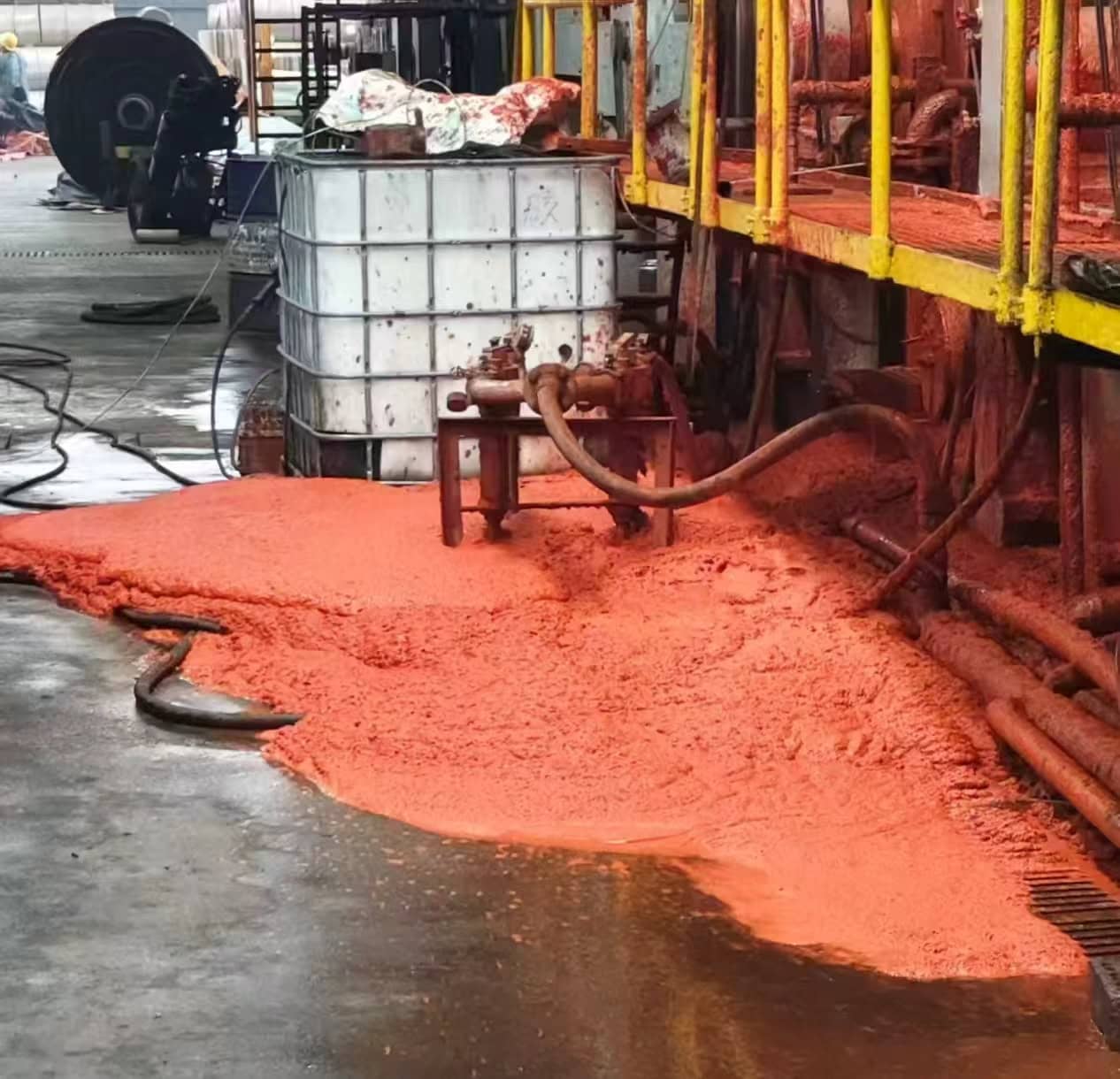
A photograph shows location and appearance, but it cannot establish air content, chemistry or root cause. Pair it with operating trends, recent changes and process-liquid testing.
Discuss your papermaking foam problem
Start with the process location, the foam problem and what changed recently. Add the current defoamer, furnish, temperature or pH if known. INVINO can review the information and discuss candidate grades and trial conditions. Sample availability, costs and delivery arrangements are confirmed for the selected grade and destination.
Discuss My Papermaking ApplicationThe first question is not simply “Which defoamer is stronger?” It is “What changed, and where is the air coming from?” Correcting the source and matching the chemical treatment are complementary parts of foam control.