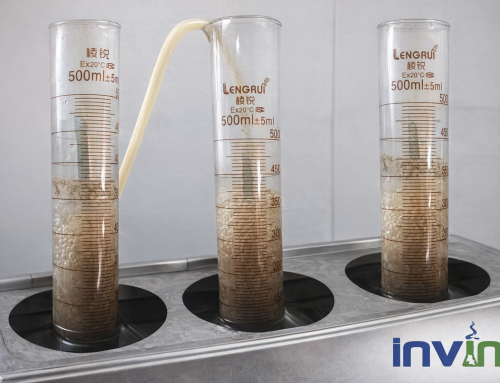
NPK Fertilizer Defoamer Guide: Best Foam Control Solutions for Slurry Granulation
Why You Need an Effective NPK Fertilizer Defoamer in Slurry Granulation?
The production of NPK compound fertilizer—which combines nitrogen (N), phosphorus (P), and potassium (K)—primarily relies on the slurry granulation process. While this process offers high output and automation, it also comes with a critical challenge: excessive foam generation during several key stages. Without an effective NPK fertilizer defoamer, foam can cause:
-
Blockages in equipment
-
Inconsistent granulation quality
-
Loss of active ingredients
-
Increased downtime and maintenance costs
An efficient defoaming solution not only enhances production stability but also improves the overall quality of NPK fertilizers.

Foam Generation Stages in NPK Fertilizer Production
Foam occurs at different points in the slurry granulation process, often triggered by chemical reactions or mechanical agitation. Below is a breakdown of each critical stage where foam is likely to appear:
| Stage | Foam Source | Foam Characteristics |
|---|---|---|
| Neutralization reaction | Ammonia reacting with phosphoric acid + CO₂ | Acidic, high-temp, dense and sticky foam |
| Slurry granulation | High-speed spraying and agitation | Explosive, short-lived foam |
| Mixing/agitation | Surfactants or impurities in raw materials | Moderate but persistent foam |
| Drying/cooling | Vapor release with traces of surfactants | Usually negligible |
How to Choose the Right NPK Fertilizer Defoamer?
Selecting the proper NPK fertilizer defoamer depends on the foam’s origin, system pH, temperature, and the required duration of foam suppression.
Neutralization Stage
-
Conditions: pH < 4, 70–110°C, exothermic reaction
-
Foam Problem: Rapid gas release + thick foam layer
-
Recommended Defoamer:
-
Polyether-based defoamer: Excellent thermal and acid resistance, stable performance.
-
Avoid standard silicone emulsions: Prone to hydrolysis in acidic environments.
-
Modified silicones: Workable but expensive.
-
Slurry Granulation Stage
-
Conditions: Intense agitation, neutral pH, short residence time
-
Foam Problem: Burst foaming on impact zones
-
Recommended Defoamer:
-
Polyether-modified silicone emulsions: Fast defoaming, excellent dispersibility.
-
High-efficiency silicone emulsions: Good for instant foam knockdown.
-
Mixing & Auxiliary Stages
-
Conditions: Mild agitation, neutral pH
-
Foam Problem: Long-lasting, low-density foam
-
Recommended Defoamer:
-
Polyether defoamer with mineral oil: Prolonged foam suppression.
-
Minor silicone content: Helps handle unexpected foaming spikes.
-
Polyether vs. Silicone Defoamer for NPK Fertilizer Plants
Choosing between polyether and silicone types depends on your specific process stage. Here’s a performance comparison to guide your selection:
| Criteria | Polyether Defoamer | Silicone Defoamer |
|---|---|---|
| Acid resistance | Strong | Weak (unless modified) |
| Thermal stability | High | Very high |
| Long-term suppression | Excellent | Moderate |
| Instant defoaming | Moderate | Excellent |
| Compatibility | High | Risk of oil separation |
| Cost-effectiveness | Balanced | Higher cost |
Best practice: Use polyether defoamer as the main agent throughout the process and supplement with silicone-based options during high-foam shock points such as spraying.
Recommended Formula for Custom NPK Fertilizer Defoamer
A successful defoamer product for NPK fertilizer production must meet a wide range of requirements, including pH tolerance, thermal stability, and non-reactivity.
Suggested Composition
-
Base material: EO/PO block polyether
-
Additives: Fatty alcohols and a small amount of modified silicone
-
Emulsifier system: Non-ionic for high water dispersibility
Ideal Specifications
-
Appearance: White or light yellow emulsion
-
Active content: 20–30%
-
pH compatibility: 3–9
-
Temperature range: 60–110°C
-
System compatibility: Non-reactive, no residue, no oil floating
Conclusion: Optimize Foam Control in NPK Production with the Right Defoamer
Foam is an unavoidable issue in NPK fertilizer slurry granulation, but it doesn’t have to compromise your efficiency. By selecting the right NPK fertilizer defoamer—especially polyether-based systems—you can maintain consistent operations, protect your equipment, and deliver high-quality fertilizer to the market.
At INVINO, we specialize in developing high-performance defoamers for fertilizer production. Contact our technical team to get personalized solutions tailored to your process conditions.