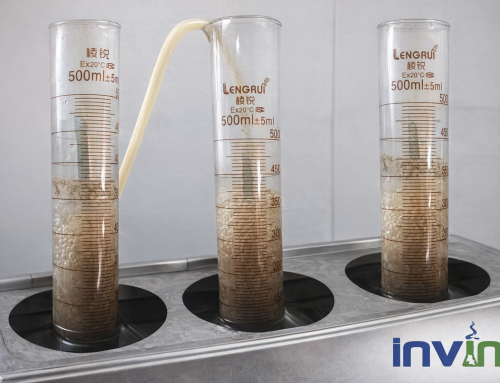
Selecting the Right Defoamer for Coal Washing Industry Operations

Coal washing, or coal preparation, is a vital process for improving coal quality and usability. However, foam generation, particularly during froth flotation and slurry handling stages, is a significant challenge in the coal washing industry. This foam can reduce separation efficiency, lower clean coal yield, impede dewatering processes, cause overflows, and increase operational costs. Utilizing an effective coal washing defoamer is essential for maintaining productivity and maximizing resource recovery. This guide from INVINO explores the causes and hazards of foam in coal preparation and provides key insights into selecting the optimal antifoam for coal preparation.
Causes of Foam in Coal Washing Processes
Understanding why foam occurs is the first step in foam control coal washing:
- Flotation Reagents: Frothers and collectors used in froth flotation are inherently surface-active and designed to create a stable froth, which can become excessive or difficult to manage.
- Fine Coal Particles & Clays: Fine solids can stabilize foam bubbles, making them more persistent.
- Gas Generation: Entrained air during agitation or gas release from the coal itself.
- Mechanical Agitation: High shear mixing in flotation cells, pumps, and thickeners.
- Water Quality: Recycled process water may contain accumulated surfactants or organic matter.
Hazards of Uncontrolled Foam in Coal Preparation
Excessive or poorly controlled foam leads to significant operational issues:
- Reduced Coal Flotation Efficiency: Lowers clean coal yield and quality due to gangue entrainment in excessive froth.
- Overflow & Material Loss: Loss of valuable coal fines and reagents through tank or launder overflows.
- Equipment & Process Issues: Pump cavitation, screen blinding, inaccurate density/level measurements, poor performance in thickeners (coal thickening defoamer need).
- Environmental & Safety Concerns: Slurry spills and potential difficulties in meeting water discharge regulations.
Key Characteristics of High-Performance Coal Washing Defoamers
An ideal defoamer for this industry should possess:
- High Efficiency at Low Dosage: Effectively controls foam with minimal addition for cost-effectiveness.
- Good Dispersion & Compatibility: Easily disperses in coal slurry and is compatible with flotation reagents and process water chemistry.
- Stability: Maintains performance under varying temperature, pH, and high shear conditions found in coal preparation plants.
- Wide Applicability: Suitable for different coal types and process stages.
- Environmentally Considerations: Low toxicity and good biodegradability where required.
Application Points for Defoamers in Coal Washing
Defoamers can be strategically applied at different points:
Flotation Process: Added to feed or within cells to manage froth stability (coal flotation defoamer).
Tailings Treatment: Used in thickeners to improve settling and dewatering (coal slurry defoamer).
Wastewater Treatment: Controls foam in water clarification and discharge systems (coal wastewater defoamer).
How to Choose the Right Defoamer for Coal Washing?
Selecting the optimal antifoam for coal preparation involves:
- Considering Defoamer Type: Common types include non-ionic surfactants, modified silicones (used cautiously due to potential impact on flotation), and polyether defoamers (often a preferred non-silicone defoamer coal option for compatibility and efficiency).
- Compatibility Testing: Essential to ensure the defoamer doesn’t interfere with flotation reagents (frothers, collectors) or depressants.
- Performance Evaluation: Conducting lab or plant trials to assess both foam knockdown speed and suppression persistence under simulated or actual process conditions.
- Dosage Optimization: Determining the lowest effective dose.
- Cost-Effectiveness Analysis: Considering price versus performance.
INVINO Solutions for the Coal Washing Industry
INVINO offers a range of industrial antifoams suitable for the demanding coal washing industry.
Specialized Products: We provide effective coal washing defoamers, including robust non-silicone options designed for compatibility with froth flotation processes and effectiveness in controlling coal slurry foam.
Technical Support: Our experts can help analyze your foaming issues and recommend the best defoamer solution.
Reliable Supplier: As a potential factory source, we ensure quality and reliable supply.
Effective foam control coal washing operations rely on the careful selection and application of high-performance defoamers. By understanding the causes and consequences of foam, and choosing a compatible, stable, and efficient antifoam, coal preparation plants can significantly improve yield, quality, and overall operational efficiency. INVINO is committed to providing effective coal washing defoamer solutions and expert support.