Defoamer for Photovoltaic Glass: The Secret to Boosting Efficiency & Cutting Costs

The solar energy industry is experiencing explosive growth, and photovoltaic (PV) glass—a critical component of solar panels—is in high demand. China dominates this market, producing over 90% of the world’s PV glass. With rising demand for double-glass modules and expanding solar installations, manufacturers face pressure to optimize production. One often-overlooked solution? Defoamer for photovoltaic glass. This article explains why this additive is essential for quality, efficiency, and cost control—and how it works.
Why Use a Defoamer for Photovoltaic Glass Production?
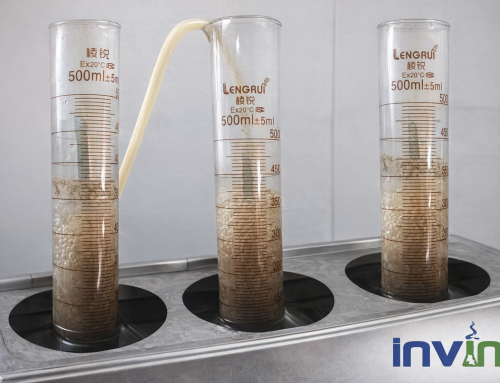
Foam formation is a common challenge during PV glass manufacturing. From raw material mixing to melting and molding, bubbles can disrupt processes and compromise product integrity. Here’s why foam control matters:
Quality Assurance: Bubbles trapped in glass reduce transparency and structural strength, directly impacting solar panel efficiency.
Quality Assurance: Bubbles trapped in glass reduce transparency and structural strength, directly impacting solar panel efficiency.
Production Efficiency: Foam slows down melting, increases energy consumption, and risks equipment damage.
A specialized defoamer for photovoltaic glass tackles these issues head-on.
How Does a Photovoltaic Glass Defoamer Work?
Defoamers are engineered to destabilize foam through chemical action. Here’s the science simplified:
- Dual-Action Molecules: Defoamers contain both hydrophilic (water-attracting) and hydrophobic (water-repelling) components.
- Surface Tension Reduction: When added to molten glass, the defoamer spreads across bubble surfaces. The hydrophobic parts penetrate bubbles, while hydrophilic parts anchor to the liquid phase. This imbalance collapses bubbles rapidly.
- Long-Term Stability: High-quality defoamers like INVINO-G052 also suppress new foam formation, ensuring continuous production.
Key Benefits of Using a Defoamer for Photovoltaic Glass
- Enhanced Product Quality
By eliminating bubbles, defoamers improve glass clarity and mechanical strength. This translates to higher light transmittance in solar panels—a critical factor for energy conversion rates.
2. Increased Production Capacity
Foam layers insulate molten glass, forcing窑炉s to work harder and consume more energy. Defoamers reduce foam coverage, accelerating melting and boosting throughput by up to 10%.
3. Lower Operational Costs
- Energy Savings: Reduced foam means lower kilns temperatures, cutting fuel costs by 5–8%.
- Extended Equipment Life: Less thermal stress on kilns slows corrosion, delaying costly repairs.
- Waste Reduction: Fewer defects mean lower scrap rates and material savings.
For example, INVINO-G052 defoamer reduces glass melt unit consumption by 3–5% without increasing raw material input.
Choosing the Right Defoamer for Photovoltaic Glass
Not all defoamers are equal. Key properties to prioritize:
- High-Temperature Stability: Must withstand furnace temperatures exceeding 1,500°C.
- Rapid Action: Fast foam collapse without residue.
- Eco-Compatibility: Non-toxic and compliant with industry regulations.
How to Integrate Defoamers into Your Production Process?
Adding a defoamer is straightforward but requires precision:
- Dosage Optimization: Start with 0.1–0.5% of the batch weight, adjusting based on foam levels.
- Mixing Protocol: Ensure even distribution during raw material preparation.
- Monitoring: Track kilns temperature and foam reduction to fine-tune usage.
The Future of PV Glass Production: Smart Defoaming Solutions
As the industry shifts toward thinner, larger glass formats, foam control becomes even more critical. Innovations like nano-enhanced defoamers and IoT-based kilns monitoring will redefine efficiency standards.
A defoamer for photovoltaic glass isn’t just an additive—it’s a strategic tool for staying competitive. By eliminating foam-related bottlenecks, manufacturers can achieve higher yields, lower costs, and superior product quality. Ready to transform your production?