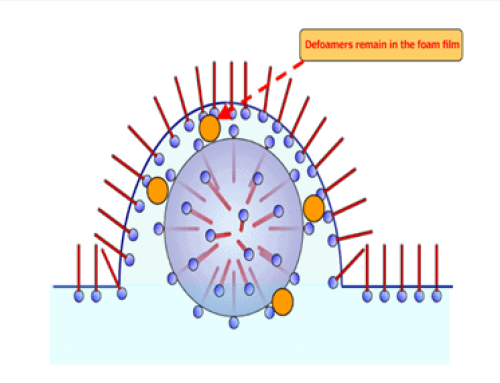
Copper Leaching Defoamer: Expert Foam Control Solutions for Hydrometallurgy
Direct Answer
A copper-leaching defoamer should suppress persistent foam in acidic leach and solution-handling circuits without reducing copper extraction or disrupting downstream solvent extraction and electrowinning. Choose a low-dose product that remains stable in the actual acid, electrolyte, temperature and solids conditions, and verify that it does not slow phase disengagement, increase crud or organic carryover, or affect cathode quality. Test in real process solution and monitor foam, copper recovery, settling and filtration, SX phase separation and downstream product quality before full-scale use.
Last updated: August 2026
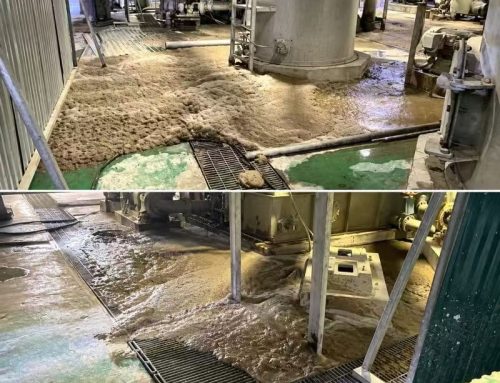
In the evolving landscape of hydrometallurgical copper recovery, leaching technology has emerged as a critical method for extracting copper from low-grade ores and oxide resources. However, one increasingly prominent operational challenge is persistent foam formation during the leaching process. This foam, although not generated by traditional foaming agents, can severely affect equipment performance, copper recovery rates, and operational safety.
This expert-level guide provides a comprehensive overview of copper leaching defoamer selection, performance criteria, and application strategies—empowering operators to manage foam effectively and ensure consistent process stability.

Why Foam Control Matters in Copper Leaching?
What is Copper Leaching?
Copper leaching is a hydrometallurgical process where copper is dissolved from ore into solution using acidic lixiviants such as sulfuric acid. Depending on the ore type and operation design, common methods include:
-
Heap Leaching – for large-particle ores, involving acid spray over ore piles;
-
Agitated Leaching – for fine-particle ores, using mechanical mixing;
-
In-situ Leaching – injecting lixiviants directly into the ore body underground.
Following leaching, the copper-rich pregnant leach solution (PLS) is processed via Solvent Extraction and Electrowinning (SX-EW) to recover pure copper.
Where Does the Foam Come From?
Though no foaming agents are added deliberately, foam becomes problematic due to the following factors:
-
Strong acid environment (pH 1–3): increases solution viscosity and surface tension;
-
High ionic strength: ions like Cu²⁺, Fe³⁺, SO₄²⁻, and Cl⁻ stabilize foam;
-
Air entrainment: from agitation, pumping, or spraying operations;
-
Surface-active impurities: residual flotation agents, ore fines, and oils;
-
Foam accumulation: due to recycling of pregnant solutions without foam dissipation.
The Impact of Foam on Copper Leaching Operations
Operational Hazards and Efficiency Losses
-
Overflow risks: foam accumulation can lead to tank spills or pipeline blockages;
-
Process disruption: excessive foam interferes with flow control and sensor accuracy;
-
Copper losses: foam carries valuable copper ions, reducing overall yield;
-
SX-EW interference: foam may destabilize phase separation in solvent extraction, impacting final purity;
-
Increased maintenance: cleaning and downtime caused by foam-related issues.
Thus, implementing a reliable copper leaching defoamer becomes essential to maintain safe, efficient, and profitable operations.
Key Performance Criteria for Copper Leaching Defoamers
An effective defoamer for copper leaching must withstand extreme conditions and remain compatible with downstream processes. The six core performance attributes include:
| Attribute | Description |
|---|---|
| Acid Resistance | Stable in pH 1–3; no decomposition or phase separation |
| Oxidation Stability | Withstands oxidative species like Fe³⁺ and Cl⁻ |
| Rapid Foam Knockdown | Breaks foam instantly under high agitation and air entrainment |
| Long-Lasting Suppression | Prevents reformation of foam for 4–8 hours or more |
| SX-EW Compatibility | Does not chelate copper ions or interfere with solvent extraction |
| Water Dispersibility | Easily emulsifies or disperses in aqueous systems; no sedimentation |
Recommended Types of Copper Leaching Defoamers
1. Modified Polyether-Based Defoamers (Silicone-Free)
-
Composition: EO/PO block copolymers, often end-capped for acid resistance
-
Advantages:
- Excellent compatibility with acidic environments
- Fast defoaming action
- Non-silicone: ideal for SX-EW systems
-
Use Cases: Pregnant leach solutions (PLS), agitation tanks, recirculation loops
Polyether-Modified Silicone Defoamers
- Composition: Silicone oils grafted with polyether chains, plus hydrophobic silica
- Advantages:
- Powerful and durable defoaming and anti-foaming action
- Ideal for persistent, surface foam
- Use Cases: Foam overflow control, PLS storage tanks, acid wash loops
Powdered Defoamer Formulations
- Composition: Polyether defoamer absorbed on inorganic carriers like silicates
- Advantages:
-
-
Solid form for easy storage and transport
-
Suitable for pre-treatment stages
-
-
Use Cases: Heap leaching ore pre-wetting, dry blending with ore before stacking
Application Strategies for Maximum Defoaming Efficiency
To ensure optimal performance and cost-efficiency, copper leaching defoamers should be applied based on process locations and foam severity:
| Application Area | Method | Suggested Dosage & Notes |
|---|---|---|
| Spray Irrigation | Inline Liquid Dosing | 30–50 ppm continuous dosing via metering pump |
| PLS Tanks | Drip Addition | 0.1–0.3 L per hour, adjusted by foam observation |
| Ore Pre-treatment | Dry Mixing / Spraying | 1–2 kg per ton of ore, use powdered defoamer if applicable |
Pro tip: Use foam height sensors or manual checks to optimize dosage and avoid overdosing, which can lead to reduced process reactivity (“defoamer poisoning”).
Your Expert Solution for Copper Leaching Foam Control
Foam control in copper leaching is not a secondary issue—it’s a critical component of operational stability and profitability. By selecting a well-formulated, acid-resistant copper leaching defoamer, you can reduce process disruptions, protect downstream SX-EW operations, and enhance copper recovery.
Whether you’re managing heap leaching, stirred tank systems, or in-situ recovery, the right defoamer strategy makes all the difference. At INVINO, we offer a full portfolio of defoamer.
Looking for a defoamer solution tailored to your site conditions?
Contact our technical team today for expert consultation, sample requests, or on-site foam control programs.