Why Should You Use Antifoam in Agrochemical?
Agrochemicals play a vital role in modern agriculture, offering protection from pests, diseases, and weeds. However, the production and application of agrochemicals can often lead to the persistent formation of foam. This foam can cause various issues. In this section, we will explore why it is important to implement agrochemical antifoams.
These are antifoams in different agrochemical scenarios to control foam effectively. By understanding the common foam-related issues, stages and requirements, we can make informed choices about defoamer selection and application.

The application of Antifoam in Agrochemical!
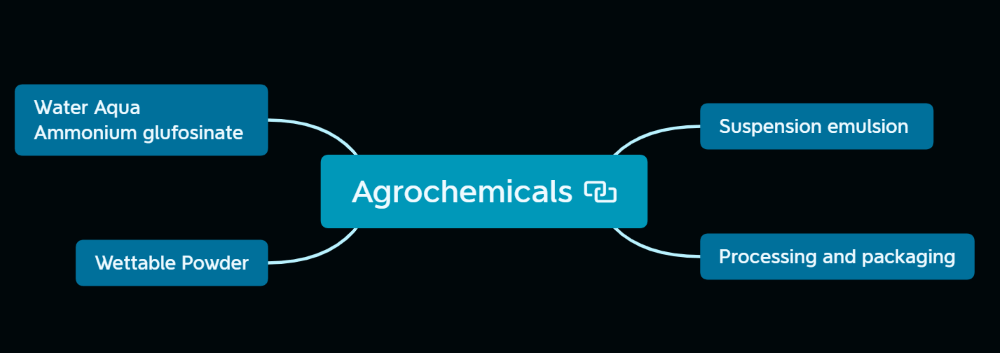
Suspension Concentrates (SC): Tackling Foam in Liquid Suspensions
Suspension concentrates are agrochemical formulations where solid particles are suspended in a liquid medium. However, foam can arise during the agitation process or due to the presence of surfactants. To prevent these issues, antifoams (like our silicone-based antifoam emulsions) are recommended. These defoamers effectively reduce surface tension and prevent foam formation, ensuring a stable suspension.
Water-Dispersible Granules (WDG): Preventing Foam in Dispersible Formulations
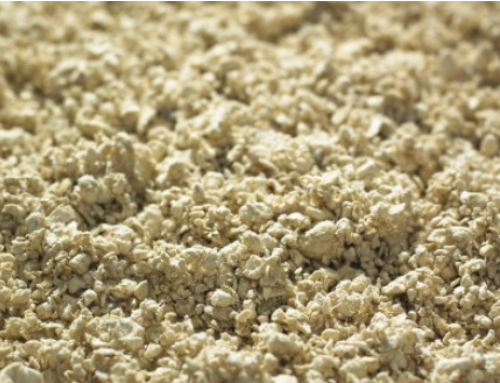
Water-dispersible granules, such as popular herbicides (like glyphosate or ammonium glufosinate), are popular in agrochemical formulations. These granules dissolve in water, releasing active ingredients. However, they can also present foam-related challenges. Defoamers (like INVINO-2200) prevent foam-related challenges, offering excellent foam control and stability, ensuring efficient dispersion and application.
Wettable Powders (WP): Overcoming Foam Challenges in Powdered Formulations
Wettable powders consist of finely ground solid particles that disperse in water. Foam can occur during mixing, agitation, or due to surfactant presence. Defoamers play a crucial role in controlling foam in WP formulations. Both silicone-based and non-silicone-based defoamers, such as INVINO-2502, can be used depending on formulation requirements and compatibility. These defoamers reduce surface tension and prevent the formation of stable foam, ensuring optimal dispersion and application efficiency.
Agrochemical Packaging: Ensuring Smooth Filling Processes
During the production and packaging of agrochemicals, foam can hamper the filling process and lead to inconsistencies. To address this, defoamers like INVINO-6225 (comparable to Dow Corning® 1527 USP Antifoam Emulsion) are recommended. These versatile silicone-based defoamers offer excellent foam control and compatibility. By adding defoamers during the packaging process, foam-related issues are minimized, ensuring efficient and smooth filling of agrochemical containers.
Conclusion of Antifoam in Agrochemical
In the agrochemical industry, foam can be a hindrance to efficient formulations and processes. By understanding the challenges in key formulations like Suspension Concentrates (SC) and herbicides, controlling foam can be effectively achieved. Whether it’s controlling foam in suspension concentrates (SC), water-dispersible granules (WDG), or wettable powders (WP), antifoams play a vital role in ensuring smooth operations and optimal performance.
Choose the right defoamer based on formulation requirements, and explore our complete range of agrochemical defoamers here.