Water Treatment Defoamers: How to Choose & Reduce Foam in Wastewater
Foam is a constant issue in both municipal sewage and industrial wastewater treatment — it cuts efficiency and pushes up operating cost. This guide from INVINO covers what causes foaming, how to choose the right defoamer, and which grade fits each situation. To diagnose foam by its color, see our aeration tank foam guide; for the full product range, see our wastewater treatment defoamers page.

What Causes Foam in Wastewater Treatment
Common Causes
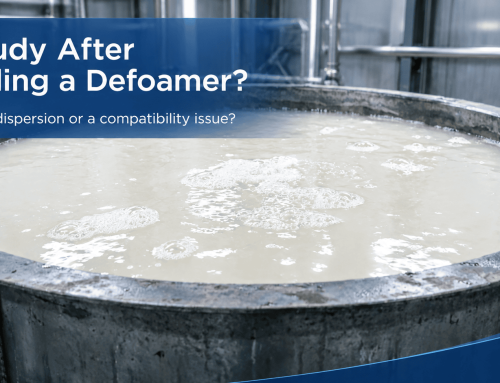
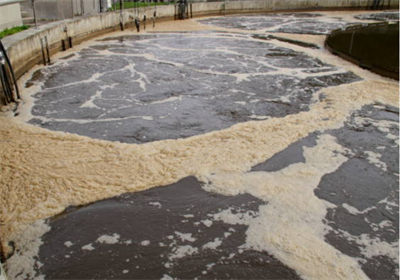
Foam comes from influent contaminants (surfactants, oils, proteins), chemical dosing (polymers), high organic load, microbial activity (e.g. Nocardia causing biological foam), high aeration rates, temperature shifts, and high solids in the slurry.
Key Impacts of Uncontrolled Foam
Persistent foam leads to:
- Reduced oxygen transfer efficiency (OTE) in aeration basins
- Poor settling in clarifiers
- Membrane fouling in MBR systems
- Inaccurate sensor readings and pump cavitation
- Tank overflows and safety hazards
- Difficulty meeting effluent discharge limits
How to Select the Right Wastewater Defoamer
Key criteria when choosing a defoamer for water treatment:
- Application point & foam type: match the grade to the location (aeration, MBR, effluent) and to whether the foam is biological or chemical.
- Biological compatibility: test the exact grade and dose against a blank, then monitor respiration, settling or SVI, effluent quality and foam rebound.
- Efficiency & persistence: evaluate knockdown speed and how long suppression lasts via testing.
- Compatibility & stability: stable in the wastewater matrix (pH, temperature, solids, electrolytes).
- Downstream impact: minimal effect on clarifiers, filters, membranes, sludge dewatering, and effluent quality.
- Regulatory compliance: meet local discharge regulations.
- Ease of use & cost: dosage form (liquid is most common), ease of dosing, and overall treatment cost.
INVINO Water Treatment Defoamer Grades
Aeration / Biological
INVINO-5023 — modified silicone-emulsion candidate for activated sludge and SBR trials. Confirm the lowest effective dose and monitor respiration, settling or SVI, foam rebound and effluent quality.
General & Chemical Foam
INVINO-2430 — silicone-emulsion candidate for chemical or surfactant-driven industrial effluent. Compare knockdown, rebound, separation and COD contribution across a dose ladder.
MBR / Non-Silicone
INVINO-4000 — non-ionic EO/PO block-copolymer candidate for MBR or silicone-sensitive trials. Confirm membrane material and track TMP, flux and permeate quality before continuous dosing.
Frequently Asked Questions
Q: Will a wastewater defoamer harm bacteria in the aeration tank?
A: Compatibility depends on the exact grade, dose and biomass. Compare a treated sample with a blank and monitor respiration, settling or SVI, effluent quality and foam rebound before continuous dosing.
Q: Should I use a silicone or non-silicone defoamer for wastewater?
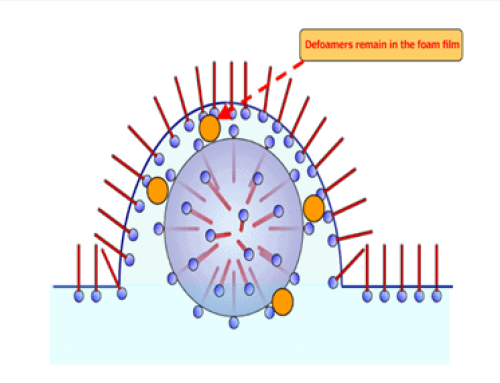
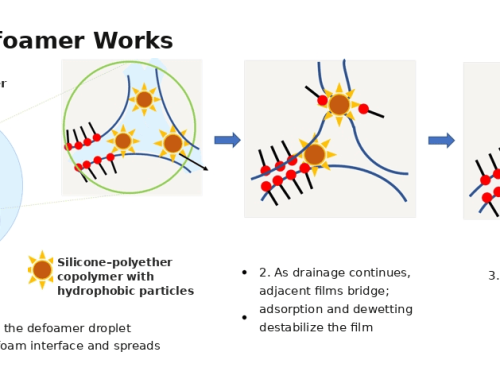
A: Silicone-emulsion candidates can provide rapid knockdown in many aeration or chemical-effluent systems. Non-silicone or polyether candidates may be shortlisted where silicone carryover or membrane compatibility is a concern; verify both options under actual water conditions.
Q: How should I qualify a defoamer for an MBR system?
A: Confirm the membrane material and supplier restrictions, then run a controlled compatibility and fouling trial. Track TMP, flux, permeate quality, foam rebound and the lowest effective dose; no grade should be described as compatible with every MBR without this evidence.
Q: Does wastewater defoamer increase COD or BOD?
A: A defoamer is an added organic or inorganic formulation, so zero contribution should not be assumed. Compare blank and treated water across the proposed dose range and monitor COD, BOD where relevant, separation and downstream discharge limits.
Q: Where should wastewater defoamer be dosed?
A: Start at a well-mixed point upstream of the foam-generating zone, then adjust from bench, aeration or side-stream results. Avoid dosing directly before sensitive membranes or stagnant zones unless the location and compatibility have been verified.