Defoamer Performance Guide: Key Factors & Optimization Strategies
Direct Answer
Defoamer performance depends on how quickly it knocks down existing foam, how long it suppresses new foam and whether it remains compatible with the process. The result is strongly affected by foam type, temperature, pH, shear, dosage, dilution and the point of addition. Compare candidates under identical process conditions, measure both initial knockdown and persistence, then confirm the lowest effective dosage in a plant trial while checking for defects, deposits or product-quality changes.
Last updated: August 2026
Achieving optimal foam control relies heavily on the effectiveness of the selected defoamer or anti-foaming agent. However, defoamer performance is not solely dependent on the product itself; it’s significantly influenced by the conditions of the foaming system and how the product is handled. Understanding these key factors is crucial for selecting the right antifoam agent, troubleshooting issues, and maximizing efficiency. This article explores the critical factors that impact how well defoamers work.

Defoamer performance is not solely dependent on the product itself; it is significantly influenced by the complex interaction of physical and chemical conditions. Understanding these 6 Critical Factors is key to maximizing efficiency.
Temperature Impact
Temperature affects both the dispersion state and solubility.
- High Temp: May cause demulsification if the defoamer exceeds its cloud point. Requires specialized High-Temperature Defoamers.
- Low Temp: Can increase viscosity, making dispersion difficult.
System Compatibility
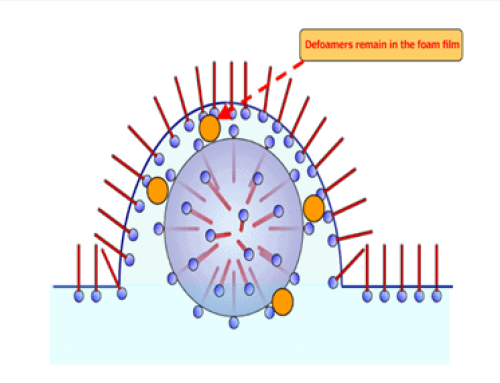
The golden rule of performance: "Insoluble but Dispersible."
An effective agent must be sufficiently insoluble to function at the interface, yet compatible enough to avoid surface defects (like fish eyes in coatings) or precipitation.
pH & Chemical Stability
Extreme pH (Strong Acid/Alkali) can degrade common silicone emulsions.
For harsh environments, select Modified Silicone or Polyether types designed for pH stability to prevent breakdown and loss of performance.
Shear Force & Agitation
High shear conditions (pumping, spraying, high-speed mixing) can physically break down defoamer emulsions.
Shear Stability is a critical performance metric for dynamic systems like paints & coatings or paper pulping.
Dosage & Addition Point
More is not always better. Overdosing leads to surface defects and higher costs.
- Addition Point: Add where agitation is best to ensure quick dispersion.
- Dilution: Follow TDS strictly; improper dilution causes instability.
Storage Conditions
Improper storage (freezing or extreme heat) permanently destroys the emulsion structure.
Maintain 5-35°C. Always stir before use, as minor stratification is normal but needs redispersion to ensure consistent performance.
Performance Challenges by Industry
Different industries demand different performance metrics. Explore specific solutions:
Focus: Shear Stability & Compatibility (No fish eyes/craters).
View Paint Solutions →Focus: OTR (Oxygen Transfer) & Sterilization Stability.
View Fermentation Solutions →Optimizing Defoamer Performance
Achieving consistent and effective foam control requires a holistic approach. Understanding how factors like temperature, compatibility, pH, shear, dosage, and storage impact anti-foaming agent performance allows users to select the most suitable product and optimize its use. For expert guidance and high-performance defoamer solutions tailored to your specific needs, contact INVINO.