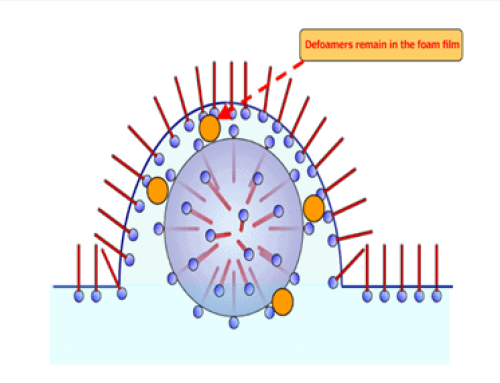
Defoamer for Paint & Coatings: Testing Methods, Defects & Solutions
Antifoam for paint is key to a smooth, defect-free film. Engineers evaluate defoaming efficiency and compatibility to pick the right grade — using the foam height method, specific gravity, spray and roll coating, and system compatibility tests. This guide covers each method, a 0–5 defect rating, and how to fix common defects. For the product range, see our paint & coatings defoamers page; for dosing, see how to use paint defoamer.
Defoaming Efficiency Tests for Paint Antifoam
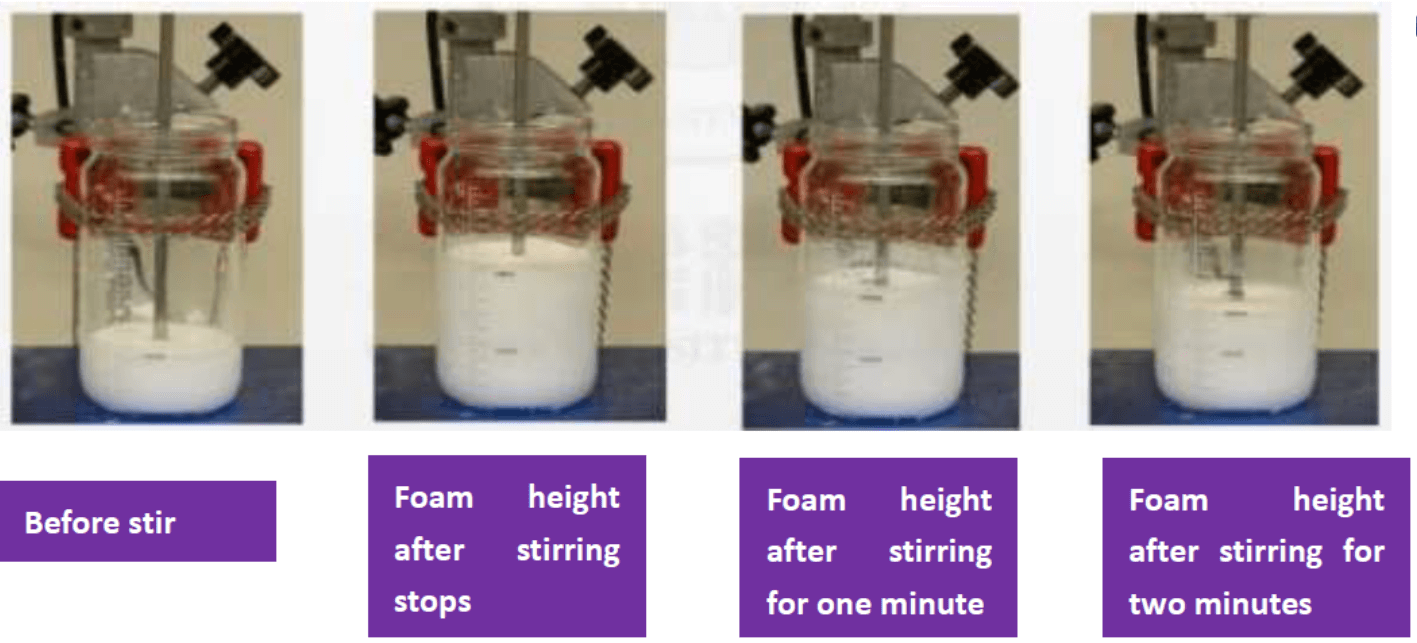
Foam Height Method
A reliable way to measure defoaming efficiency. Procedure: add paint containing the antifoam into a marked measuring cup; use a micro air compressor to introduce air; read the foam height. Higher foam = poor efficiency; lower foam = better performance. Good for rapid screening, then combine with the specific gravity and roll coating methods.
Specific Gravity Method
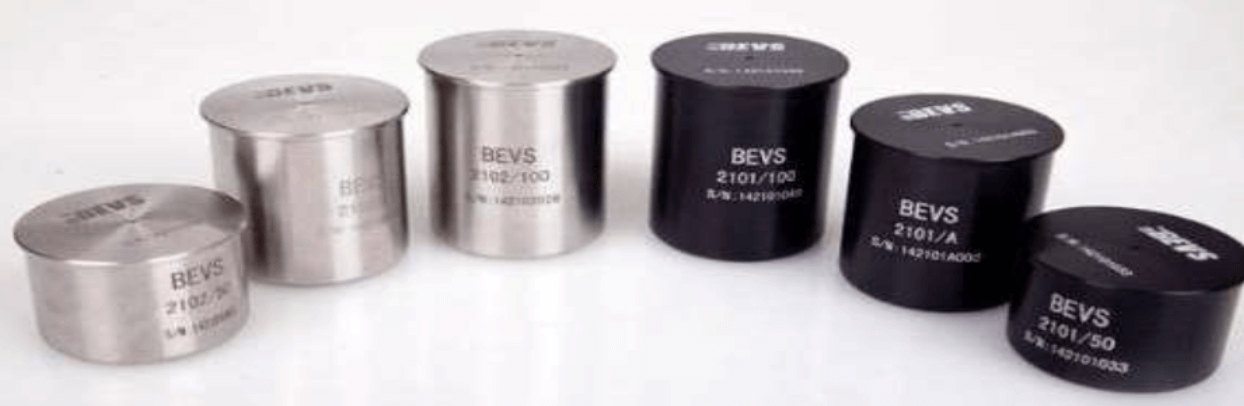
Pour high-speed agitated paint into a density cup and measure density; seal, store, and re-measure after a set time to check whether the density changes — a sign of entrained micro-foam.
Spray & Roll Coating Tests
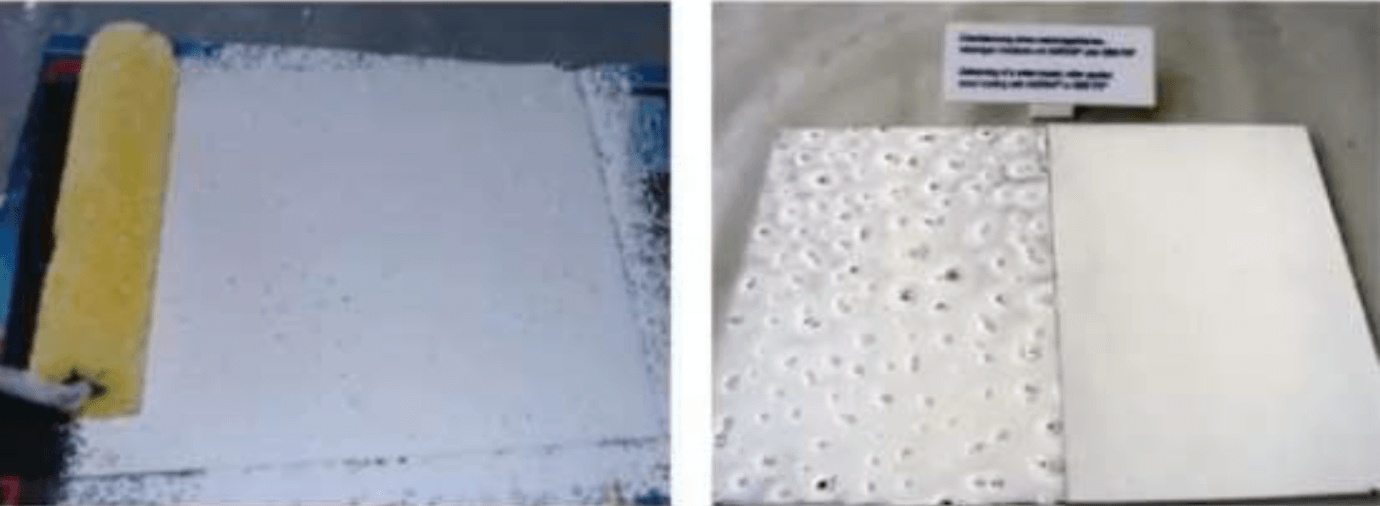
Spray test: high-speed stirred paint is sprayed onto a polyester film at 25°, and the dried surface is inspected. Roll test: the paint is sponge-rolled onto a non-porous substrate and the dried film surface is checked for defects.
Compatibility Test & Defect Rating (0–5)
This test checks how well the antifoam matches the coating system. Procedure: equilibrate the paint 24 hours, apply a 75 µm wet film on a glass plate, and observe both wet and dried film for defects.
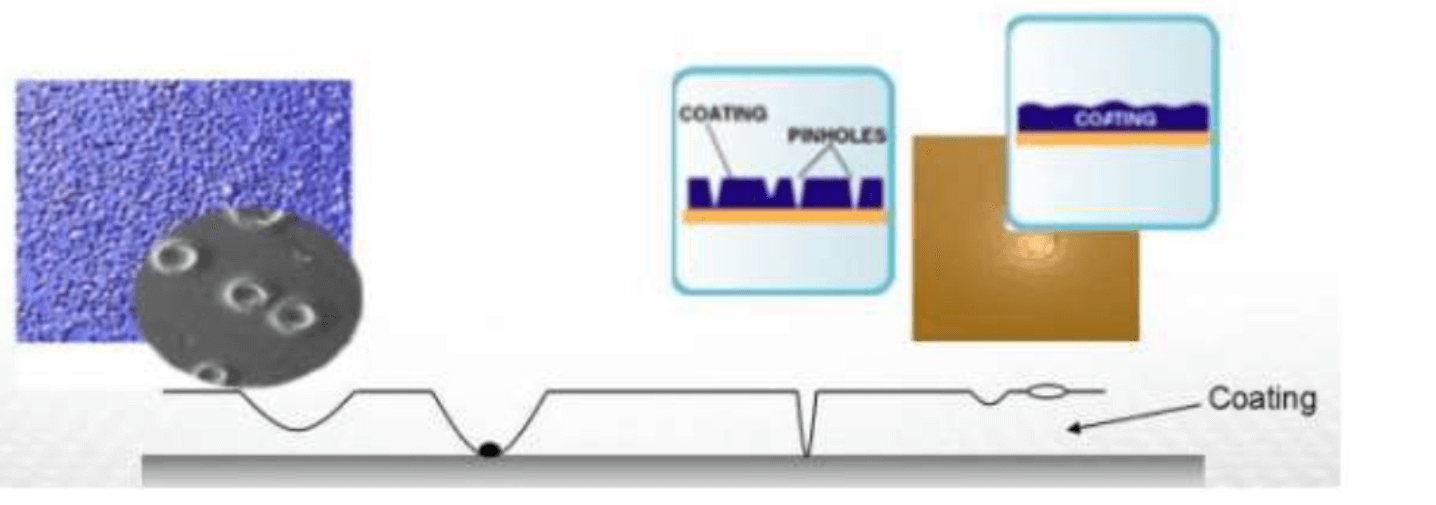
Common paint film defects:
- Shrinkage: circular pits of varying size on the dried film.
- Fisheye: particles within circular pits resembling fish eyes.
- Pinhole: small holes from trapped air bubbles that can't level before drying.
- Orange peel: uneven surface resembling orange skin.
Rating scale: 0 = no defects … 5 = severe defects (shrinkage, fisheyes, pinholes, orange peel).
Troubleshooting: INVINO Grades for Common Paint Defects
Don't just test for defects — solve them. As a dedicated paint defoamer manufacturer, INVINO offers grades tailored to each issue:
| Paint Defect | Likely Cause | Recommended INVINO Grade |
|---|---|---|
| Micro-foam / Pinhole | Trapped air during high-speed dispersion | INVINO-3100 (Mineral Oil) Excellent compatibility, cost-effective. |
| Fisheye / Cratering | Silicone incompatibility or overdose | INVINO-3000 (Mineral Oil) Zero silicone spots, safe for topcoats. |
| Fisheye / Cratering | Poor flow and leveling | INVINO-3200 (Mineral Oil) Balances leveling and defoaming. |
FAQ: Defects & Testing Standards
Q: What is the difference between macro-foam and micro-foam?
A: Macro-foam is the visible large surface bubbles; micro-foam is fine entrained air in the film that causes haze, low gloss, and pinholes even when no big bubbles show.
Q: How do I solve "fisheyes" (craters) caused by defoamers?
A: Usually silicone incompatibility or overdose. Switch to a compatible mineral oil grade such as INVINO-3000 (zero silicone spots, safe for topcoats) and correct the dose.
Q: What is the most accurate method to test defoaming efficiency?
A: No single method is enough. Combine the foam height method (screening) with the specific gravity method and a roll/spray coating test on real film.
Q: Why do you recommend adding defoamer in two stages?
A: Part at grinding controls in-can foam, part at let-down controls application foam. Split addition balances knockdown and persistence.
Q: Will the defoamer cause the paint to separate or settle upon storage?
A: Low-end defoamers can separate. INVINO grades are formulated for shelf stability; the specific gravity method verifies no density change over time.