Understanding Agrochemicals and the Role of Pesticide Additives

Agrochemicals play a vital role in modern agriculture, helping protect crops and ensure food supply. But what exactly falls under the agrochemicals meaning? And how do specialized agrochemical additives enhance the effectiveness of active ingredients like pesticides? This guide defines agrochemicals, explores the importance of agrochemicals additives, and discusses their various functions in improving formulation, application, and overall performance. Understanding pesticide and additives is key to optimizing crop protection strategies.
What are Agrochemicals? Definition and Types
The term agrochemicals (or agro chemicals) broadly refers to chemical products used in agriculture. The main categories include:
- Pesticides: Substances used to control pests (including herbicides, insecticides, fungicides, etc.).”
- Fertilizers: Supply essential nutrients to crops.
- Soil Conditioners: Improve soil structure and health.
- Plant Growth Regulators: Influence plant growth and development.
- Agrochemical Additives (Adjuvants): These are crucial inert ingredients added to formulations or tank mixes to improve the performance, handling, or safety of the active ingredients (primarily pesticides). This article focuses primarily on these vital additives.
Additives for Formulation Stability & Delivery
Many agrochemical additives ensure the pesticide can be effectively formulated, stored, and delivered evenly to the target:
- Fillers and Carriers: Inert materials providing bulk for solid formulations (like powders or granules) ensuring uniform application. Examples include clay, talc, silica.
- Solvents: Liquids used to dissolve solid active ingredients for liquid formulations (like Emulsifiable Concentrates – EC). Must ensure stability and safety.
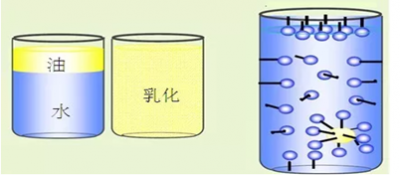
- Emulsifiers: Help oil-based active ingredients mix stably with water, forming an emulsion for spray application. Crucial for EC formulations.
- Dispersants: Prevent solid particles suspended evenly in liquid formulations Suspension Concentrates or Water-Dispersible Granules – WDG after dilution)…”
Additives Enhancing Pesticide Efficacy
Certain additives directly boost or prolong the active ingredient’s effectiveness:
- Synergists: Chemicals that may not have pesticidal activity themselves but enhance the potency of the active ingredient.
- Stabilizers: Protect the active ingredient from degradation caused by UV light, heat, or chemical reactions, extending shelf life and field performance.
- Sustained-Release Agents: Control the release rate of the active ingredient over time for prolonged protection.
Additives Improving Application and Plant Uptake
These additives help the pesticide reach and penetrate the target surface:
- Wetting Agents (Spreaders): Reduce the surface tension of spray droplets, allowing them to spread more evenly over waxy leaf surfaces, increasing contact area.
- Penetrants: Help the active ingredient penetrate the leaf cuticle or insect exoskeleton, improving uptake and efficacy.
Defoamers: An Essential Agrochemical Additive for Foam Control
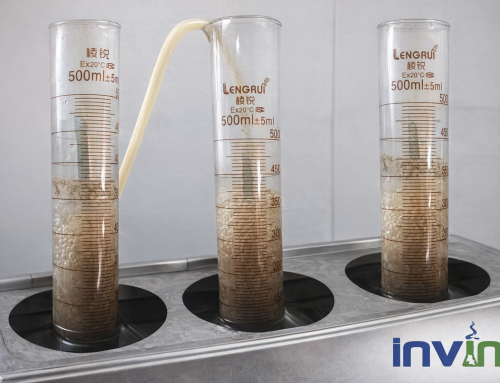
Foam generation during the mixing and spraying of pesticide and additives can cause significant problems, including inaccurate dosage, tank overflows, and poor spray coverage. Defoamers (or antifoams) are critical agrochemical additives used to prevent or eliminate foam.
- Why Needed: Many surfactants used as wetting agents or emulsifiers can cause excessive foaming. Agitation in spray tanks also contributes.
- Solution: Incorporating a compatible defoamer ensures smooth mixing, accurate application, and optimal performance. INVINO specializes in developing effective foam control agents. For a complete overview of our products, visit our main Agrochemical Defoamer industry page.
The Importance and Uses of Agrochemicals Additives
The importance of agrochemicals additives cannot be overstated. While the active ingredient provides the primary function, it’s often the carefully selected additives that ensure:
- The product can be manufactured, stored, and handled effectively.
- The active ingredient reaches the target evenly and efficiently.
- The active ingredient can overcome biological barriers (like leaf wax).
- The overall performance and cost-effectiveness of the crop protection strategy are maximized. Understanding the different uses of agrochemicals additives helps in selecting and formulating better products.
Modern agriculture relies heavily on agrochemicals. While active ingredients get much attention, the diverse range of agrochemical additives are the unsung heroes that ensure these products work effectively, safely, and conveniently. From enhancing stability and delivery to improving efficacy and managing issues like foam with specialized defoamers, additives are indispensable. INVINO is committed to providing high-quality additive solutions, like foam control agents, to support the agrochemical industry.