Effective Sewage Defoamer: Improving Wastewater Treatment Efficiency & Foam Control
← Back to all Wastewater Applications
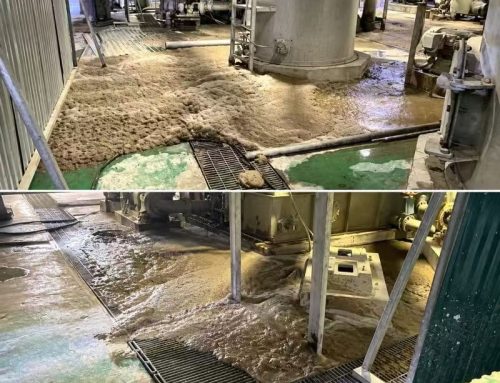
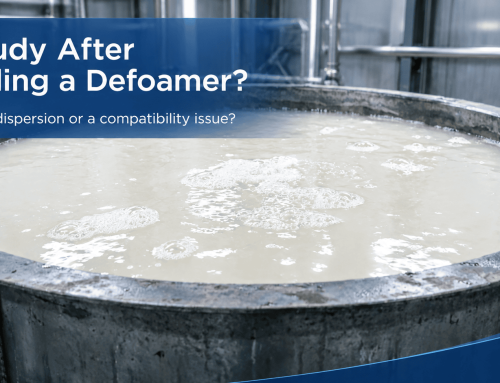
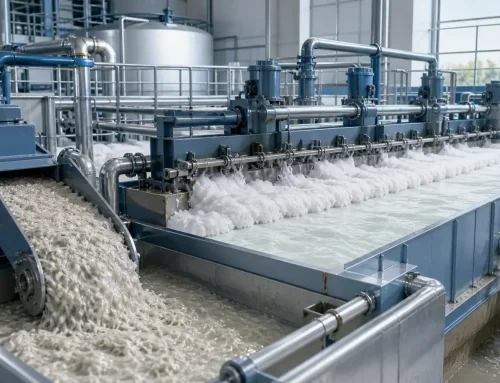
Foam is a common, disruptive issue in biological sewage treatment plants, impacting nearly every stage from activated-sludge aeration basins to effluent discharge. Uncontrolled sewage foam lowers oxygen-transfer efficiency, creates safety hazards, and compromises effluent quality.
An effective foam control strategy — primarily specialized biological sewage defoamers — is crucial. INVINO, a leading defoamer manufacturer from China, offers solutions tailored to municipal and industrial biological sewage plants.

Advantages of INVINO's Sewage Defoamer Solutions
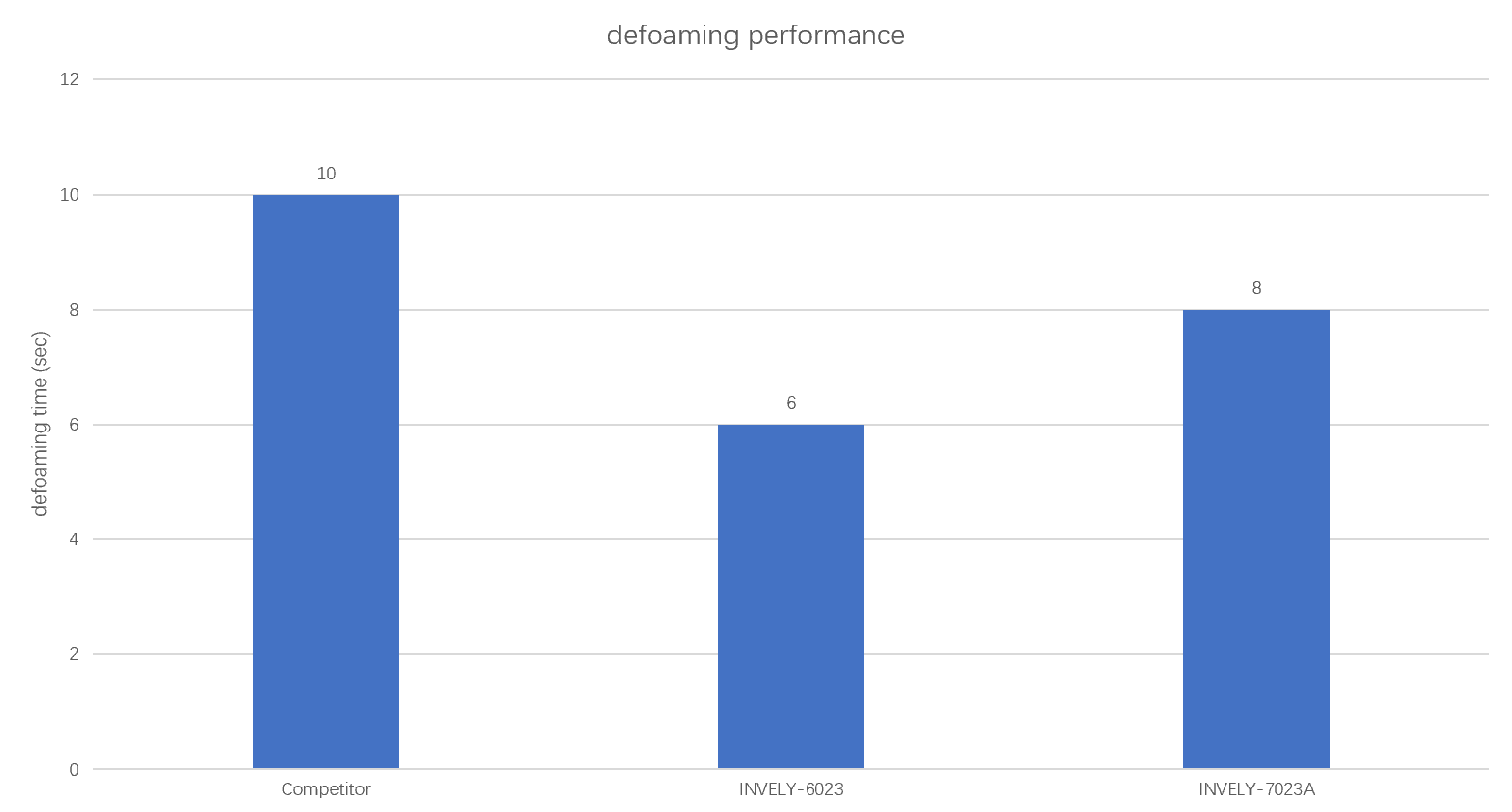
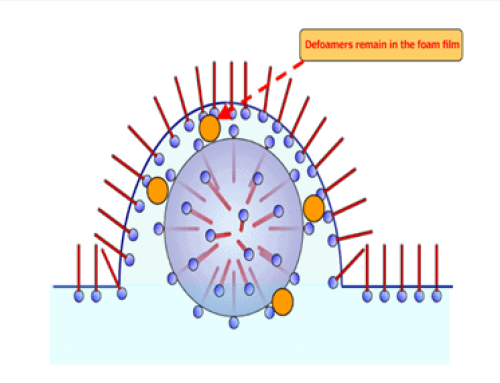
INVINO's sewage defoamers deliver significant, measurable benefits:
- Fast & effective foam control: rapid knockdown with long-lasting suppression (antifoam persistence).
- High efficiency / low dosage: cost-effective, minimizing chemical consumption.
- Excellent dispersion & stability: easy to use, reliable across conditions, no phase separation.
- Wide applicability: suits diverse biological systems and broad pH/temperature ranges.
- Environmentally considerate options: including environmentally acceptable defoamer choices.
INVINO: Your Reliable China Biological Sewage Defoamer Supplier
As a premier defoamer manufacturer and supplier based in China, INVINO offers:
- A comprehensive portfolio of wastewater defoamers, including biological sewage grades like INVINO-5023 and silicone-free antifoams for sensitive systems.
- Technical expertise to solve the toughest sewage foam challenges.
- Reliable supply chain and options for wholesale inquiries.
Recommended: INVINO-5023 — Biological Sewage Defoamer
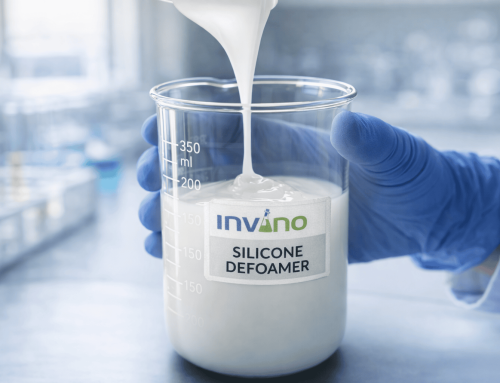
A 25% modified silicone emulsion defoamer for biological sewage: rapid foam knockdown and persistent suppression in aeration basins and activated-sludge systems, protecting oxygen transfer and effluent quality at low dosage across a broad pH range. For a selection framework, see our water treatment defoamer guide; for cooling loops, see our circulating water defoamer page.
Q&A: Biological Sewage Foam Control
Q: How does foam lower oxygen transfer in aeration basins?
A: A foam blanket traps air and blocks gas exchange, reducing oxygen transfer to the activated sludge and lowering treatment performance. A defoamer removes the blanket to restore oxygen transfer.
Q: Is INVINO-5023 safe for the activated sludge microorganisms?
A: Yes. At recommended low dosage it controls foam without harming the activated-sludge biomass.
Q: Does the defoamer work across a broad pH range?
A: Yes. It is stable and effective across the broad pH and temperature range typical of municipal and industrial biological sewage.
Q: Is a silicone-free option available for sensitive systems?
A: Yes. INVINO offers silicone-free antifoams alongside the silicone-emulsion INVINO-5023; our team matches the right grade to your process.
Q: How is the sewage defoamer dosed?
A: Continuous low-rate dosing keeps basins foam-free, or shock-dose to knock down sudden foam. Confirm the optimum rate by trial for your foam load and volume.