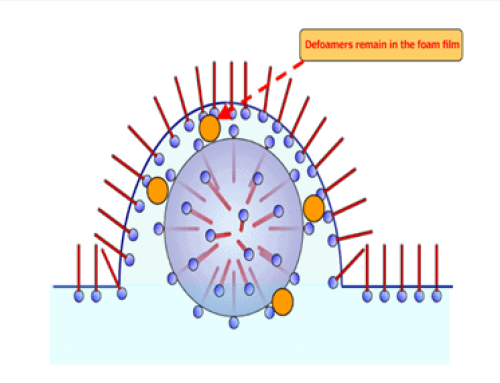
Defoamer for Pesticides & Agrochemicals
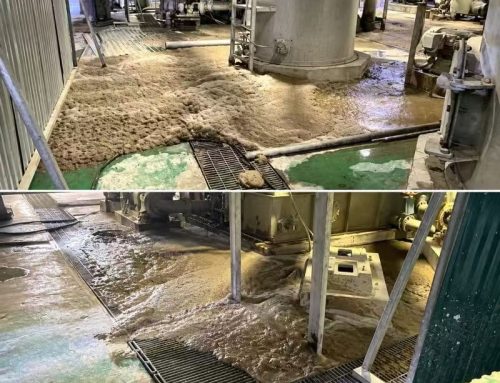
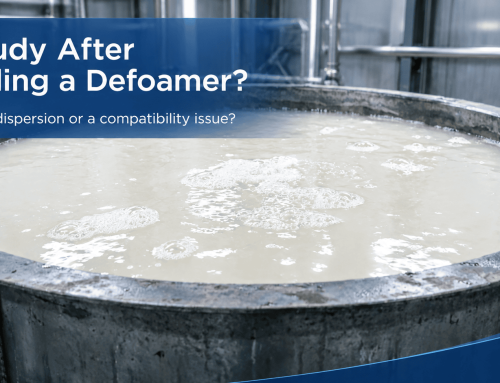
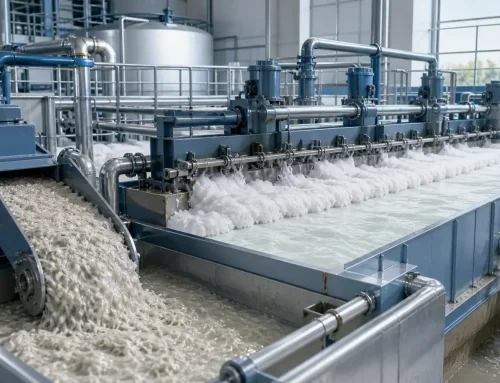
Foam is a constant problem in agrochemical production. During bead milling, high-speed dispersion, and filling, surfactant-rich pesticide formulations foam heavily — slowing production, causing inaccurate fill volumes, and trapping air in the final product. INVINO® supplies shear-stable defoamers for pesticide suspension concentrates (SC), herbicide soluble liquids (SL), emulsifiable concentrates (EC), and wettable powders (WP), controlling foam without affecting the active ingredient or the crop.
Request a Free Sample
Why Foam Control Matters in Agrochemical Production
- Filling-line accuracy: foam causes short-fill and inaccurate metering on high-speed bottling lines.
- Production speed: foam slows bead milling, dispersion, and transfer between vessels.
- Product stability: trapped air affects density, suspension, and shelf appearance.
- Spray performance: foam in the spray tank reduces coverage and wastes product in the field.
INVINO Agrochemical Defoamers by Formulation Type
| Grade | Type | Best For (Formulation) |
|---|---|---|
| INVINO-2200 | Silicone | Pesticide suspension concentrate (SC) — shear-stable through bead milling, fast knockdown on filling lines. |
| INVINO-6225 | Silicone | Herbicide soluble liquid (SL) & high-surfactant systems — strong persistence under heavy foaming load. |
| INVINO-370 | Silicone | Emulsifiable concentrate (EC) & oil-containing systems — compatible with emulsifier packages. |
| INVINO-2502 | Powder | Wettable powder (WP) & water-dispersible granule (WDG) — controls foam on reconstitution & spraying. |
For glyphosate and glufosinate herbicides specifically, see our dedicated glyphosate defoamer page. For the full industry overview, visit our agrochemical defoamers page.
FAQ: Agrochemical Defoamer Selection
Q: What defoamer is best for pesticide suspension concentrate (SC)?
A: Use a shear-stable silicone defoamer such as INVINO-2200 that survives bead milling and high-speed dispersion without separating, and knocks foam down fast on filling lines.
Q: Which antifoam works for herbicide SL formulations?
A: Herbicide soluble liquids (SL) like glyphosate are high in surfactants and foam heavily. INVINO-6225 gives strong, persistent knockdown under that load.
Q: Do you have a defoamer for wettable powder (WP) agrochemicals?
A: Yes. INVINO-2502 is a powder defoamer for WP and water-dispersible granule (WDG) products; it controls foam during reconstitution and spray tank mixing.
Q: Will the defoamer affect the crop or the active ingredient?
A: No. INVINO agrochemical defoamers are dosed low and are inert to the active ingredient and crops at normal use levels.
Q: Is the defoamer stable through high-shear milling?
A: Yes. The silicone grades resist high-shear bead milling and high-speed dispersion, so they keep working through SC and SL production.