How to Select the Right Antifoams for Sugar Mills — Foam Control Solutions for Sugar Processing
Direct Answer
A sugar-refinery defoamer should control foam in juice clarification, evaporation, crystallization or fermentation without contaminating the product or disrupting downstream processing. Select it against the actual syrup or juice composition, Brix, temperature, pH and circulation shear, and confirm that it meets the applicable food-contact or processing-aid requirements for the destination market. Compare foam knockdown and persistence at the lowest effective dose while monitoring clarification, heat transfer, color, filtration, crystallization, sucrose recovery and any residue or odor risk.
Last updated: August 2026
Certified Safe for Food Contact.

Selecting the right defoamer for sugar mills is crucial in optimizing your sugar production processes. Whether you’re dealing with beet or cane sugar, the right product ensures foam control during juice clarification, evaporation, and crystallization. For an in-depth understanding of how to select the ideal defoamer for your sugar mill, check out our full guide on Defoamers for Sugar Mills.
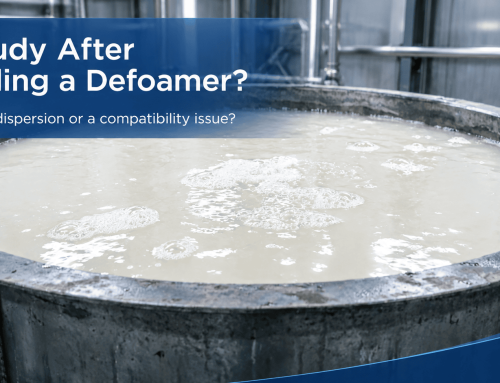
The sugar making process from sugarcane and beets is complex, involving multiple stages where unwanted foam generation can significantly disrupt operations. From juice extraction to evaporation and crystallization, excessive sugar foam poses challenges to efficiency, product quality, and even safety. Effective foam control is therefore not just beneficial, but essential in modern food processing environments like sugar refineries. This guide explores why specialized antifoams for the sugar industry are crucial and provides practical advice on selecting the right industrial defoamer solutions. Understanding the correct defoamer uses can dramatically improve your refining process.

The Problem: Why Uncontrolled Sugar Foam is Detrimental?
What exactly is antifoaming agents meaning in this context? It means preventing or suppressing foam. But why is sugar foam such an issue in refineries?
- Reduced Processing Efficiency: Foam occupies volume in tanks, evaporators, and vacuum pans, reducing effective capacity and throughput. This slows down the entire sugar making process. It can also interfere with level sensors and heat transfer efficiency.
- Product Loss & Quality Issues: Foam can lead to overflow (entrainment) in evaporators and vacuum pans, resulting in sugar loss. It can also trap impurities, affecting final sugar quality (e.g., color, crystal clarity). Inconsistent boiling due to foam can impact crystal size distribution.
- Operational & Safety Hazards: Boil-overs caused by excessive foam can create messy and potentially hazardous conditions for operators. Foam can also make accurate process monitoring difficult.
Understanding Antifoams and Defoamers for Sugar Mills
While often used interchangeably, antifoamers and defoamers play distinct but related roles. Antifoamers prevent foam formation, while defoamers break down existing foam. In practice, many products exhibit both properties. The primary anti foaming agent uses in sugar mills include:
- Juice Extraction & Clarification: Controlling foam during liming, carbonation, and filtration.
- Evaporation: Preventing boil-overs and maximizing heat transfer efficiency.
- Crystallization (Vacuum Pans): Ensuring stable boiling, preventing entrainment, and promoting uniform crystal growth.
- Molasses Handling & Storage: Reducing foam during pumping and storage.
- Fermentation (if applicable, e.g., for ethanol): Using specific agents like a yeast defoaming agent to manage foam during fermentation processes.
Common types of antifoaming agents in food applications like sugar refining include:
- Siliconebased emulsions (highly effective at low doses).
- Non-silicone organic formulations (e.g., polyglycols, esters).
- Fatty acids antifoam formulations (often derived from vegetable oils).
Key antifoam ingredients must be food-grade and comply with relevant regulations (e.g., FDA, Kosher, Halal), distinguishing them from purely industrial defoamer grades used in non-food applications. It’s crucial not to confuse these with a foaming agent in food, which promotes foam. The goal here is effective foam control food processing.
How to Select the Right Antifoams for Sugar Mills?
Choosing the most suitable antifoam for sugar industry applications involves several key considerations:
- Regulatory Compliance: This is paramount. The product must be approved for use as an antifoaming agent in food according to local and international standards applicable to your market. Verify certifications (Kosher, Halal if needed).
- Effectiveness & Efficiency: The de foaming agent should effectively control sugar foam at the lowest possible dosage rate under your specific process conditions (temperature, pH, shear). Lab screening and plant trials are often necessary.
- Compatibility: Ensure the antifoam doesn’t negatively interact with the sugar juice, cause scaling on equipment, or affect final product quality (taste, odor, color, filterability).
- Ease of Use & Handling: Consider the product form (liquid defoamer vs. powder defoamer – though liquids are more common here), viscosity, dosing requirements, and storage stability.
- Cost-Effectiveness: Evaluate the overall cost, considering dosage rate, product price, and impact on process efficiency. The cheapest product isn’t always the most economical if higher doses are needed or it causes other issues.
- Supplier Reliability & Support: Partner with reputable suppliers who understand the sugar industry defoam challenges.
Sourcing Reliable Antifoams for sugar Mills
Finding a dependable partner is crucial for consistent operations. Instead of relying on general traders, look for an experienced industrial sugar defoamer manufacturer who can offer factory-direct support. Consider factors like:
-
Product Quality & Consistency: Ensure the factory has strong quality control measures (ISO certified) to guarantee batch-to-batch stability.
-
Technical Expertise: Can they provide custom formulation support? As a manufacturer, INVINO understands the specific chemical needs of antifoams for sugar mills better than mere distributors.
-
Supply Chain & Factory Direct Pricing: Can they ensure timely delivery? Nanjing Invelychem, the manufacturer of INVINO® defoamers, is a leading China industrial sugar defoamer manufacturer offering robust supply chains and wholesale factory prices without the middleman markup.
-
Documentation: Availability of necessary certifications (Halal, Kosher, ISO) and authentic Technical Data Sheets (TDS).
Finding the right manufacturing partner ensures you get effective products backed by reliable technical service and competitive costs.
Effective foam control is a critical element in optimizing the modern sugar making process. Uncontrolled sugar foam leads to inefficiencies, product loss, and potential hazards. By understanding the defoamer uses and carefully selecting the appropriate food-grade antifoaming agent based on compliance, effectiveness, compatibility, and cost, sugar refineries can significantly improve their operations. Partnering with knowledgeable suppliers like YWL Chemical, who offer a range of antifoams for the sugar industry and understand the specific needs of foam control food processing, is key to achieving consistent and efficient production.
Ensure proper selection by checking out Defoamers for Sugar Mills, where we detail how to optimize foam control in your sugar refinery.