
Antifoam in the Paper Industry: Foam Causes, Selection & Mill Trials
Need product grades, TDS or sample options?
Use this guide to diagnose foam and plan a mill trial. For commercial grade comparison across black liquor, pulp washing, white water, wet end and coating, continue to the industry product hub.
The modern paper industry is a cornerstone of global communication and packaging, Achieving high efficiency and consistent quality in paper production heavily relies on managing process variables, among which foam control presents a significant challenge. From pulp processing to the paper machine and coating applications, unwanted foam can disrupt operations. This article provides an overview of why effective foam control using specialized antifoams is crucial throughout the pulp and paper value chain, and how INVINO delivers reliable foam control agents.

This article explores strategies for effective foam control using specialized antifoams. For an overview of INVINO’s tailored solutions for various process stages, visit our main Pulp and Paper Defoamers industry page.
Why Foam and Entrained Air Need Different Diagnosis
Direct answer: visible surface foam and entrained micro-air are related but not identical problems. Diagnose the process stage, where air enters, temperature, shear, furnish, dissolved and colloidal material, water-loop closure and current additives before selecting a chemistry or dosage.
Pulp washing and black liquor
Lignin-derived surfactants, resin acids, alkali, temperature and washer hydraulics can stabilize foam. Record liquor solids, pH, temperature, carryover, washer load and deposit observations.
Wet end and white water
Fan-pump shear, air leaks, furnish, retention chemistry and water closure can change entrained air. Track air content, drainage, retention, sizing, deposits and sheet defects together.
Coating and surface sizing
Mixing, pigments, binders, starch and recirculation can create foam that contributes to surface defects. Check rheology, leveling, oil-spot risk and final sheet requirements.
Mill wastewater
Foam may originate from fiber, surfactants, biological conditions or upstream chemical carryover. Diagnose the source and treatment stage before borrowing a wet-end or pulping grade.
Pulp Washing, Screening & Black-Liquor Foam: What to Check
In the pulp mill, foam is often caused by lignin, resin acids, and high-temperature black liquor. Uncontrolled foam in pulp processing can lead to:
-
Soda Loss: Poor washing efficiency resulting in chemical waste.
-
Deposit Formation: Pitch and scale buildup on washers.
-
Pump Efficiency: Cavitation in filtrate pumps.
Screening option: silicone emulsion grades may be considered for some black-liquor or pulp-washing conditions within the current TDS limits. Confirm drainage, deposits, carryover and compatibility in representative testing.
Mechanical, Process and Chemical Foam-Control Options
Managing paper foam control and pulp foam control involves various approaches:
- Physical Methods: Mechanical foam breakers or vacuum systems can help, but often have high energy consumption or limited effectiveness, especially against stabilized micro-foam.
Combine mechanical and process corrections with chemistry where required. Compare commercial grades here.
- Chemical Methods: The Role of Antifoaming Agents
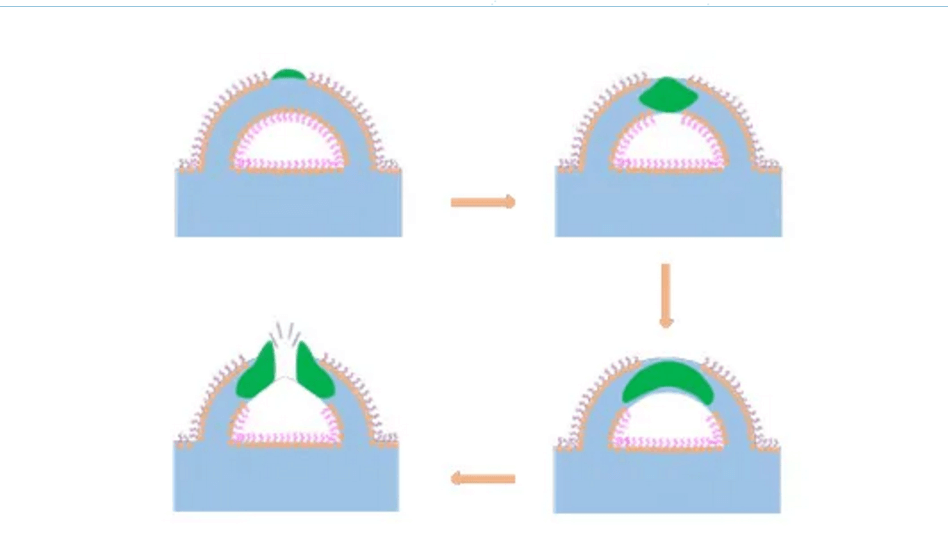
- Chemical defoamers are one common approach when the foam source and process conditions are understood. Antifoaming agents (also called defoamers) work by reducing surface tension and disrupting foam bubble stability.
- Key properties for an effective antifoam reagent in this industry include rapid spreading on the foam surface and incompatibility with the foaming medium. INVINO focuses on developing highly efficient defoamer for paper industry solutions.
What to Measure in a Paper-Mill Trial
A controlled paper-mill trial should test whether foam or air reduction is accompanied by acceptable downstream results:
- Process response: Measure drainage, air content, level stability, production rate and downtime against the baseline.
- Sheet and coating quality: Monitor formation, pinholes, spots, surface strength, printability and coating holdout.
- Operating cost: Calculate dose, fiber or chemical loss, energy and cleaning time from actual trial data.
- Compliance: Verify the exact grade, market, certificate version, discharge requirements and customer specification; do not infer ecolabel suitability from chemistry family alone.
Paper-Mill Antifoam Selection and Trial Matrix
Use chemistry families as a shortlist, not a guarantee. Confirm the current TDS and compare candidates under representative mill conditions.
| Process stage | First checks | Chemistry shortlist | Trial measurements |
|---|---|---|---|
| Pulp washing, screening and black liquor | Liquor solids, pH, temperature, lignin/resin carryover, washer load | Silicone emulsion or other alkali-tolerant candidates within TDS limits | Foam knockdown and persistence, washing, deposits, carryover and downstream compatibility |
| Paper-machine wet end and white water | Air-entry point, temperature, shear, furnish, retention and sizing program | Fatty alcohol or polyether candidates selected by representative conditions | Air content, drainage, retention, Cobb/sizing result, deposits, dosage response and defects |
| Coating kitchen and surface sizing | Mixing, pigments, binders, starch, viscosity and recirculation | Mineral-oil/hydrocarbon, polyether or other compatible candidates | Foam, rheology, leveling, fisheyes, oil spots, film uniformity and print requirements |
| Mill wastewater | Foam source, biological or chemical stage, upstream carryover, membrane material if present | Water-treatment candidate screened separately from paper-process grades | Foam, effluent response, biomass or membrane compatibility, deposits and lowest effective dose |
- Document the untreated or current-treatment baseline.
- Fix temperature, shear, furnish and test method.
- Run a controlled dose ladder rather than one high-dose comparison.
- Measure both foam/air response and downstream quality indicators.
- Confirm the current TDS, SDS, certificate scope and commercial sample terms before scale-up.
Process references: Kemira pulp and paper defoamer guidance, Valmet deaeration guidance and Valmet white-water system guidance.
Related INVINO guides: commercial pulp and paper grade hub, white-water and wet-end selector, black-liquor foam-control guide, and paper-coating defoamer page.
Foam-Control Priorities for Modern Paper Mills
Paper mills are increasing machine speed, recycled-fiber use and water-loop closure while facing tighter quality and discharge requirements. These changes make baseline diagnosis, deposit control, grade-specific documentation and measured trials more important than broad chemistry claims.
Effective foam control depends on the process stage and the source of visible foam or entrained air. Use the diagnostic and trial framework above, then compare commercial candidates only after the operating conditions and acceptance criteria are defined.
For grade comparison, TDS review and sample availability, continue to the pulp and paper product hub with your process stage, temperature, furnish, current treatment and trial criteria.