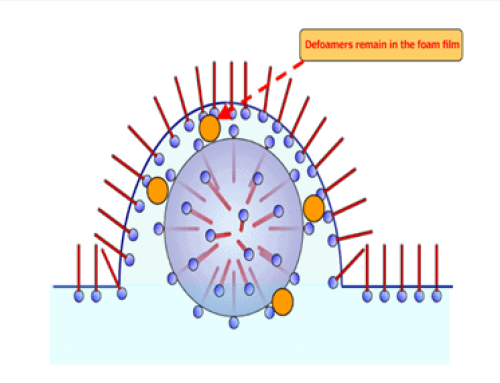
Molasses Fermentation Foam Control: Managing Antifoam Parameters Under Industrial Ethanolic Fermentation Systems
1. Technical Summary
Quick Summary: Foam suppression in industrial molasses fermentation requires managing gas evolution rates and liquid film viscosity at operating temperatures between 30°C and 38°C. Based on field chemistry data from distilling plants across Africa, Pakistan, and Latin America, maintaining a steady dosage boundary of 10–100 ppm prevents foam formation during severe pH shifts (4.5–6.0). While INVINO-7030D is formulated for pre-dilution setups, INVINO-3000 and INVINO-103B are fed directly into the system to maintain maximum emulsion stability at the air-liquid interface.
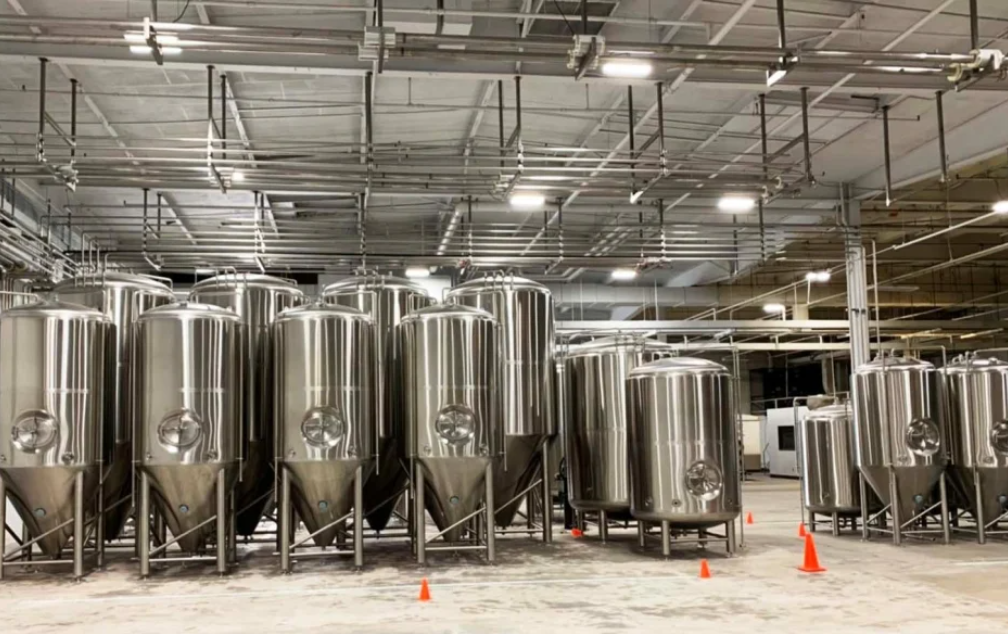
2. Process Challenges: The Impact of Temperature and pH on Cane & Beet Molasses
In industrial ethanol production, temperature and pH fluctuations within the fermentation broth alter the defoaming requirements. For custom batch adjustments, check our core reference on defoamers for fermentation lines. The active chemical boundaries are detailed below:
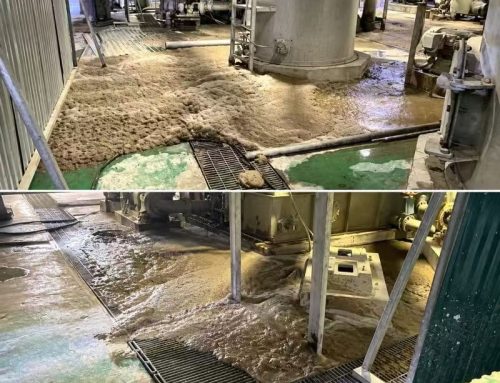
- Thermal Dynamics (30°C–38°C): Elevated temperatures accelerate CO₂ release during glycolysis, activating natural organic surfactants present in unrefined cane sugar molasses, which thickens the bubble lamellae wall.
- Viscosity Impact: Heat-driven release of high-molecular proteins and caramelization colloids generates a thick, gummy foam matrix that resists standard silicone oils or generic polyether compounds.
- Acidity Resilience: At a standard operating pH of 4.5–6.0, common chemical emulsions tend to break or separate; therefore, an organosilicone polymer or modified siloxane defoamer with high chemical persistence is needed to maintain a stable antifoaming system.
3. Antifoam Chemical Selection and Functional Interchangeability Parameters (INVINO® Series)
Depending on the facility configuration and existing dosing habits, we supply three target chemical models that provide high functional overlap for custom batch optimization:
| Model | Global Market Application Logic | Addition Method & Dispersibility |
|---|---|---|
| INVINO-7030D | Our most widely adopted polyether-modified silicone model globally. Demonstrates chemical versatility and emulsion stability in high-viscosity sugar beet and sugarcane molasses across Africa and Pakistan. | Supports Pre-dilution. Recommended 1:3 water ratio to optimize initial dispersion in thick molasses. |
| INVINO-3000 | High-efficiency concentrated formula. Excels during intense gas evolution phases, rapidly reducing surface tension to suppress explosive foam surges in deep tank reactors. | Direct Addition Only. No aqueous dilution required to maintain the chemical integrity of high-concentration active components. |
| INVINO-103B | Engineered for downstream distillation column protection. Focuses on preventing distillation column fouling and heat exchanger scaling while maintaining defoaming power under high temperatures. | Direct Addition Only. Ensures active antifoam ingredients reach the air-liquid interface via the fastest path without breaking emulsion. |
4. Field Operational Guidelines (10 – 100 ppm Industrial Practice)
Based on technical chemical engineering data from large-scale industrial ethanol fermentation plants processing agricultural biomass, we enforce three core operational boundaries:
- Dosage Precision: A concentration metric of 10 – 100 ppm (calculated based on total fermentation broth volume) is the verified laboratory range for stable foam prevention without over-dosing.
- Dosing Strategy: For automated systems requiring broad surface coverage, INVINO-7030D can be pre-diluted. For rapid-response needs during peak CO₂ generation, INVINO-3000 and INVINO-103B must be metered directly into foam-prone areas via automated pumps without water thinning.
- Yeast Safety & Biocompatibility: Our chemical configurations prioritize biocompatibility with Saccharomyces cerevisiae. Unlike raw silicone oils that can coat yeast cell membranes and hinder nutrient respiration, INVINO polyether-modified siloxanes support unhindered microbial metabolism, normal yeast growth boundaries, and target alcohol yield parameters.
Frequently Asked Questions
Q: Can these INVINO defoamers be diluted before industrial use?
A: Only INVINO-7030D supports aqueous pre-dilution (typically at a 1:3 ratio with process water). Both INVINO-3000 and INVINO-103B must be added directly into the bioreactor system to maintain absolute emulsion stability and prevent phase separation.
Q: Will the defoamer formulation affect the downstream distillation process?
A: No. INVINO-103B is synthesized with thermal-resistant compound blocks to prevent distillation column fouling, scaling, and sieve tray carryover while maintaining continuous bubble-bursting power.
Q: What is the ideal chemical dosage for sugarcane molasses fermentation?
A: We verify a parameter-matched concentration of 10 – 100 ppm based on the total active fermentation broth volume. This maintains continuous surface tension reduction under standard operating temperatures between 30°C and 38°C.
Need Custom Parameters or Batch Validation?
Connect directly with our senior formulation engineers for evaluation samples matching your operating temperature and pH boundaries.