Evaluating Wastewater Foam Control: 4 Operating Cost Leaks Caused by Suboptimal Antifoams
Direct Answer
Evaluate wastewater-treatment defoamer efficiency by total operating cost, not purchase price alone. Measure dose per treated volume, foam knockdown, persistence, re-dosing frequency, sludge or membrane effects, oxygen-transfer impact and downstream compliance. A controlled side-by-side trial at representative load, pH and temperature identifies the product that achieves stable foam control at the lowest acceptable overall cost.
Last updated: August 13, 2026
When surface foam accumulates across a wastewater treatment system, the standard operational reflex on the plant floor is immediate: add more defoamer. The chemical goes in, the surface foam subsides temporarily, and operators assume the issue is resolved.
However, this short-sighted approach is an expensive operational error. Foam that appears controlled on the surface often conceals severe chemical and mechanical mismatches that drain plant profits from angles invisible to standard asset accounting. Managing foam without understanding fluid dynamics and formulation variables converts a simple process indicator into a chronic operational cost center. To protect industrial treatment budgets, engineering teams must isolate the four hidden cost black holes caused by suboptimal foam management.
The 4 Hidden Draining Black Holes in Water Treatment
1. Wasted Procurement Budgets (Chemical Runoff Loss)
Blindly increasing additive volumes without optimizing the injection location is a major waste of chemical resources. When an antifoam emulsion is introduced into an area with poor hydraulics or away from the active foaming zones, a significant percentage of the active hydrophobic material is carried away by the main fluid stream before it ever contacts or destabilizes the bubble interfaces.
Plants frequently spend 100% of their chemical budget to achieve less than 50% of the active performance potential, severely ballooning procurement overheads.
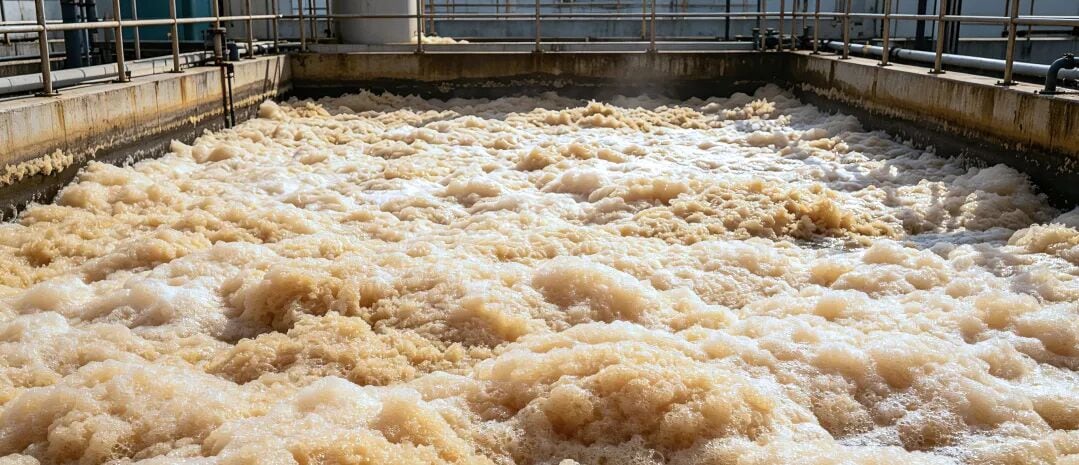
2. Creeping Energy and Aeration Costs: Thick layers of stable foam acting as a physical blanket over an aeration basin isolate the liquid matrix from atmospheric air. This barrier severely increases the gas-liquid interfacial mass transfer resistance, causing the volumetric oxygen mass transfer coefficient ($K_L a$) to drop significantly. To maintain target dissolved oxygen (DO) levels required for microbial survival, blowers must run at higher outputs. This constant mechanical strain drives up electricity consumption, creating a continuous drain on utility budgets.
3. Accelerated Mechanical Equipment Wear: Industrial process foam is not just trapped air; it entrains suspended solids, active biological sludge, and aggressive chemical sub-fractions. As this foam mixture migrates and overflows, it deposits sticky residues onto mechanical agitators, liquid level sensors, and aeration diffusers. Over time, this leads to instrument calibration drift, clogged diffuser membranes, reduced heat exchange performance, and premature motor burnout due to unbalanced mechanical loads.
4. Outfall Compliance and Penalty Risks: When unstable foam films collapse abruptly, they can release high concentrations of entrained organic pollutants and suspended matter into the secondary clarifiers or effluent streams. Furthermore, selecting an improper defoamer chemistry can introduce residual components that chemically interfere with Chemical Oxygen Demand (COD) laboratory testing metrics, causing inaccurate data reporting, compliance risks, and potential regulatory fines.
Troubleshooting the 4 Common Flaws in Antifoam Operations
Operational Habits and Hydraulic Mismatches
Issue 1: Why does a sudden shock dose fail to sustain foam suppression? Attempting to suppress a major foam event by dumping a massive shock dose of concentrate into a basin creates severe localized over-concentration. Instead of improving performance, this practice wastes material. It can shock localized microbial populations and alter the hydrophilic-lipophilic balance (HLB) of the continuous phase, accelerating foam regeneration once the initial active material is exhausted.
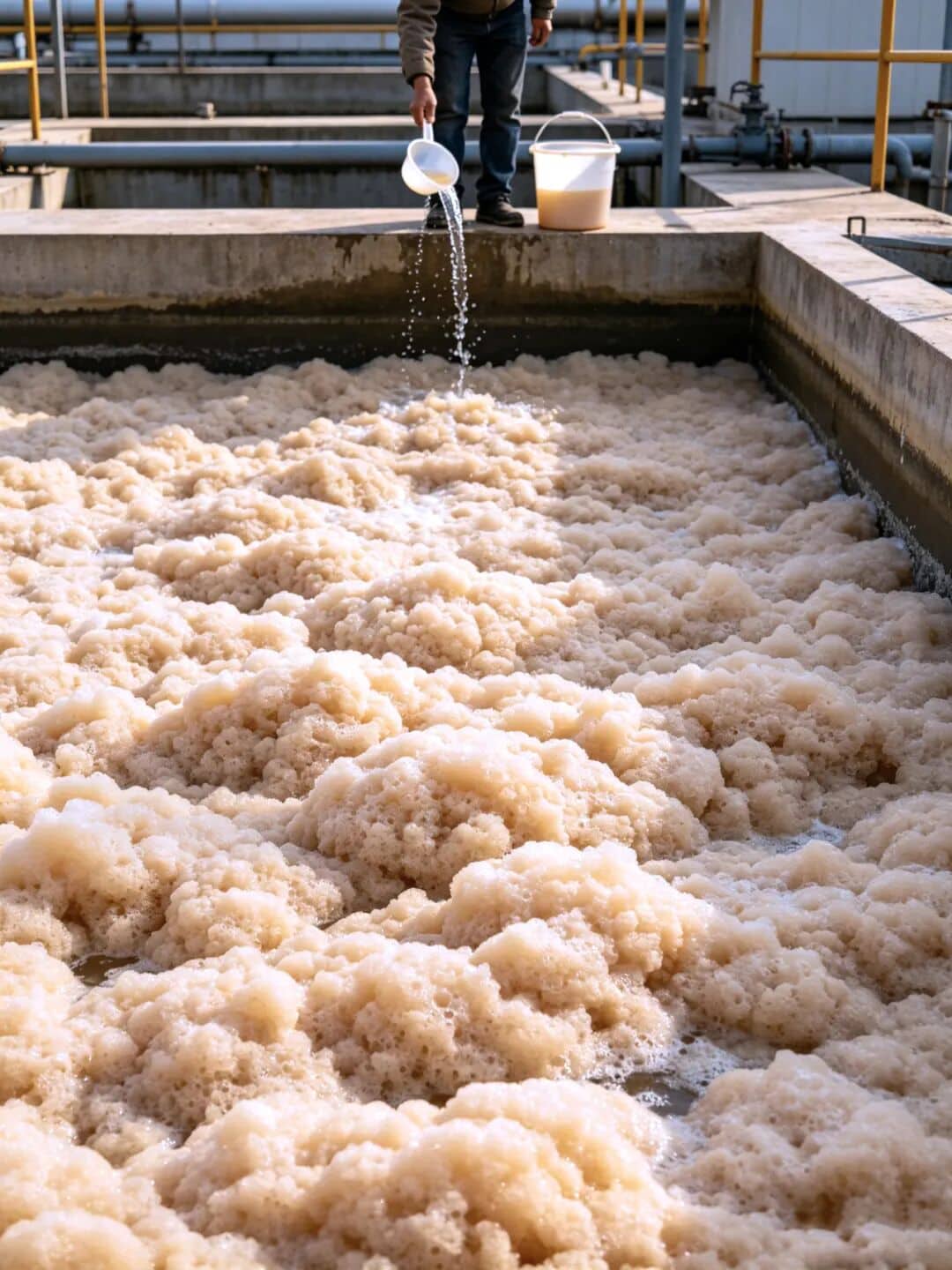
Issue 2: Why does defoamer separate or float passively on the basin surface? Letting an antifoam drip into a calm or stagnant zone of a basin prevents proper emulsification. Without sufficient localized shear and turbulence to disperse the hydrophobic active matter, the chemical either floats passively on the surface as an inert oil-out layer or drops directly to the lower sludge layer, bypassing the air-liquid interface entirely.
Thermodynamic Shifts and Biological Balances
Issue 3: Why does a previously effective defoamer formula suddenly fail? Industrial influent parameters fluctuate constantly based on production cycles, surfactant loads, and pH variations. Relying on a single defoamer chemistry year-round ignores these thermodynamic shifts. When surfactant structures or temperatures change, a previously effective formula can quickly become either completely soluble or overly incompatible, rendering it useless.
Issue 4: Can process adjustments eliminate the need for excess chemical dosing? Foam is frequently an indicator of an underlying biological or mechanical imbalance, such as high filament counts, young sludge age, or excessive aeration rates. Treating chemicals as a universal fix while refusing to recalibrate active sludge return loops, nutrient balances, or blower outputs increases operating costs without fixing the root cause.
The Protocol for High-Efficiency Foam Suppression
To transition from trial-and-error additive dumping to an economical, stable foam mitigation program, water treatment operations should implement a three-step optimization strategy aligned with optimized wastewater treatment antifoam protocols:
Precision Pairing Optimization
Match the defoamer base to the specific characteristics of your wastewater. High-surfactant industrial streams typically require modified polyether formulations to sustain cloud-point changes, whereas biological municipal sludge systems respond better to specialized organo-silicone emulsions that respect microbial activity parameters.
Engineered Automated Dosing Configuration
Implement continuous automated metering pumps located directly at points of maximum turbulence—such as pump suction inlets or directly adjacent to high-shear influent entry points—to ensure rapid, uniform particle size distribution across the active fluid matrix.
Process-First Operational Calibration
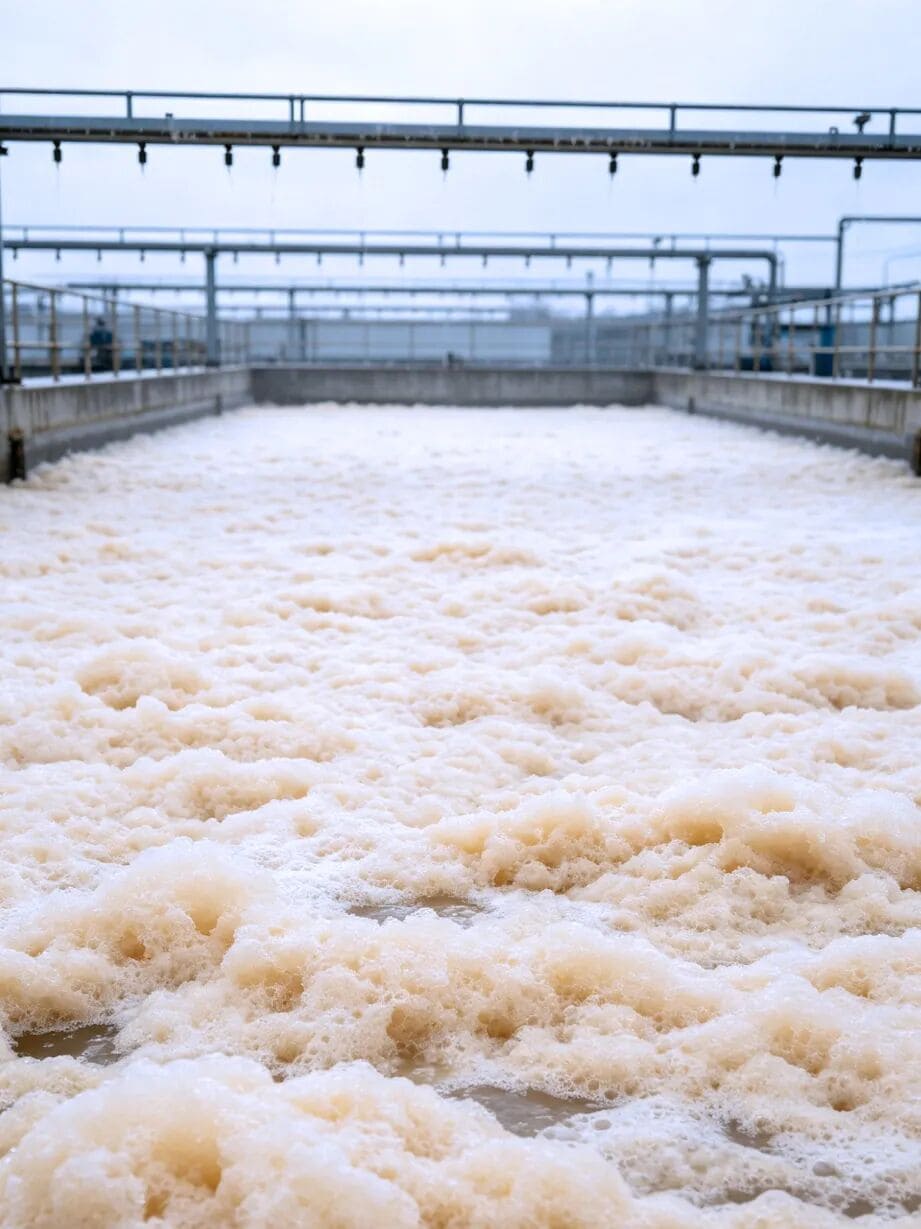
Before accelerating chemical injection rates during a foam crisis, check operating variables first. Minor adjustments to sludge age, nutrient feeding ratios, or a temporary deployment of physical water sprays can significantly lower required chemical consumption rates.
Technical Benchmarks for Modern Wastewater Defoamers
An optimized chemical solution for modern water clarification must deliver on three distinct technical requirements:
Velocity: Immediate rupture of surface bubble walls upon contact to clear visual overflows. Persistence: Sustained interfacial activity to prevent microbubble stabilization for extended runtimes (exceeding 40 minutes per localized cycle) without constant manual top-ups. System Neutrality: Zero oil-out separation, zero membrane fouling risks, and zero inhibitory toxicity toward nitrifying bacteria.
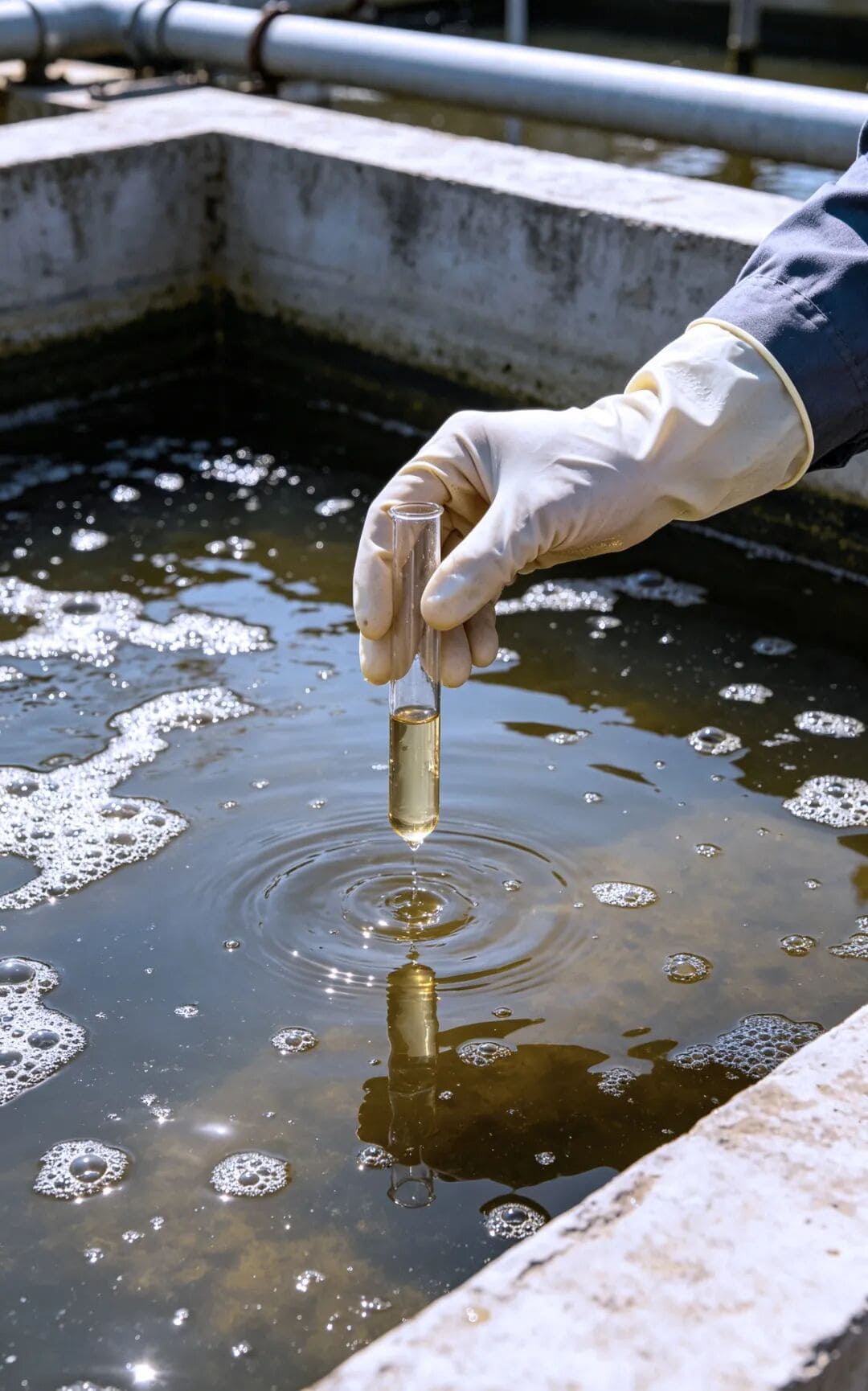
At INVINO, our application groups evaluate the underlying chemistry of complex industrial wastewater matrices rather than supplying generic commodities. We focus on identifying correct chemical compatibility and optimal dosing locations to eliminate hidden operational expenses across your water treatment infrastructure.
Request Professional Custom Wastewater Diagnostics
If your fluid treatment system is currently battling uncontrollable surface overflows and generic catalog chemicals have failed to stabilize your effluent parameters, a deeper analysis of your matrix parameters is required.
We provide data-driven technical diagnostics—encompassing comprehensive system analysis, dynamic shear testing, and customized compatibility evaluations—to map the precise molecular structure and dosing protocol required for your specific plant infrastructure. Visit our dedicated INVINO Technical Desk to submit your baseline runtime metrics, or complete the engineering contact gateway below to coordinate an immediate laboratory validation profile.