Water-Based Color Paste Defoamer: Why It’s the Ultimate Solution for Foam-Free Pigment Production
Direct Answer
Choose a water-based color-paste defoamer for both high-shear pigment grinding and final let-down, not from a simple water test. It must release entrained air while preserving pigment wetting, dispersion, color strength, viscosity and compatibility with the binder system. Test candidates with the actual pigment, dispersant, pH and shear profile; compare foam and density recovery alongside fineness of grind, tint strength, rub-out, viscosity, storage stability and film defects such as craters or pinholes. Use the lowest dose that passes both processing and application checks.
Last updated: August 2026

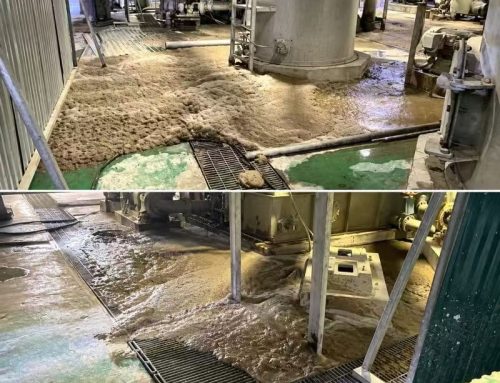
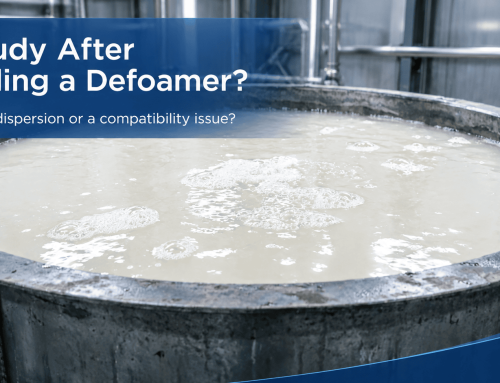
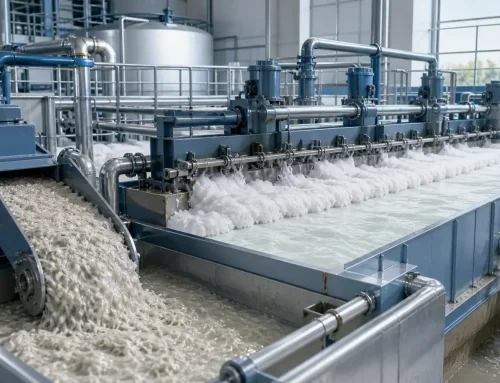
Foam formation is a persistent challenge in the production and application of water-based color pastes and pigment dispersions. From grinding and mixing stages to final coatings application, entrapped air or stabilized bubbles can severely impact color strength, consistency, gloss, and surface finish, leading to costly defects. Effectively utilizing a high-performance water-based color paste defoamer is essential for achieving optimal quality and production efficiency. In this guide, INVINO explores why foam control is critical in pigment production and how the right water based defoamer works as the ultimate solution.
The Problem: Why Foam Disrupts Color Paste Production
Ignoring foam issues during water based production of color pastes leads to significant problems:
- Reduced Dispersion Efficiency: Foam hinders the wetting and dispersion of pigment particles during grinding and mixing, leading to larger particle sizes and lower color strength.
- Quality Degradation in Final Product: Entrapped air causes surface defects like pinholes, craters, and fisheyes in applied paints, coatings, or inks. It also affects gloss, leveling, and film integrity. (defoamer for coatings is crucial here).
- Processing Inefficiencies: Foam leads to inaccurate volume measurements, difficult container filling, slower mixing times, and potential pump cavitation.
Mechanism: How Water-Based Color Paste Defoamers Work
A specialized water-based defoaming agent combats foam at its source through several mechanisms:
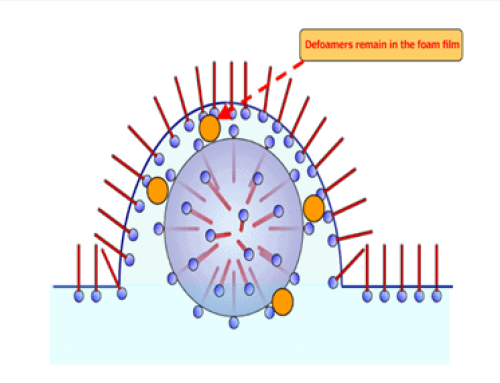
- Surface Tension Reduction: Defoamers contain hydrophobic particles or liquids that migrate to the air-liquid interface, reducing the surface tension that stabilizes foam bubbles.
- Fast Bubble Rupture: The defoamer spreads rapidly across the bubble film (lamella), creating weak points and causing the bubbles to coalesce and burst quickly.
- Long-Term Stability & Persistence: Effective antifoams not only break existing foam but also prevent new foam from forming (antifoaming) throughout the production, storage, and application phases, remaining stable across typical pH ranges and temperatures.
Key Benefits of Using High-Performance Defoamers
Integrating a quality water-based color paste defoamer translates to tangible operational advantages:
- Cost Savings: Reduces product rejects/rework, minimizes pigment/binder waste due to overflow or poor dispersion, and potentially lowers equipment maintenance costs.
- Enhanced Productivity: Faster dispersion times, smoother filling processes, and fewer production hold-ups due to foam issues lead to increased throughput.
- Superior Product Quality: Ensures optimal pigment dispersion for full color strength, eliminates surface defects, improves coating adhesion and drying efficiency, and delivers a consistent, high-quality final product.
Types of Defoamers for Water Based Paint & Colorants
- Mineral Oil Defoamers: Cost-effective, traditional choice, good initial knockdown but may impact gloss in some systems. (oil-based defoaming agent)
- Silicone Defoamers: Often highly efficient at low dosages (silicone defoamer market relevance). Require careful selection for compatibility to avoid defects like craters, especially in recoatable systems. Modified silicones offer improved compatibility.
- Non-Silicone Polymeric Defoamers: Including polyether types (polyether defoamers market relevance) or specialty polymers. Often offer excellent compatibility, good persistence, and minimal impact on surface properties. Sometimes considered more environmentally acceptable defoamer options.
- Molecular Defoamers: Newer technology (molecular defoamer), often surfactant-like molecules with built-in defoaming capabilities, providing excellent compatibility and long-term stability with minimal side effects.
How to Choose the Right Water-Based Color Paste Defoamer?
Selecting the optimal water based defoamer requires careful evaluation:
- Assess Compatibility: This is paramount. Test the defoamer with your specific pigment, binder, dispersant, and other additives for waterborne coatings. Poor compatibility can cause haze, craters, reduced color strength, or even separation. (defoamer surfactant interactions are key).
- Evaluate Performance Metrics: Test for both rapid foam knockdown (defoaming performance) and long-term foam suppression (antifoaming persistence) under relevant conditions (e.g., high shear during grinding, let-down stage, storage).
Consider Environmental & Regulatory Factors: Check compliance with regulations (e.g., food contact if applicable, VOC limits, ecolabel requirements).
Common Mistakes to Avoid:
- Wrong Defoamer Type: Choosing based on price alone without checking compatibility.
- Incorrect Dosage: Overdosing rarely improves performance and can cause defects; underdosing is ineffective. Always determine optimal dosage via testing.
- Improper Addition: Adding defoamers during high-shear grinding can sometimes reduce their efficiency; optimal addition points vary. Follow manufacturer guidelines (e.g., supplied by INVINO).
Elevate Your Color Paste with INVINO Defoamer Solutions
Foam doesn’t have to compromise your production. By understanding the science behind effective water-based color paste defoamers and partnering with experts like INVINO, you can achieve faster, cleaner, and more efficient pigment processing and superior final product quality. We offer a range of water based defoamers, including silicone and non silicone antifoam options, backed by technical support to help you select the perfect fit. We understand the defoamer additive market and provide solutions reflecting current market needs in China and globally.
Choosing and correctly using a high-performance defoamer for color pastes is essential for achieving defect-free coatings, optimal color development, and efficient production. By considering compatibility, performance, and specific application needs, manufacturers can overcome foam challenges effectively.