Defoamer in PVC Production: Foam Control in Suspension Polymerization
In the production of high-molecular polymers such as PVC, defoamers are essential. But at which stage are they used, and how? Drawing on the INVINO technical team's experience, this guide explains where defoamers are added across the PVC process and how to use them correctly.
Request a Free Sample
Application of Defoamer in PVC Production
Due to the particularity of PVC production, defoamer is generally added at the following four process steps: dispersion preparation, the polymerization reaction, VCM stripping, and PVC paste resin production.
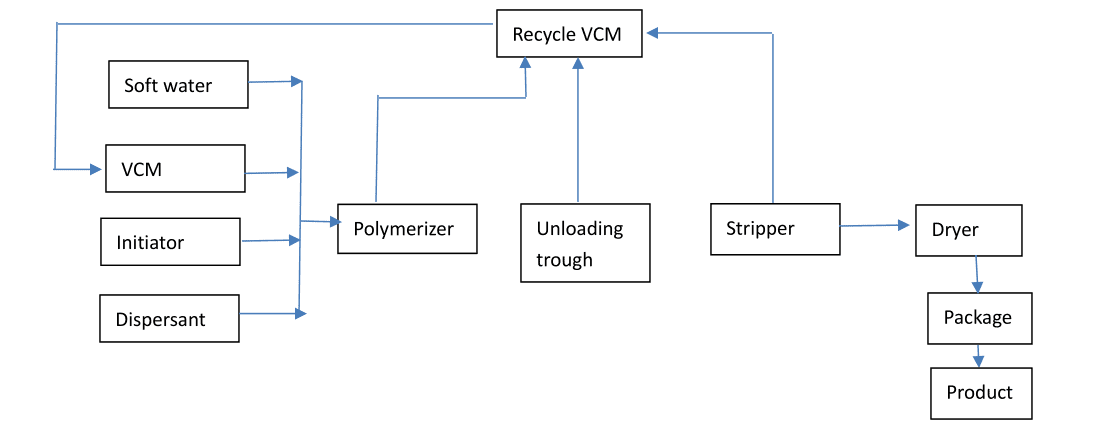
1. Defoamer in Dispersion Preparation
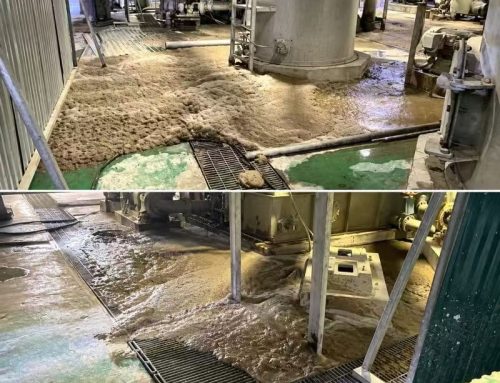
HPMC and PVA must be prepared when used as suspending agents. Stirring during preparation makes the solution foam; foam overflow loses dispersant and hides the liquid level — so a defoamer is needed to control foam.
2. Defoamer in the Polymerization Process
"Wet bubbles": HPMC and PVA dispersants have surface tension, so foam forms as stirring progresses. These "wet bubbles" form above the liquid level during VCM gas-phase polymerization, causing the inner kettle wall above the liquid to stick; adherents fall back in and increase black-and-yellow spots, harming resin quality.
"Dry bubbles": in a kettle with a reflux condenser, large amounts of VCM gas pass through the liquid to the condenser and return as liquid. This vapor-phase VCM volatilization produces foam — "dry bubbles" — during the intense reaction period.
Both wet and dry bubbles are eliminated with defoamer. Since the suspension reaction liquid is an unstable system, choosing a suitable defoamer strongly affects the whole reaction. How to add it: by continuous dripping about 2 hours after the reaction starts, properly diluted — high-concentration defoamer can damage the suspension system, cause coarse particles, and harm resin quality.
3. Defoamer in Stripper Operation
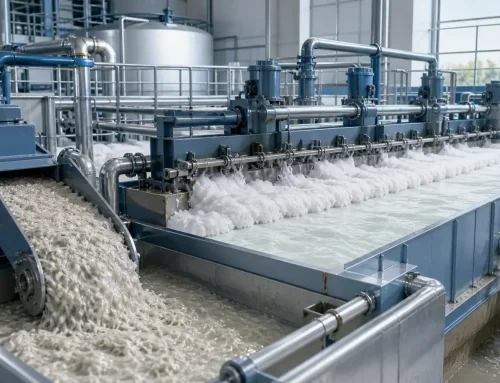
After the reaction, slurry VCM is removed by stripping. In the stripping tower, slurry flows top-to-bottom while steam heats it; foam forms on each tray, hindering VCM volatilization and raising the power needed. Foam left on the tower wall produces black-and-yellow particles. Dilute the defoamer and add it evenly — high-concentration defoamer can over-adsorb on PVC particles and hinder VCM recovery, so use continuous dripping of a diluted dose to speed recovery.
4. Defoamer in PVC Paste Resin Production
Besides ordinary powdered PVC resin made by suspension, there is also PVC paste resin — used mainly for synthetic leather and latex products — which likewise needs a defoamer during production.
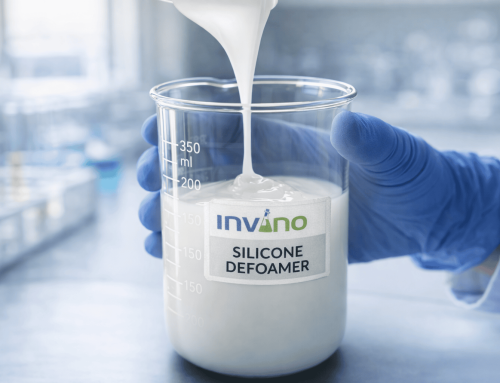
Recommended: INVINO-G202 — Silicone Emulsion Defoamer for PVC
A modified silicone emulsion defoamer for PVC suspension polymerization and paste resin. It controls both wet and dry bubbles across dispersion, polymerization, and stripping, dilutes and disperses easily for continuous dripping, and works at low dose without causing coarse particles — protecting resin quality and VCM recovery.
FAQ: Defoamer in PVC Production
Q: At which stages is defoamer used in PVC production?
A: Four stages — dispersion preparation (HPMC/PVA solutions), polymerization, VCM stripping, and PVC paste resin production.
Q: What are "wet bubbles" and "dry bubbles"?
A: Wet bubbles form above the liquid level from HPMC/PVA surface tension and cause wall sticking and black/yellow spots; dry bubbles form when VCM vapor passes to the reflux condenser. Both are eliminated with a defoamer.
Q: How should the defoamer be added during polymerization?
A: By continuous dripping about 2 hours after the reaction starts, properly diluted. High-concentration defoamer can damage the suspension system and cause coarse particles.
Q: Will the defoamer affect VCM recovery during stripping?
A: Dilute and add evenly. High-concentration defoamer can over-adsorb on PVC particles and hinder VCM recovery, so use continuous dripping of a diluted dose.
Q: Is a defoamer needed for PVC paste resin?
A: Yes. PVC paste resin for synthetic leather and latex products also needs a defoamer during production.