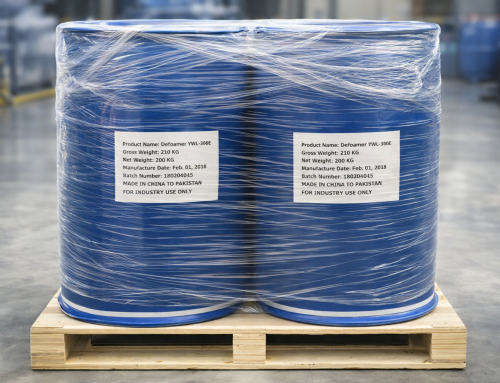
Why Do Emulsion Defoamers Experience Layering? Factors Beyond Formulation Stability
Emulsion antifoam agents are widely used to control foam across many applications. But in certain cases they exhibit layering — separating into distinct layers (phase separation). While formulation stability is a major factor, other factors such as storage conditions also drive layering. This guide explores those factors and how to keep an emulsion defoamer stable and non-layered for reliable foam control.
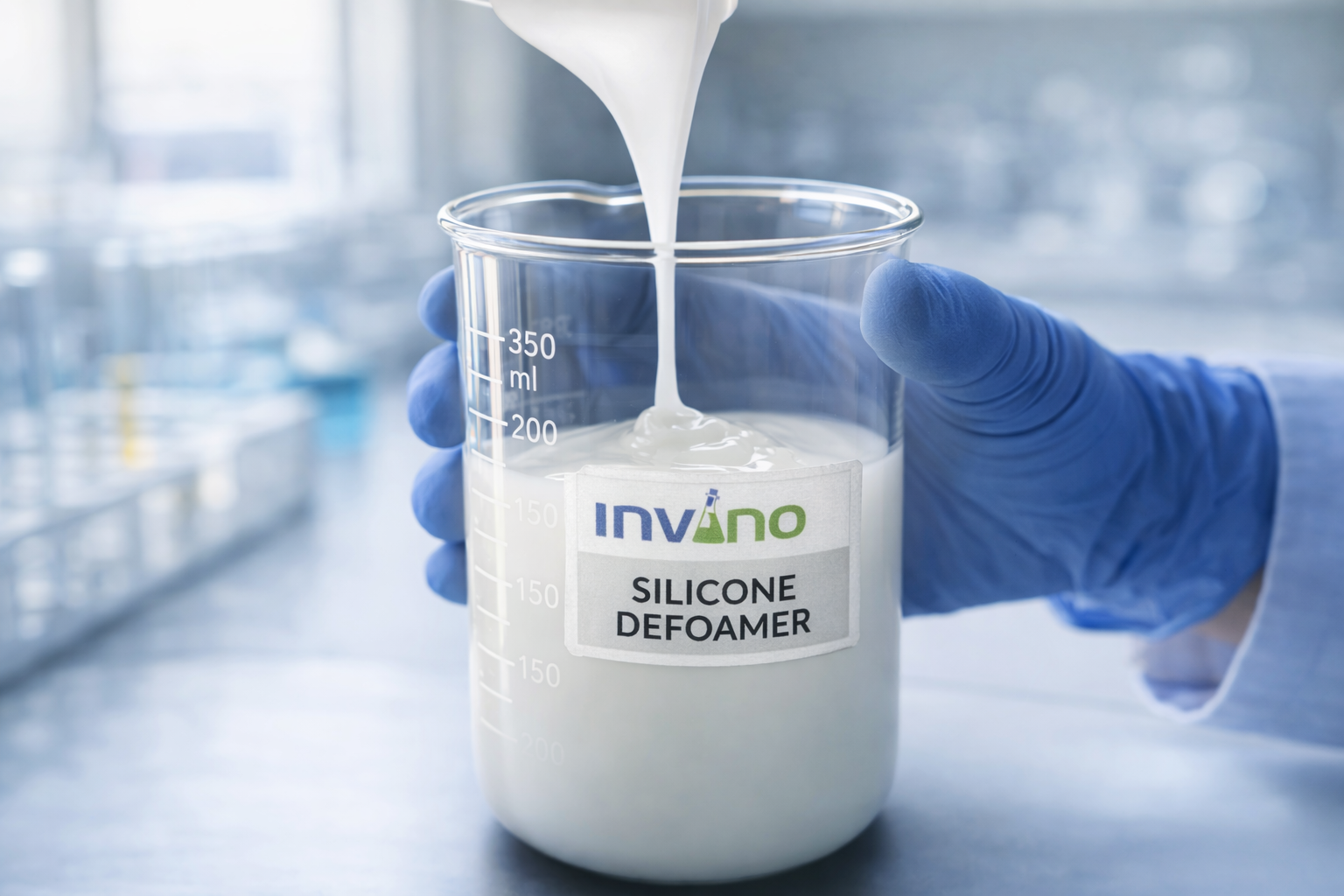
What Causes Layering in Emulsion Defoamers?
Formulation Stability & Layering
Formulation stability is a crucial factor. Incompatible ingredients or improper emulsification during manufacture can lead to phase separation and layering. The right balance of ingredients and effective emulsification methods are key to preventing it.
The Role of Storage Environment
Beyond formulation, storage matters. Temperature fluctuation, light exposure, and prolonged storage change the viscosity and density of the emulsion, causing it to stratify over time. Light exposure can also trigger photochemical reactions that alter composition and stability.
How to Prevent Layering in Emulsion Defoamers
To minimize layering, address both formulation and storage:
- Choose a stable formulation: compatible ingredients and effective emulsification give inherent resistance to phase separation.
- Control storage temperature: keep within the recommended range (typically ~0-40°C) and avoid large temperature swings.
- Limit light exposure: store away from direct light to prevent photochemical changes.
- Respect shelf life: use within the stated shelf life and reseal containers to prevent contamination.
- Gentle re-dispersion: for mild, reversible separation, stir gently before use as advised on the TDS.
Understanding the interplay between formulation, storage, and stability is key to optimizing emulsion antifoam performance — and to avoiding the downtime and inconsistent dosing that layering causes on the plant floor.
FAQ: Emulsion Defoamer Layering & Stability
Q: Why do emulsion defoamers separate into layers?
A: From both formulation factors (incompatible ingredients, poor emulsification) and storage factors (temperature fluctuation, light exposure, prolonged storage) that change viscosity and density over time.
Q: Does layering mean the defoamer is no longer usable?
A: Not always. Mild, reversible separation can often be re-dispersed by gentle stirring; severe or irreversible separation signals instability and reduced efficacy, so choose a more stable grade.
Q: How can I prevent emulsion defoamer layering?
A: Choose a stable, well-emulsified grade and store it at consistent temperature with minimal light, following the TDS storage and shelf-life guidance.
Q: What storage conditions keep emulsion defoamers stable?
A: Typically ~0-40°C, away from light and heat, sealed against contamination, and used within shelf life to maintain a stable, non-layered emulsion.
Q: Are INVINO emulsion defoamers formulated for storage stability?
A: Yes. INVINO emulsion defoamers use compatible ingredients and optimized emulsification for storage stability and layering resistance; each grade ships with a TDS specifying storage and shelf life.