Defoamer for Desulfurization: Essential Solution for Foaming in Absorption Towers
Direct Answer
In wet flue-gas desulfurization, a defoamer is needed when persistent slurry foam causes unstable level readings, overflow or carryover, higher mist-eliminator loading, or reduced absorber capacity. First investigate the foam source, including organics, process-water contaminants, suspended solids and operating changes. Then screen compatible defoamers in actual absorber slurry, start at a low dosage and increase only as needed while monitoring foam height, circulation stability, gypsum dewatering and downstream water quality.
Last updated: August 2026
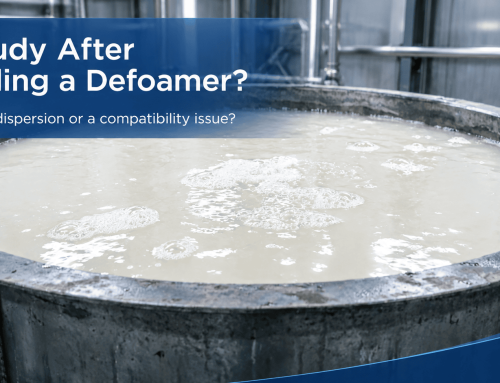
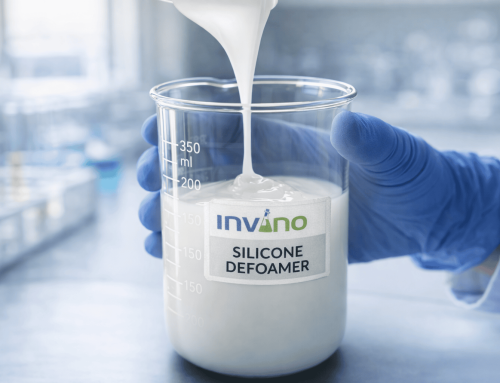
In modern Flue Gas Desulfurization (FGD) systems, particularly those utilized in the power industry, the formation of foam in absorption towers (fgd absorber) is a common operational challenge. This slurry foam, often generated during the gas-liquid contact needed for SO2 removal, can significantly impair process efficiency, reliability, and safety. Utilizing an effective desulphurization antifoam or defoamer is critical for maintaining optimal performance. As a leading supplier from China, INVINO offers specialized antifoam solutions designed to combat foaming in absorber columns and support efficient desulfurization.
Understanding Foam Challenges in Flue Gas Desulfurization Systems
Excessive foam within the desulfurization tower and associated equipment presents multiple challenges:
- Reduced SO2 Absorption Efficiency: Foam blankets the gas-liquid interface, hindering mass transfer and lowering the efficiency of SO2 removal from flue gas.
- Slurry Carry-over: Foam can lead to entrainment of the
flue gas desulfurization lime slurryinto downstream equipment, causing blockages, corrosion, and loss of valuable reagents.
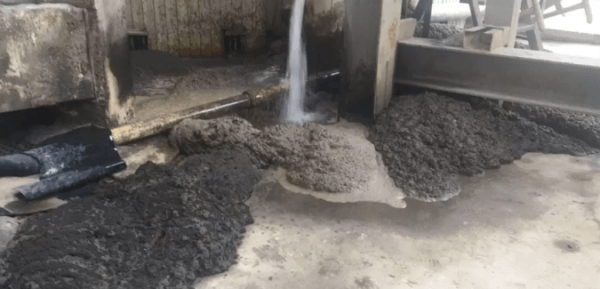
- Pump Cavitation & Equipment Damage: Entrained air and foam can damage pumps and affect the reliability of instrumentation within the
desulfurization tower slurrycirculation loop. - Process Instability: Inaccurate level readings due to foam interfere with process control and can lead to overflows or inefficient operation.
- Gypsum Quality Issues: Foam can negatively impact the gypsum filtration and dewatering process, affecting the quality of the byproduct.
Causes of Foaming in FGD Absorber Columns
Several factors contribute to foam generation and stabilization in FGD systems:
- Mechanical Disturbance: High gas flow rates and slurry agitation create significant turbulence.
- Gas Formation & Air Entrainment: CO2 release from limestone dissolution and mechanical air entrainment introduce gas bubbles.
- Presence of Surfactants/Contaminants: Impurities in flue gas, process water, or the limestone/lime reagent can act as surfactants, stabilizing the foam. The
slurryitself, containing fine solids, can also stabilize foam.
How Desulphurization Defoamers Provide Effective Foam Control
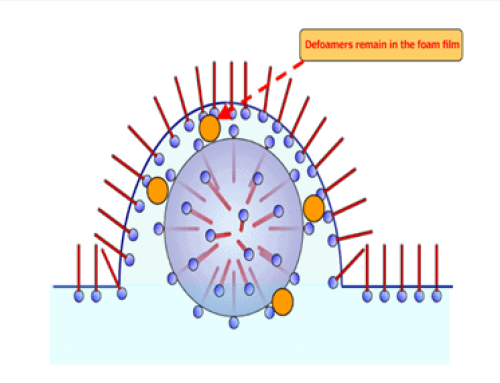
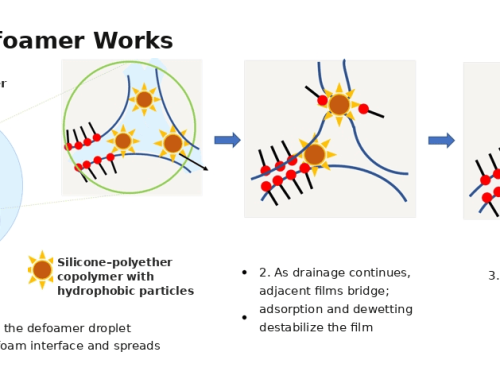
Specialized antifoaming chemicals work by disrupting foam stability at the gas-liquid interface:
- Mechanism: These
chemical antifoam agentstypically contain surface-active components that spread rapidly on the bubble surface, reducing surface tension locally or creating weak points, causing the bubbles to rupture. - Result: Quick foam knockdown and ongoing suppression (
antifoamingeffect) allow thedesulfurization processto operate smoothly and efficiently.
Key Selection Criteria for Slurry Defoamers in Desulfurization
Choosing the right desulphurization defoamer requires careful consideration of the harsh FGD environment:
- Slurry Compatibility & Stability: Must remain effective and stable within the abrasive, high-solids slurry environment, across typical operating pH ranges (often neutral to slightly alkaline for limestone-gypsum processes).
- Temperature Resistance: Needs to withstand process operating temperatures (high temperature antifoams may be needed depending on the specific point of addition).
- Efficiency & Persistence: Provide long-lasting foam control at low dosage rates.
- Non-Scaling/Low Impact: Should not contribute to scaling issues within the desulfurization tower or negatively affect gypsum quality or wastewater treatment. Non-silicone formulations are often preferred.
- Compatibility with Process Chemicals: Must work alongside other chemicals used in the flue gas desulfurization lime slurry.
INVINO: Your Expert Partner & Factory for Defoamer for Power Industry
As a leading defoamer for power industry company based in China, INVINO specializes in providing effective desulphurization antifoam solutions. We understand the challenges faced by power plants and other industries utilizing FGD systems.
- Specialized Products: We offer a range of robust slurry defoamers designed for the specific conditions of fluegas desulfurization, including options suitable for lime slurry.
- Manufacturing Capability: Our antifoaming agent factory ensures consistent quality and reliable supply. We can discuss wholesale defoamer for power industry needs and potentially customized desulphurization antifoam formulations.
- Technical Support: Our experts can help you select the optimal power industial defoamer and dosage for your specific FGD absorber system.
Maintaining effective foam control in desulfurization towers is crucial for optimizing SO2 removal, protecting equipment, and ensuring efficient operation, particularly in the demanding power industry. Selecting a high-performance, stable, and compatible desulphurization defoamer like those offered by INVINO is key to success. As your reliable China desulphurization antifoam partner, we provide both quality products and technical expertise.
Q&A: Optimizing Wet Flue Gas Desulfurization (FGD)
Q: What is the "False Liquid Level" caused by foam?
Q: Does foam reduce the Desulfurization Efficiency?
Q: Will the defoamer affect the quality of the Gypsum by-product?
Q: What causes the slurry to foam in the first place?
1. **Inorganic:** Fine particles from Fly Ash or Magnesium impurities in the limestone.
2. **Organic:** Unburned carbon (soot) from the boiler or leaked oil/preservatives. Our defoamers are designed to target both types of surfactants.