Project Description
Water-based Defoamers for Emulsion Polymerization — Foam Control for PVC, EVA, Acrylic & Styrene Systems
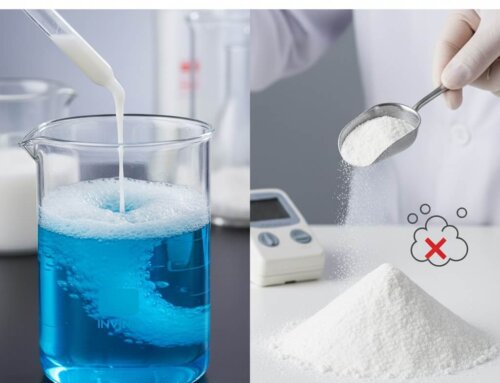
INVINO® provides high-performance water-based defoamers for emulsion polymerization, addressing foam challenges during PVC, EVA, acrylic, and styrene systems. These defoamers are designed to improve production efficiency, reduce waste, and enhance final product quality across various polymerization processes.
Emulsion Polymerization Foam Control Solutions
In emulsion polymerization, foam formation can significantly affect process stability, polymer dispersion, and product quality. Foam control is essential to ensure that the polymerization process runs smoothly and efficiently. INVINO® water-based defoamers are formulated to provide effective foam suppression and long-lasting foam control in PVC, EVA, acrylic, and styrene emulsions, ensuring optimal production conditions and superior quality products.

Applications of Water-based Defoamers in Emulsion Polymerization
Selecting the Right Defoamer for Emulsion Polymerization
When selecting a water-based defoamer for emulsion polymerization, it is important to consider several factors that influence foam control and product quality. These include the type of emulsion polymerization, the shear and temperature conditions during the process, and the compatibility with other chemicals used in the system.
-
Polymer Type: Different emulsions, such as PVC, EVA, acrylic, and styrene, require specific defoamers designed for their unique properties and polymerization conditions.
-
Shear and Temperature Conditions: High shear and temperature during polymerization require defoamers that can perform under such demanding conditions without affecting product quality.
-
pH and Chemical Compatibility: The selected defoamer should be compatible with the emulsifiers, stabilizers, and other chemicals used in the polymerization process.
-
Dosage Optimization: It is important to start with a lower dosage and optimize based on trial results to achieve effective foam control while minimizing chemical consumption.
Q: Will the defoamer cause "Fish Eyes" or craters in the final film?
Q: Does it interfere with the chemical reaction or catalyst?
Q: Do you have a specific solution for PVC resin production?
Q: Will it affect the filtration speed of the slurry?
Q: Are your products FDA compliant for food-packaging adhesives/coatings?
Q: Should it be added before or after the reaction?
Benefits of Water-based Defoamers for Emulsion Polymerization
-
Enhanced Production Efficiency: Reducing foam during emulsion polymerization allows for faster polymerization cycles, resulting in improved overall efficiency.
-
Improved Product Quality: By controlling foam, our defoamers ensure better polymer dispersion and consistency, leading to higher-quality final products.
-
Eco-friendly Solutions: INVINO® water-based defoamers are designed to meet environmental standards, offering foam control with minimal VOCs and ensuring sustainability.
-
Stable Foam Control: Our defoamers provide stable foam control, even under high shear, high temperature, and high viscosity conditions.