
Polyether Defoamer — EO/PO Block Copolymer Antifoam for Fermentation, Wastewater & Industrial Applications | INVINO®
Non-Ionic Block Copolymer Antifoaming Agent — Cloud Point Defoaming, Food-Grade & Halal Grades Available
INVINO® polyether defoamers are 100% active, silicone-free non-ionic antifoaming agents for continuous foam control in fermentation bioreactors (citric acid, yeast, antibiotics, amino acids), industrial wastewater aeration basins and MBR units, pulp washing and papermaking systems, and cementitious construction materials. Polyether ester variants also cover waterborne coatings and printing inks where silicone-free foam control is required.
Key performance characteristics: biologically inert — no toxicity to fermentation microorganisms; silicone-free — no oil drift, no film cratering; broad pH tolerance (4.0–9.0 depending on grade); and 100% active content — no water carrier, maximum defoaming efficiency per unit weight. Food-grade and Halal-certified grades (INVINO-103B) are available for food fermentation and regulated processing applications.
Request Sample & Technical Guidance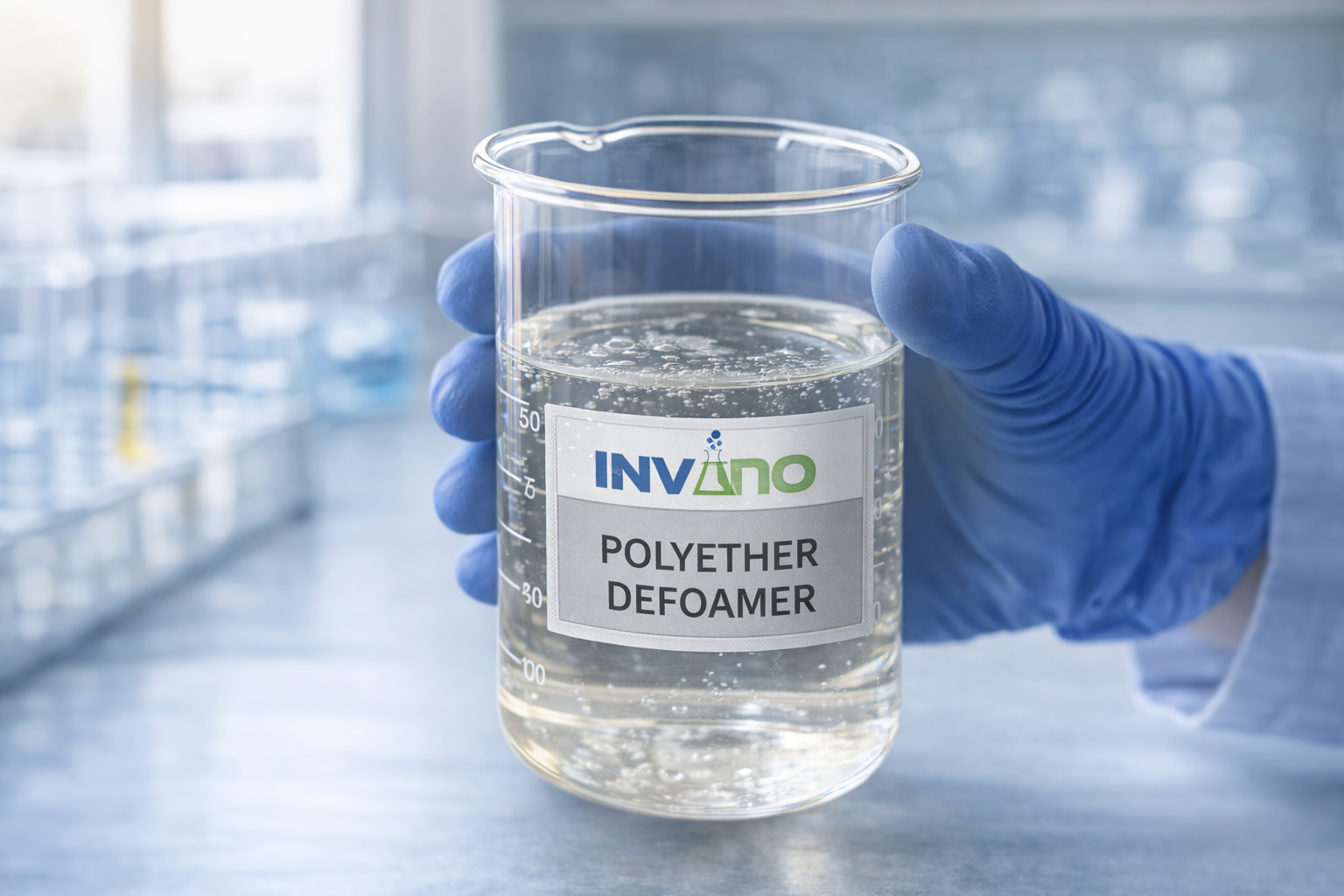
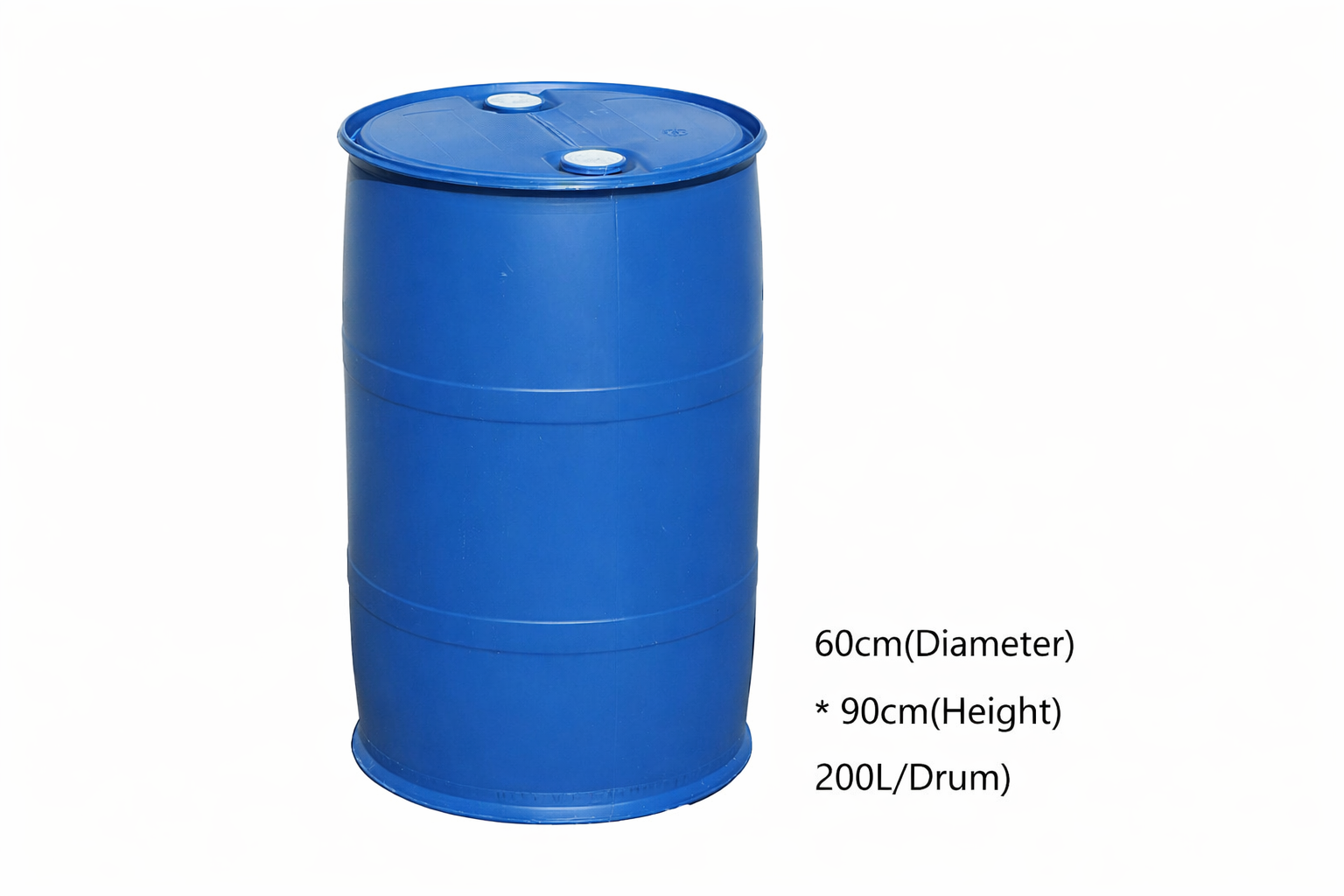
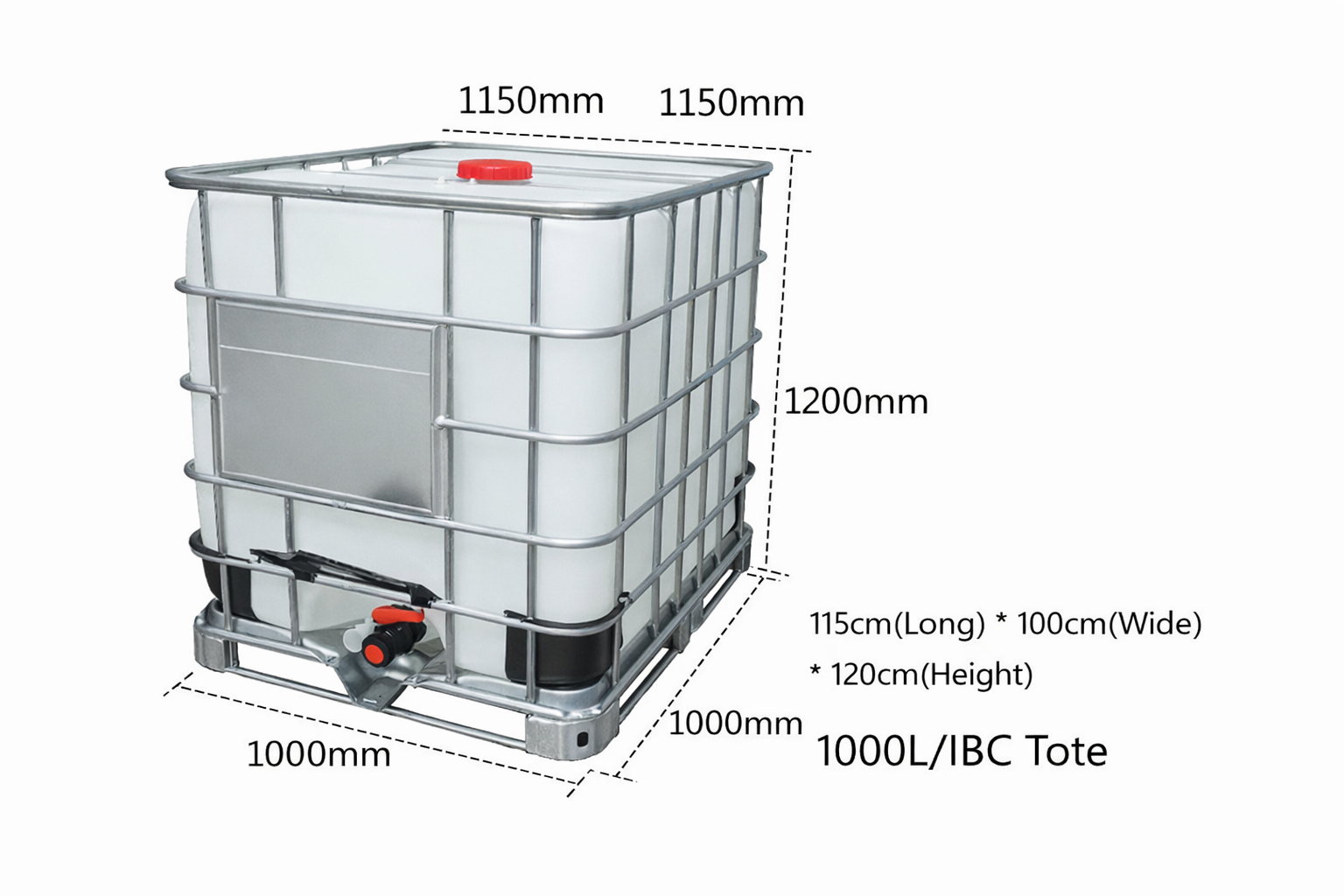
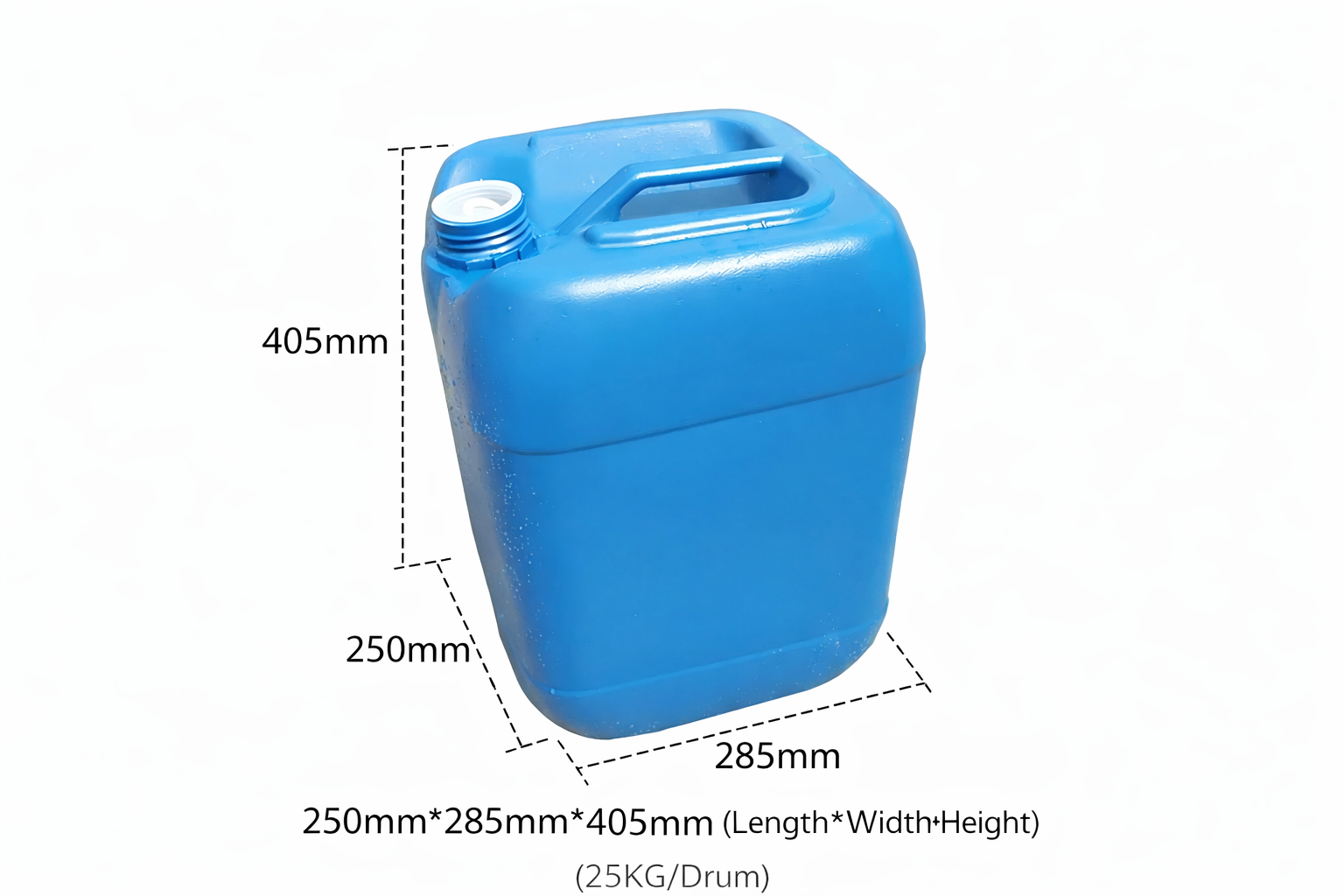
INVINO® Polyether Defoamer Product Grades & Specifications
Eight grades covering fermentation, wastewater treatment, papermaking, and construction applications. All grades are 100% active content — no water carrier. Select the grade matched to your process system and operating temperature range.
| Product Grade | Appearance | Active Content | pH | Viscosity (cps) | Key Applications |
|---|---|---|---|---|---|
| INVINO-103 | Light yellow transparent liquid | 100% | 4.0–9.0 | 300–600 | Fermentation: Citric acid, industrial yeast, active enzyme bioreactors, and molasses sugar processing. |
| INVINO-103B | Light yellow transparent liquid | 100% | 4.0–9.0 | 300–600 | Fermentation (Food-Grade & Halal): Citric acid, food-grade yeast, pharmaceutical enzyme fermentation, and regulated bioprocessing cells. |
| INVINO-8061 | Light yellow transparent liquid | 100% | 6.0–8.0 | 100–1000 | Papermaking mills, high-shear mud filtration systems, and construction material external grouting applications. |
| INVINO-8062 | Light yellow transparent liquid | 100% | 6.0–8.0 | 100–1000 | Papermaking mills, mud separation lines, and construction concrete aggregate systems. |
| INVINO-8081 | Yellowish liquid active blend | 100% | 5.0–9.0 | 100–1000 | Construction materials: Concrete admixtures, dry-mix cementing systems, and high-alkali cementitious grinds. |
| INVINO-8082 | Yellowish liquid active blend | 100% | 5.0–9.0 | 100–1000 | Construction materials: Concrete curing admixtures, self-leveling slurries, and architectural mortars. |
| INVINO-4000 | Yellowish liquid active blend | 100% | 5.0–9.0 | 100–1000 | Fermentation lines, landfill leachate treatment systems, and industrial wastewater biological treatment. |
| INVINO-4000B | Yellowish liquid active blend | 100% | 5.0–9.0 | 100–1000 | Fermentation lines, biological aeration basins, and high-load wastewater treatment systems. |
Key Application Areas for Polyether Defoamers
Polyether EO/PO block copolymers are the preferred silicone-free antifoam choice for aqueous systems requiring biological compatibility and broad pH tolerance.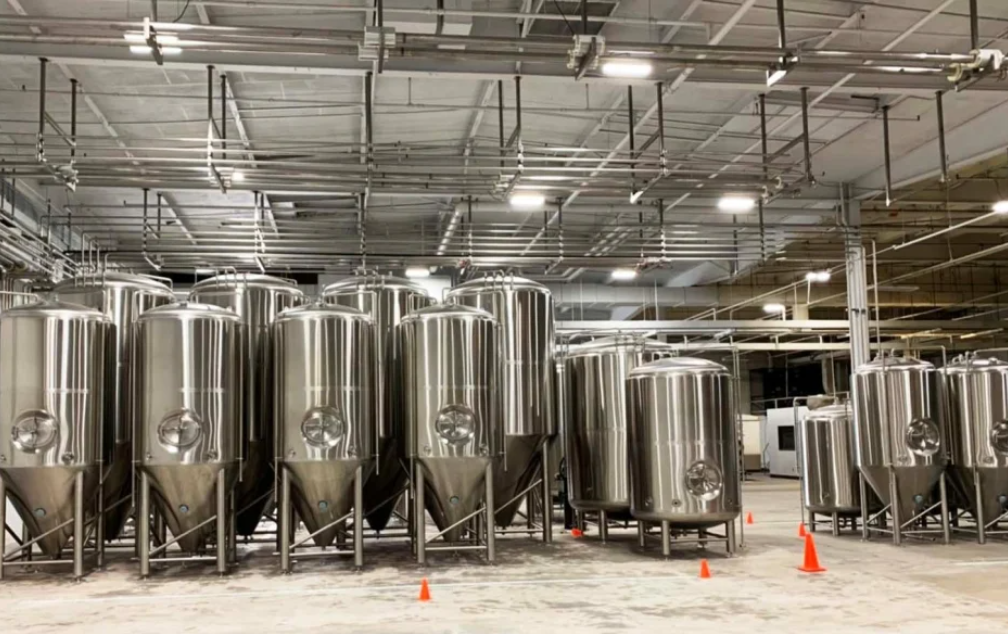
Fermentation & Sugar
Biologically inert EO/PO block copolymers for citric acid, yeast, antibiotic, amino acid, and molasses fermentation. No toxicity to microbial strains. Food-grade and Halal grades available.
Explore Fermentation Solutions →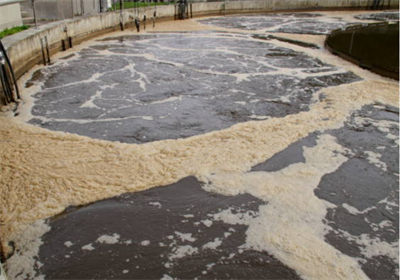
Wastewater Treatment
For biological aeration tanks, MBR units, landfill leachate filtration, and high-load industrial wastewater systems. Compatible with RO and UF membranes — no membrane-fouling residues.
Explore Wastewater Solutions →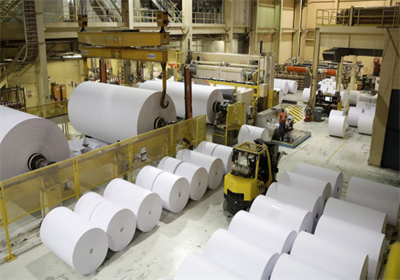
Pulp & Paper
For pulp washing systems, paper machine circuits, and high-shear mud filtration in kraft and recycled fiber mills where silicone-free foam control is required.
Explore Paper Solutions →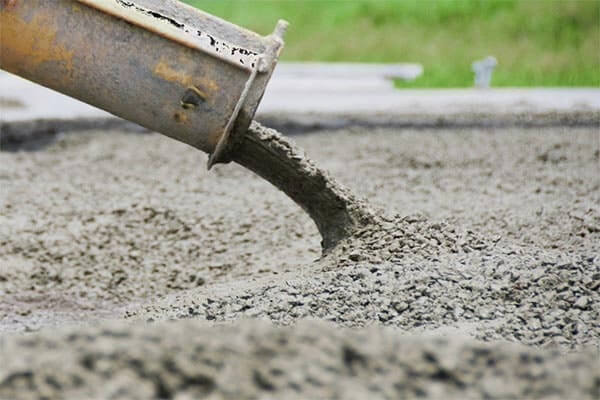
Construction Materials
For concrete admixtures, dry-mix mortar, self-leveling slurries, and high-alkali cementitious systems. Prevents entrapped air voids that reduce compressive strength.
Explore Construction Solutions →Frequently Asked Questions — Polyether Defoamer & EO/PO Block Copolymer Antifoam
Q. What is a polyether defoamer and how does it work?
A polyether defoamer is a non-ionic EO/PO (ethylene oxide / propylene oxide) block copolymer antifoaming agent. It works through inverse solubility: the polymer is water-soluble at low temperatures but becomes insoluble and spreads at the foam-liquid interface when the process temperature exceeds its cloud point. This cloud point mechanism delivers on-demand foam knockdown that activates automatically when the system heats up — making it ideal for fermentation, wastewater aeration, and other thermally driven processes.
Q. Are polyether defoamers safe for biological fermentation strains?
Yes. INVINO polyether block copolymers are biologically inert and do not affect microbial growth, enzyme activity, or product yield in fermentation systems. They are safe for citric acid, yeast, antibiotic, and amino acid fermentation. INVINO-103B holds food-grade and Halal certifications for regulated food and pharmaceutical fermentation applications.
Q. What is cloud point and why does it matter for selecting a polyether defoamer?
Cloud point is the temperature at which a polyether defoamer stops dissolving in water and starts defoaming. Below cloud point = dissolved, inactive. Above cloud point = precipitates, spreads on foam surface, collapses bubbles. Select a grade with a cloud point just below your process operating temperature to ensure maximum defoaming efficiency. Contact our engineers with your operating temperature and we will confirm the correct grade.
Q. Can polyether defoamers be used in membrane filtration (RO/UF) systems?
Yes. INVINO low-viscosity polyether grades dissolve cleanly in aqueous systems without leaving deposits that block RO or UF membranes. They are used in landfill leachate treatment, desalination pre-treatment, and industrial wastewater MBR systems. If you operate a membrane system, specify this when requesting samples so we can confirm the correct grade.
Q. What is the difference between polyether and polyether ester defoamers?
Polyether defoamers (EO/PO block copolymers) are optimized for aqueous industrial systems — fermentation, wastewater, papermaking, and concrete. They work via cloud point mechanism and are biologically inert. Polyether ester defoamers are chemically modified polyethers with ester linkages, providing improved compatibility with waterborne coatings, printing inks, and adhesive systems where silicone-free foam control is required without affecting film appearance or gloss.
Q. Is polyether defoamer suitable for clear coatings or printing inks?
Polyether ester variants are specifically formulated for waterborne coatings, clear coats, and printing inks — they provide foam control without causing surface cratering, pinholes, or edge shrinkage that can occur with silicone defoamers. Standard polyether grades (INVINO-103, 4000 series) are not recommended for coating film applications — contact our engineers to confirm which polyether ester variant is correct for your system.
Q. What is the shelf life and storage condition for INVINO polyether defoamers?
INVINO polyether defoamers maintain stable performance for 12 months when stored in original sealed containers at 5–35°C, away from direct sunlight and freezing conditions. Storage conditions, handling precautions, and disposal guidance are documented in the product SDS available for download at our technical documents page.
Request a Polyether Defoamer Sample or Technical Consultation
Submit your process system parameters below — our engineers will identify the correct grade and arrange a free evaluation sample (100–500g). Responses within 24 business hours.
Grade Selection
Match your application to the correct series: INVINO-103 / 103B for fermentation (103B for food-grade/Halal); INVINO-8061 / 8062 for papermaking and construction; INVINO-8081 / 8082 for concrete admixtures and dry-mix mortar; INVINO-4000 / 4000B for wastewater treatment and leachate systems.
Cloud Point Matching
Tell us your process operating temperature when requesting a sample. Our engineers will select a polyether grade with a cloud point just below your operating temperature to ensure the defoamer activates at the right moment. This is the most critical selection parameter for polyether defoamers.
Dosage Guidance
Start at 50–200 ppm (0.005%–0.02% by weight) for fermentation and wastewater applications. For construction admixtures, dosage is typically 0.01%–0.05% of the cementitious mass. Add gradually and monitor foam response — polyether defoamers are highly active and overdosing has minimal benefit over the correct dosage.