
Ammonium Glufosinate Antifoam: Foam Control for SL Herbicide Formulations
← Back to all Agrochemical Applications
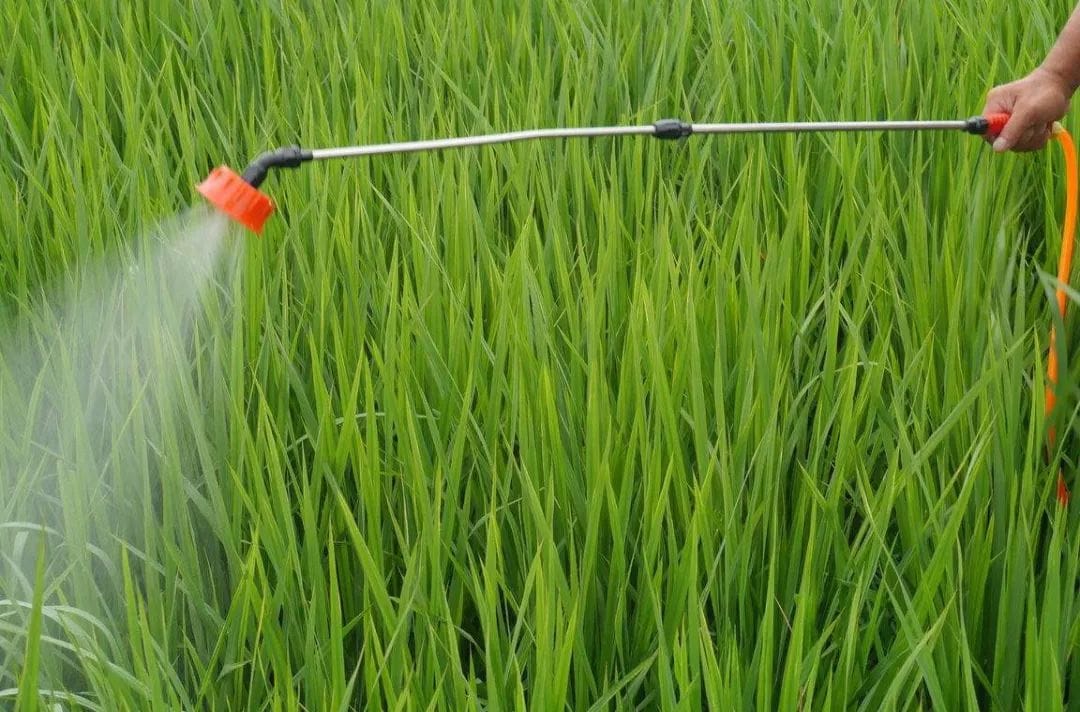
Ammonium glufosinate antifoams are chemical agents that control foam in agricultural and industrial applications, where foam causes overflow, reduces efficiency, and damages equipment. In glufosinate herbicide formulations, an effective antifoam ensures the herbicide is applied evenly and efficiently, improving crop coverage while minimizing waste.
A high-quality antifoam must provide excellent stability and persistence under diverse conditions — high concentration, varying temperatures, and varying pH — without separating or losing efficacy.
INVINO-2200: Specifications
| Property | Typical Value |
|---|---|
| Appearance | White to pale yellow emulsion |
| Ionic Character | Weakly anionic |
| pH (25°C) | 6.0 - 8.0 |
| Solid Content | 30 ± 1% |
| Viscosity (25°C) | ≥ 500 mPa·s |
| Dosage | 30 - 200 ppm |
Applications
- Ammonium glufosinate (SL formulations) and other agrochemical systems;
- Anionic and nonionic surfactant systems;
- Industrial wastewater treatment;
- Detergents, industrial cleaning, textile and fermentation processes.
Recommended: INVINO-2200 — Silicone Emulsion Antifoam for Glufosinate
- Rapid foam elimination with long-lasting suppression (antifoam persistence);
- Effective across a wide pH range (6-8), ideal for weakly-anionic glufosinate SL;
- Excellent dispersion in water, good compatibility with aqueous surfactant systems;
- Stable under high concentration and varying temperatures, resisting separation;
- Suitable for continuous foaming processes.
FAQ: Antifoam for Ammonium Glufosinate
Q: Which defoamer is best for ammonium glufosinate SL formulations?
A: INVINO-2200, a modified silicone emulsion, is weakly anionic, effective across pH 6-8, and compatible with the anionic/nonionic surfactant systems used in glufosinate SL.
Q: Will the antifoam affect herbicide efficacy or crop application?
A: No. Dosed at 30-200 ppm, it controls foam so the herbicide is applied evenly, without reducing glufosinate efficacy or application uniformity.
Q: Is it stable in high-concentration glufosinate at varying pH?
A: Yes. It provides excellent stability and persistence across pH 6-8 and varying temperatures — essential for high-concentration SL formulations.
Q: What is the recommended dosage?
A: Typically 30-200 ppm depending on foaming severity, temperature and agitation; add directly or diluted. Confirm by trial in your formulation.
Q: Besides glufosinate, what else can INVINO-2200 be used for?
A: Detergents, industrial cleaning, wastewater treatment, textile processing and fermentation — any aqueous surfactant system needing rapid, persistent foam control.